



முக்கிய விஷயங்கள்
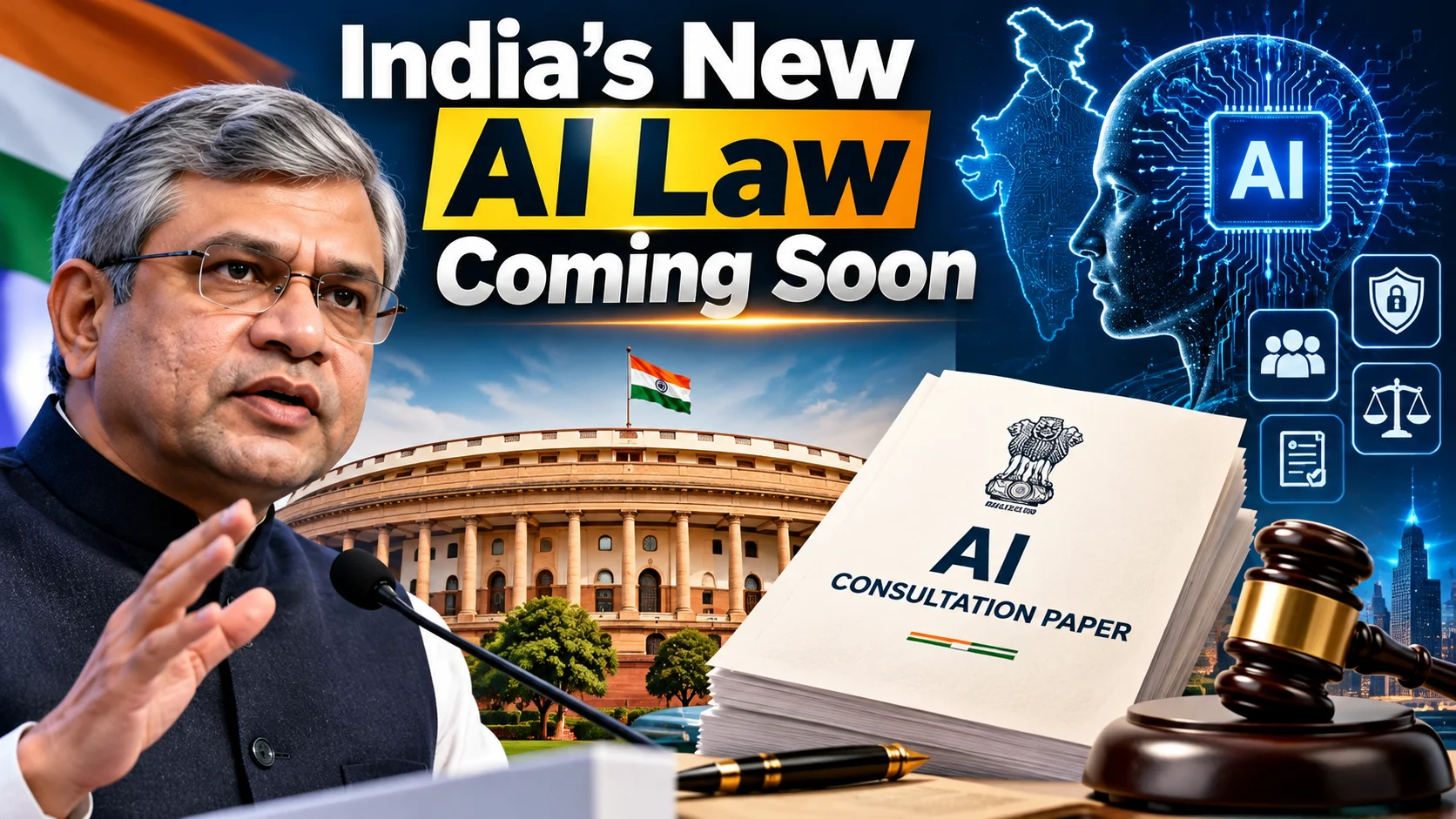
- COAI-ன் AI and Telecom நிகழ்ச்சியில் experts light-touch, progressive enabling AI regulation வேணும்னு push பண்ணினாங்க.
- Risk-based approach — high-risk AI-க்கு tight checks, low-risk tools-க்கு light pass.
- Accountability framework-ல humans in the loop இருக்கணும்; automated systems unchecked-ஆ ஓடக்கூடாது.
- Telcos மற்றும் DoT ஒரே திசையில் — EU-style heavy rulebooks copy பண்ணாமல் AI-ஐ networks-ல enable பண்ணணும்.
- Jio, Airtel, Vi மற்றும் startups customer care, fraud, spectrum planning-ல AI features வேகமா ship பண்ண முடியும்.
என்ன நடந்தது?
இந்தியாவின் telecom கூட்டம் AI-ஐ எப்படி govern பண்ணணும்னு ஒரு தெளிவான கோடு போட்டுச்சு. COAI நடத்திய AI and Telecom நிகழ்ச்சியில் industry voices மற்றும் DoT-aligned thinking ஒரே message கொடுத்தாங்க.
என்ன message? Light-touch, progressive enabling regulation கொடுங்க. அதுவும் risk-based-ஆ இருக்கட்டும். Accountability framework-ல humans in the loop இருக்கணும்.
இது வெறும் wishlist இல்ல. Telcos AI-ஐ networks, customer care, fraud detection, spectrum planning எல்லாத்துலயும் deploy பண்ண இடம் வேணும்னு சொல்றாங்க. ஒவ்வொரு model-ஐயும் nuclear reactor மாதிரி treat பண்ணி paperwork-ல மூழ்கடிக்காதீங்கன்னு அர்த்தம்.
DoT-உம் இதே திசையில் interest காட்டுறது முக்கியம். Licensing, spectrum, digital public infrastructure — UPI-scale systems ஓடும் stack — எல்லாத்துக்கும் DoT centre-ல இருக்கிறது. அதனால இந்த framing deliberate-ஆ இருக்கிறது.
Light-Touch, Risk-Based — இது என்ன?
எளிமையா சொன்னா நான்கு வார்த்தைகள். ஒவ்வொன்னையும் பாருங்க.
Light-touch அப்படின்னா blanket bans குறைவு, guidance அதிகம். எல்லா AI-க்கும் ஒரே கடுமையான license வேணாம்.
Progressive enabling அப்படின்னா rules capability-ஓட சேர்ந்து வளரணும். 2026 tech-ஐ freeze பண்ணி வைக்காதீங்க. Tech மாறும்போது rules-உம் update ஆகணும்.
Risk-based அப்படின்னா high-stakes AI-க்கு tight checks. Low-stakes tools-க்கு light pass. எல்லாத்தையும் ஒரே bucket-ல போடாதீங்க.
Humans in the loop அப்படின்னா safety valve. Model billing dispute-ல தப்பு பண்ணாலும், wrong tower-ஐ shutdown-க்கு flag பண்ணாலும் — ஒரு மனிதன் accountable-ஆ இருக்கணும்.
உதாரணமாக நினைங்க. உங்க JioFi password reset பண்ண voice bot — இது low risk. ஆயிரக்கணக்கான sites-ல radio parameters-ஐ auto-tune பண்ணும் AI, அல்லது UPI-linked recharge flows-ல fraud risk score போடும் system — இது high risk. High risk-ன்னா stronger logging, clear audit trails, irreversible action-க்கு முன்னாடி mandatory human review.
எப்படி வேலை செய்யும்?
Risk-based regulation உலகத்துல புதுசா இல்ல. ஆனா இந்தியா அதை தன் telecom reality-க்கு shape பண்ண முயற்சிக்கிறது.
AI systems-ஐ tiers-ல நினைங்க. Customer chatbot ஒரு tier. Core network routing control பண்ணும் AI வேற tier. Fraud systems tied to UPI இன்னொரு high tier.
Light-touch என்றால் rules இல்லன்னு அர்த்தம் இல்ல. அதாவது telco train பண்ணும் அல்லது buy பண்ணும் ஒவ்வொரு model-க்கும் one-size-fits-all licensing regime வேணாம்.
Progressive enabling என்றால் sandboxes, voluntary codes, iterative standards. Operators ship பண்ணட்டும், harm measure பண்ணட்டும், real damage தெரிஞ்ச இடத்துல controls tighten பண்ணட்டும் — consultant கற்பனை பண்ணும் இடத்துல இல்ல.
Humans in the loop — operators உண்மையிலேயே care பண்ற practical விஷயம் இதுதான். Fully autonomous network healing cool-ஆ தெரியும். ஆனா festival நேரத்துல ஒரு bad model ஒரு city cluster-ஐ down பண்ணிட்டா? அப்போ யார் பொறுப்பு? High-impact decisions-ல human accountable-ஆ இருக்கணும்னு ask தெளிவா இருக்கு.
இந்தியாவுக்கு என்ன?
இந்தியாவுல Jio, Airtel, Vi ஏற்கனவே AI-ஐ customer care bots, network optimisation, spam/fraud filters-ல use பண்ணிட்டு இருக்காங்க. Startups-உம் telecom stack மேல AI apps கட்டுறாங்க.
Heavy EU-style rulebook copy பண்ணினா என்ன ஆகும்? Small teams paperwork-ல சிக்கி features ship பண்ண முடியாது. Light-touch + risk tiers இருந்தா low-risk features வேகமா வரும். High-risk systems-க்கு மட்டும் audit, logging, human sign-off கண்டிப்பா இருக்கும்.
UPI angle முக்கியம். Recharge, bill pay, wallet top-up எல்லாம் UPI-linked. Fraud AI இங்க wrong call எடுத்தா user-க்கு நேரடி பண இழப்பு. அதனால இந்த category-ல tighter checks logical-ஆ இருக்கும். அதே சமயம் password reset bot-ஐ அதே level-ல treat பண்ண வேண்டாம்.
Spectrum planning, tower load balancing, festival rush prediction — இதெல்லாம் telcos-க்கு daily work. AI இங்க help பண்ணும். ஆனா city-wide outage risk இருந்தா human review gate வேணும். இந்த balance-தான் India approach aim பண்றது — users-ஐ protect பண்ணி, operators-ஐ slow பண்ணாமல்.
Jobs side-லயும் பாருங்க. Light rules இருந்தா AI product, ML ops, telecom data roles இந்தியாவுல அதிகமா வர வாய்ப்பு. Over-regulation இருந்தா compliance paperwork jobs மட்டும் பெருகும் — product shipping குறையும்.
நமக்கு என்ன தெரிஞ்சுக்கணும்?
நீங்க next AI-powered call experience expect பண்ணலாம் — better spam filter, faster complaint resolution, smarter network during peak hours. ஆனா “AI decide பண்ணிட்டாச்சு, யாரும் பார்க்கல”ன்னு situation வரக்கூடாது. அதற்காகத்தான் humans in the loop ask.
சரி, honest take. Light-touch நல்லது — innovation வேகமா நகரும். ஆனா light-touch-ஐ no-accountability-ன்னு எடுத்துக்காதீங்க. Risk tiers paper-ல மட்டும் இல்லாமல் practice-ல வேலை செய்யணும். Logging இல்லாத high-risk AI, human review இல்லாத irreversible action — இதெல்லாம் later problem ஆகும்.
Users-ஆ நீங்க என்ன பார்க்கணும்? Billing dispute-ல bot தப்பு பண்ணினா escalate பண்ண human இருக்கா? Fraud block wrong-ஆ வந்தா appeal path clear-ஆ இருக்கா? Network issue-ல AI decision-ஐ audit பண்ண முடியுமா? இந்த கேள்விகளுக்கு ஆம்னு வந்தாத்தான் framework உண்மையிலேயே user-க்கு உதவும்.
இப்போ நிலைமை: telcos மற்றும் DoT enabling direction-ல align ஆயிருக்காங்க. Next step rules, sandboxes, voluntary codes எப்படி எழுதப்படுதுன்னு பார்க்கணும். 2026-ல India telecom AI-க்கு heavy copy-paste rulebook வேணாம் — risk-based, human-accountable path வேணும்னு message தெளிவா இருக்கு.
சுருக்கமா: chatbot-ஐ nuclear rules-ல போடாதீங்க. Core network / UPI fraud AI-ஐ unchecked-ஆ விடாதீங்க. அந்த middle path-தான் இந்த push சொல்றது.

கருத்துகள் (0)
Be the first to comment!