



Key Takeaways
- Experts at COAI's AI and Telecom event pushed for light-touch, progressive enabling AI regulation built on a risk-based model.
- The accountability ask is clear: keep humans in the loop so automated systems do not run unchecked.
- Telcos and DoT are aligned on enabling AI use in networks without copying heavy EU-style rulebooks.
- India's approach aims to protect users while letting Jio, Airtel, Vi and startups ship AI features faster.
- Risk tiers would treat a customer chatbot differently from AI that controls core network routing or fraud systems tied to UPI.
What's the news
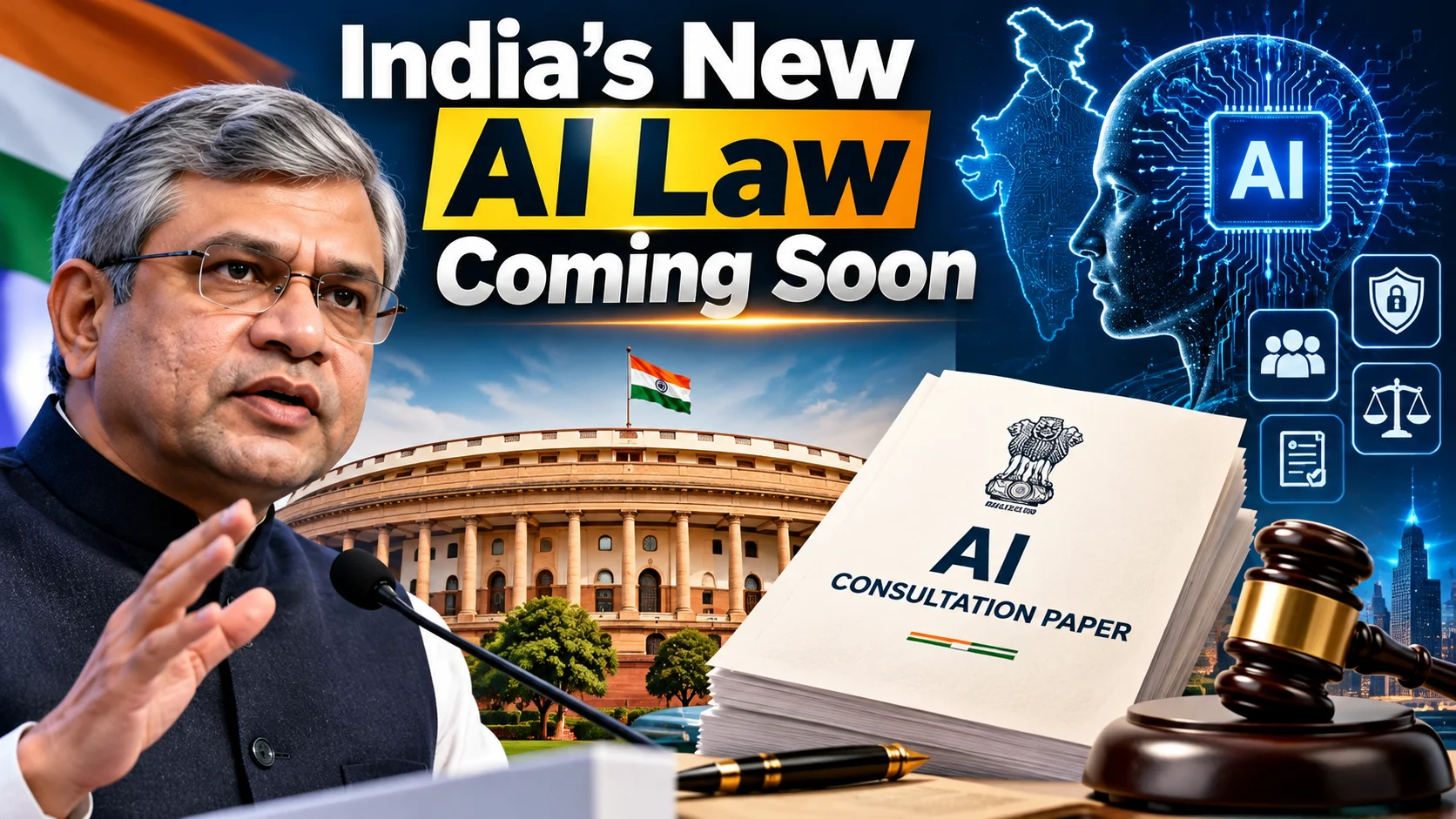
India's telecom crowd just drew a clear line on how AI should be governed. At COAI's event focused on AI and Telecom, the message from industry voices and DoT-aligned thinking was blunt: give us light-touch, progressive enabling regulation, and make it risk-based so the accountability framework still has humans in the loop.
This is not a vague wish list. Telcos want room to deploy AI across networks, customer care, fraud detection and spectrum planning without drowning in paperwork that treats every model like a nuclear reactor. DoT's interest in the same direction matters because the department sits at the centre of licensing, spectrum and the digital public infrastructure stack that already powers UPI-scale systems.
The framing is deliberate. "Light-touch" means fewer blanket bans and more guidance. "Progressive enabling" means rules that grow with capability instead of freezing 2026 tech in place. "Risk-based" means high-stakes AI gets tighter checks, while low-stakes tools get a lighter pass. And "humans in the loop" is the safety valve - someone accountable when the model messes up a billing dispute or flags the wrong tower for shutdown.
Details
Risk-based regulation is not a new idea globally, but India is trying to shape it for its own telecom reality. Think of AI systems in tiers. A voice bot that resets your JioFi password sits in a lower risk bucket. An AI that auto-tunes radio parameters across thousands of sites, or one that scores fraud risk on UPI-linked recharge flows, sits higher. Higher risk means stronger logging, clearer audit trails, and mandatory human review before irreversible actions.
Light-touch does not mean no rules. It means avoiding a one-size-fits-all licensing regime for every model a telco trains or buys. Progressive enabling suggests sandboxes, voluntary codes and iterative standards that let operators ship, measure harm, and tighten controls where real damage shows up - not where a consultant imagines it.
Humans in the loop is the practical bit operators actually care about. Fully autonomous network healing sounds cool until a bad model takes down a city cluster during a festival. The ask is simple: keep a human accountable for high-impact decisions, with clear escalation paths. That also fits how Indian compliance culture already works around TRAI quality-of-service norms and DoT security directives.
COAI bringing telcos and policy voices into one room on AI and Telecom is itself a signal. Operators want predictability before they sink more capex into AI ops platforms, edge inference near towers, and customer-facing agents that speak Hindi, Tamil, Telugu and a dozen other languages. Uncertainty kills roadmaps faster than competition.
None of this invents a finished law. It sets the preferred design: enable first, calibrate by risk, keep people responsible. That is the opposite of freezing innovation until a perfect statute arrives.
India impact
For Jio, Airtel and Vi, this stance is about speed and cost. AI already helps with network congestion prediction, energy saving on base stations, and sorting the flood of customer tickets that hit WhatsApp and app chats every day. Heavy, horizontal AI licensing would slow every pilot. A risk-based path lets them scale the boring-but-valuable stuff - predictive maintenance, spectrum efficiency, churn models - while putting stricter gates on anything that touches identity, payments adjacency or critical routing.
Startups building for telcos win too. Indian AI firms selling voice analytics, tower computer vision, or fraud models for prepaid ecosystems need clear lanes. If every deployment needs a multi-month clearance regardless of risk, only the big three survive. Light-touch rules keep the supplier market alive, which matters when operators want specialised models for Indic languages and local payment patterns.
Consumers feel this in quieter ways. Better AI on the network side means fewer dropped calls in dense markets and faster complaint resolution. The risk is bias and opaque decisions - wrong fraud flags, unfair credit-like scoring on prepaid behaviour, or chatbots that gaslight users. A humans-in-the-loop accountability frame is meant to catch those failures before they scale nationally.
It also sits next to India's existing stack: DPDP Act privacy duties, CERT-In incident reporting, and DoT security conditions. Telcos are arguing that AI rules should plug into that fabric instead of creating a parallel bureaucracy. For Flipkart-scale festive traffic or UPI peak days, networks already run hot. AI that keeps those pipes healthy is national infrastructure now, not a nice-to-have chatbot.
State-level digital pushes and BharatNet-style connectivity goals also benefit if operators can automate more of the last-mile monitoring without waiting for a thick AI licence every quarter. The India angle is scale plus multilingual reality - rules written for English-only enterprise AI will not fit.
Use cases
Network optimisation is the obvious one. AI models forecast congestion, retune parameters, and suggest where to densify. Under a risk-based lens, advisory models stay light; anything that auto-executes changes on live radio access networks needs human approval gates and rollback plans.
Customer experience is next. Multilingual agents that handle recharge failures, SIM replacements and roaming queries can cut wait times. Low risk if they only suggest actions and a human or clear confirmation closes the loop. Higher risk if they can permanently alter plans or share sensitive KYC-linked data without checks.
Fraud and abuse detection sits higher. Prepaid ecosystems and UPI-adjacent recharge corridors attract SIM farms and social engineering. AI that blocks numbers or freezes services needs audit logs, appeal paths and human review for edge cases - exactly the accountability frame experts flagged.
Energy and green ops matter for INR costs. Towers burn power. AI that sleeps radios during low traffic saves money and carbon. Mostly operational risk, so lighter oversight, but still with monitoring so a sleepy cell does not go dark during a local emergency.
Workforce tools - AI copilots for field engineers fixing fibre or microwave links - sit in the middle. They speed jobs if grounded in accurate asset data. Humans remain responsible for safety-critical work on towers and street cabinets.
Edge AI near base stations for latency-sensitive apps (gaming, enterprise private 5G) will grow. Risk depends on whether the model only accelerates content or starts making access-control decisions. Tiering keeps that distinction honest.
Honest take
India should take the light-touch, risk-based bet - with eyes open. Copy-pasting the heaviest global AI rulebooks onto telecom would punish the operators actually building Indic-language, high-scale systems. Telcos are right that not every model deserves the same paperwork.
But light-touch cannot become light-accountability. Humans in the loop only works if those humans have authority, training and liability that is real. A rubber-stamp dashboard is theatre. If an AI wrongly blacklists a small merchant's SIMs during a festive UPI rush, someone named has to own the fix and the apology.
DoT and industry also need public clarity on tiers. Vague "high risk" labels invite lobbying and selective enforcement. Publish examples: what is low, medium, high in a telecom context. Tie it to existing security and privacy duties so companies are not double-regulated into paralysis.
For users, the win is better networks and faster support. The risk is silent automation of unfair outcomes. Progressive enabling only earns trust if appeals are easy, logs exist, and Indic-language users are not treated as afterthoughts in model evaluation.
Bottom line: the COAI-event direction is sensible for India's stage of AI adoption in telecom. Keep the rules proportional. Keep people responsible. Ship the useful stuff. Kill the fantasy that zero regulation or maximum regulation are the only two options.


Comments (0)
Be the first to comment!