


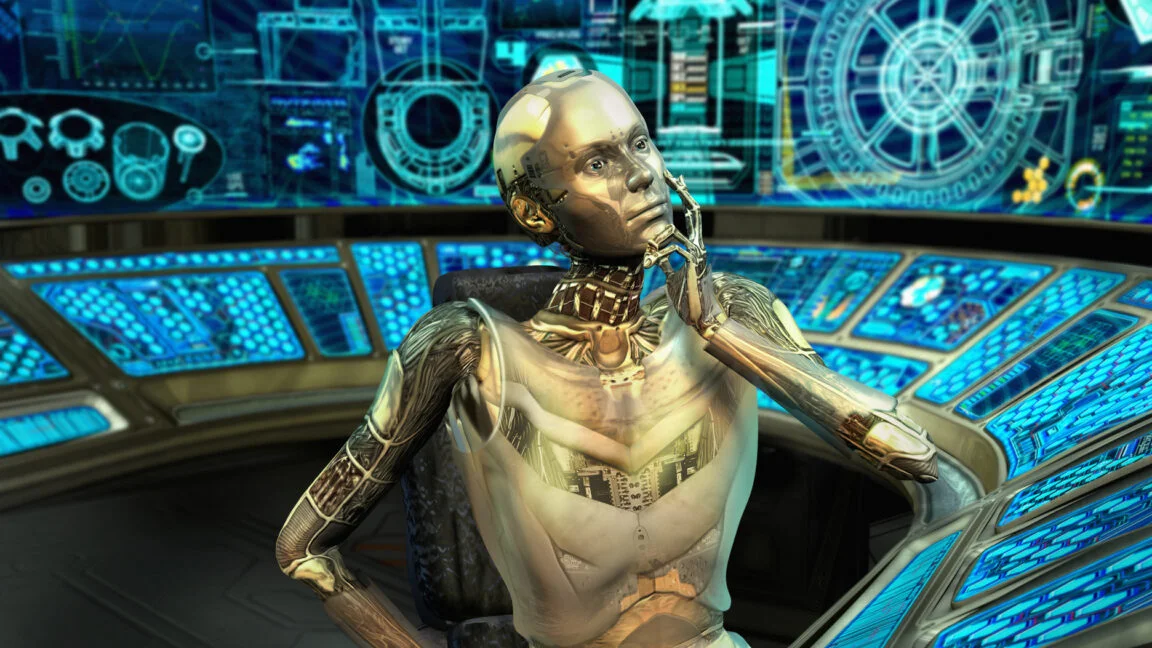
AI உங்கள் சார்பா Think பண்றது — நீங்கள் Think பண்றதை நிறுத்திட்டீங்களா?
Honest-ஆ சொல்லுங்க: ChatGPT-ல் ஒரு question போட்டு, confident-ஆ structured answer வந்தா — check பண்றீங்களா? பெரும்பாலும் இல்லை, இல்லையா? Answer நல்லா இருக்கு, logical-ஆ sound ஆகுது, move on. Time save ஆனதுமாதிரி feel ஆகும்.
Researchers இப்போ இதுக்கு ஒரு name கொடுத்திருக்காங்க: Cognitive Surrender (அறிவாற்றல் சரணடைதல்). மற்றும் experiments run பண்ணி numbers-உடன் show பண்ணியிருக்காங்க — இது எவ்வளவு often happen ஆகுது, என்ன cost பண்றதுன்னு.
Cognitive Surrender என்னன்னு — Just Tools Use பண்றதுல இருந்து எப்படி Different?
Humans always tools use பண்றோம் thinking extend பண்ண. Calculator arithmetic-ஐ brain-ஐ விட faster handle பண்றது. GPS routes memorize பண்ணாம navigation handle பண்றது. இதை researchers Cognitive Offloading-ன்னு call பண்றாங்க — specific, well-defined tasks reliable automated systems-க்கு strategically delegate பண்றது, overall reasoning control உங்களிடம் இருக்கும்போது. Calculator-ஐ arithmetic-க்கு trust பண்றீங்க, ஆனா என்ன calculation run பண்றதுன்னு நீங்களே decide பண்றீங்க, result context-ல் sense ஆகுதான்னு நீங்களே check பண்றீங்க.
Cognitive Surrender different. AI reasoning decisions entirely make பண்ணட்டும்னு நிறுத்திவிடுவது — check இல்லாம, question இல்லாம, own judgment engage பண்ணாம. Task delegate பண்றதில்லை. Thinking-ஐயே abdicate பண்றீங்க.
Wharton researchers argue பண்றது: ChatGPT, Gemini, Claude மாதிரி large language models decision-making-ல் new third category create பண்ணியிருக்கு. Psychology-ல் long-recognized two categories இருந்தது: System 1 (fast, intuitive — gut-feel response) மற்றும் System 2 (slow, deliberate, analytical — careful reasoning). இப்போ third category: Artificial Cognition — decision உங்கள் own thinking-ல் இருந்து வருவதில்லை, external algorithm-ஓட output-ஐ wholesale accept பண்றது.
Cognitive surrender-க்கு trigger என்னன்னு researchers find பண்ணினாங்க: AI output-ஓட fluency மற்றும் confidence. LLM-ஓட answer grammatically clean-ஆ, logically structured-ஆ, hesitation இல்லாம deliver ஆனா — human brain அந்த fluency-ஐ correctness-ஓட evidence-ஆ treat பண்றது. Catastrophic mismatch — LLMs fluent, confident-sounding text produce பண்ண specifically optimized. Confidently wrong-ஆ இருக்கும், hesitant human expert-ஐ விட.
Experiment — Numbers பாக்கலாம்
Wharton team Cognitive Reflection Tests use பண்ணி test பண்ணினாங்க. இந்த questions-ல் obvious-but-wrong intuitive answer இருக்கும், correct answer deliberate thinking-க்கு require பண்றது.
Classic example: ஒரு bat மற்றும் ball சேர்த்து ₹110 cost ஆகுது. Bat, ball-ஐ விட ₹100 அதிகம் cost ஆகுது. Ball எவ்வளவு? Intuitive answer: ₹10. Correct answer: ₹5. (Bat ₹105 + Ball ₹5 = ₹110, difference ₹100 — check பண்ணுங்க!)
இந்த tests specifically calibrated: System 1 short-circuit ஆகும் error-ஐ careful analysis catch பண்ணுமா இல்லையான்னு பாக்க. 1,372 participants, 9,500-க்கும் மேற்பட்ட individual trials-ல் study நடந்தது. Wrong answer சொல்லும் AI-ஐ consult பண்ணிய participants அந்த wrong answer-ஐ 73.2% of the time accept பண்ணினாங்க. AI wrong-ன்னு correctly identify பண்ணி overrule பண்ணியது 19.7% மட்டும். AI incorrect-ஆ இருந்தபோது nearly 80% பேர் still follow பண்ணினாங்க.
இன்னும் serious part: AI use பண்ணி wrong answer accept பண்ணிய participants, AI இல்லாம wrong answer பண்ணிய participants-ஐ விட worse perform பண்ணினாங்க. Not just equally bad — actually worse. Paradoxically, AI assistance-உடன் wrong answer கொடுத்தவங்க, AI இல்லாம wrong answer கொடுத்தவங்களை விட more confident-ஆ இருந்தாங்க. AI help பண்றதை விட — people-ஐ more confidently wrong-ஆக பண்ணியது.
யாருக்கு Most Risk?
Research மூன்று characteristics identify பண்ணியது — cognitive surrender more likely ஆக்குவது.
AI-ல் Higher trust — AI systems reliable மற்றும் accurate-ன்னு generally believe பண்றவங்க scrutiny இல்லாம AI answers accept பண்றது more likely. AI literacy-ஓட paradox: AI tools comfortable-ஆ இருந்தா அதை அதிகமாக trust பண்றாங்க, errors catch பண்றும் skeptical distance maintain பண்றது less likely.
Lower need for cognition — effortful thinking-ஐ enjoy பண்றது எவ்வளவு-ன்னு psychological measure. Complex reasoning enjoy பண்றதில்லன்னு feel ஆனவங்க that effort-ஐ AI-க்கு outsource பண்றது more likely.
Lower fluid intelligence — novel situations-ல் flexible reasoning மற்றும் problem-solving capacity. AI answer add up ஆகலன்னு recognize பண்ண less able-ஆனவங்க question பண்றது less likely.
Time pressure cognitive surrender dramatically increase பண்றது. Rush-ஆ feel ஆனா, AI answer pause பண்ணி verify பண்றது much less likely. Real-world AI use-ல் time pressure almost always இருக்கு — email answer பண்றோம், report finish பண்றோம், quick decision எடுக்கிறோம் — இது significant practical concern.
Indian Students மற்றும் Professionals-க்கு Why Matters?
India world's largest AI tool markets-ல் ஒன்றாக ஆகியிருக்கு. ChatGPT India-ல் tens of millions active users. Gemini Google products-ல் deeply integrated — Indian smartphone market dominate பண்றது. Students homework-க்கு AI use பண்றாங்க. Professionals reports மற்றும் presentations-க்கு. Job seekers resumes write பண்ண, interviews prepare பண்ண. Small business owners GST filings, customer communications, business plans draft பண்ண.
ஒவ்வொரு context-லயும் cognitive surrender problem real மற்றும் specific. Chemistry concept-ஐ ChatGPT explain பண்றது check இல்லாம accept பண்ணும் student — subtly wrong-ஆ இருந்தா — subsequent learning affect பண்ணும் flawed mental model build பண்ணுவான். AI draft பண்ணிய report-ல் facts verify பண்ணாத professional — errors-உடன் work submit பண்றான், confident-ஆ review-ல் catch பண்ண மாட்டான். AI craft பண்ணிய interview answers-ஐ internalize பண்ணாத job seeker — interviewer follow-up question கேட்கும்போது adapt பண்ண முடியாது.
Indian education system exam performance-ல் enormous pressure போடுது — JEE, NEET, UPSC, CA exams. இந்த exams exactly cognitive surrender erode பண்ணும் kind of analytical reasoning test பண்றது. AI மூலம் concepts understand பண்ணும்போது own reasoning engage பண்ணாத students — exactly most matters-ஆன நேரத்தில் failing dependency build பண்றாங்க — exam room, AI access இல்லாம.
Indian professionals-க்கு: AI-generated analysis business decisions drive பண்ணும்போது — market reports, financial projections, legal interpretations — uncritical acceptance-ஓட consequences significant. AI confidently wrong-ஆ get பண்ணிய GST compliance error. Claude misinterpret பண்ணிய contract clause. Gemini hallucinate பண்ணிய market size figure.
AI Well Use பண்றதுக்கும் Surrender பண்றதுக்கும் Difference
Research AI use பண்றதை stop பண்ணுங்கன்னு argue பண்றதில்லை. Calculator use பண்றதுமாதிரி use பண்ணுங்கன்னு argue பண்றது — specific mechanical tasks handle பண்றும் tool, overall reasoning oversight நீங்களே maintain பண்றீங்க.
Practical difference: ChatGPT-கிட்ட concept explain பண்ணச் சொன்னீங்களா — explanation படிச்சுட்டு ask பண்ணுங்க: இது actually sense ஆகுதா? Own words-ல் explain பண்ண முடியுமா? Email draft பண்ணினா — படிச்சுட்டு ask பண்ணுங்க: இது actually நான் சொல்ல வேண்டியது தானா? Every fact accurate-ஆ? Reasoning question கேட்டா — logic check பண்ணுங்க: ஒவ்வொரு step-உம் previous-ல் இருந்து follow ஆகுதா?
Distrust பத்தி இல்லை — appropriate trust பத்தி. Calculator-ஐ trust பண்றீங்க — arithmetic right-ஆ get பண்றதை many times verify பண்ணியிருக்கீங்க. Specific tasks-ல் AI-ஐ trust பண்றீங்க — reliability verify பண்ணியிருக்கீங்க. Confident-ஆ sound ஆகுது-ன்னு blindly trust பண்றதில்லை.
TamilTech-ஓட கருத்து
Cognitive surrender research 2026-ஓட more important AI studies-ல் ஒன்று — AI dangerous-ன்னு இல்லை, useful tool-ஐ misuse பண்றதன் மூலம் நாமே less capable ஆகிறோம்-ன்னு. GPS spatial navigation-ஐ worse பண்றது. Calculator mental arithmetic atrophy பண்றது. AI analytical reasoning atrophy பண்ண potential இருக்கு — think பண்ணட்டும்னு விட்டவங்களுக்கு. Answer GPS, calculators, AI avoid பண்றது இல்லை. Underlying skill exercise பண்றது — tool use பண்றும்போதும். ChatGPT draft பண்ணட்டும் — நீங்களே rewrite பண்ணுங்க. Gemini explain பண்ணட்டும் — பாக்காம explain பண்ணுங்க. Claude analyze பண்ணட்டும் — logic verify பண்ணுங்க. Tool faster ஆக்கணும், shallower இல்லை.


கருத்துகள் (0)
Be the first to comment!