


Key Takeaways
- Over 40,000 Kenyans once earned a living writing essays for overseas students, a sector that has shrunk sharply after AI tools became widespread.
- In India, similar freelance platforms saw a 30% drop in academic writing gigs in the last two years, according to industry surveys.
- Many former Kenyan writers have moved to micro‑tasks like image annotation and UPI‑based payment testing, showing how gig workers adapt.
- Indian edtech startups are experimenting with AI‑assisted tutoring that could replace outsourced homework help, creating new local jobs.
- The shift warns that any online gig reliant on repetitive, rule‑based tasks is vulnerable to automation, urging workers to upskill.
What's the news
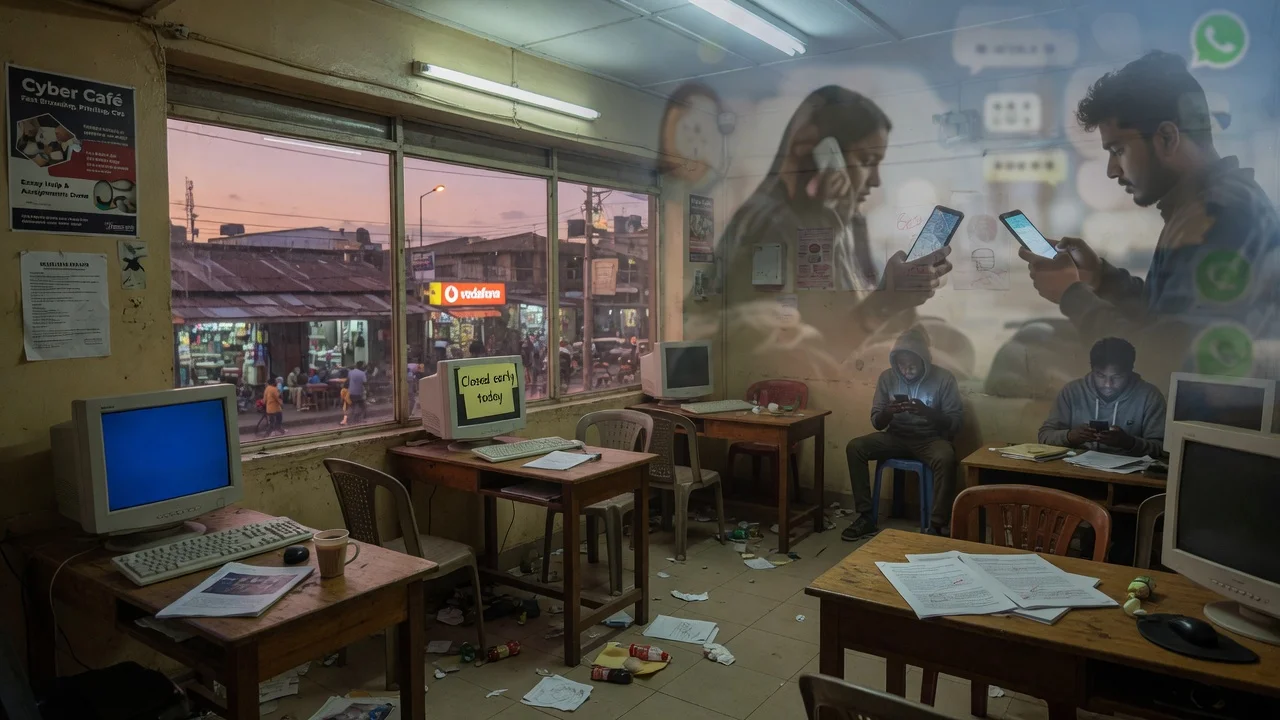
Just a few years ago, Nairobi’s bustling cyber cafes were filled with young Kenyans typing out essays for students in the US, UK and Australia. The work paid well enough to support families, and the industry employed more than 40,000 people at its height. Today, those same cafes are quieter. The reason is simple: AI chatbots can now produce a decent essay in seconds, and many overseas students prefer the instant, cheap output over paying a human writer.
Details
The essay‑writing boom started around 2018 when platforms like Upwork and Fiverr saw a surge in requests for “help with my college paper”. Kenyan writers, many of whom were graduates with strong English skills, filled the gap. They charged anywhere from $5 to $20 per page, depending on urgency and subject. By 2022, estimates put the sector’s monthly turnover in the low‑tens of millions of dollars. The income helped pay rent, buy food and fund further education for many workers.
Impact on Kenya
As AI tools improved, the flow of orders dropped sharply. Writers who once earned a steady $300‑$500 a month now see only occasional gigs paying a fraction of that. Some have left the cyber cafes altogether, seeking work in delivery apps, retail or informal trading. Others have tried to stay online by offering editing or proofreading services, but those niches are also shrinking as language models get better at polishing text.
India parallels
Indian freelance marketplaces have shown a similar trend. Platforms that host academic writing gigs reported a 30% decline in the number of active projects between 2024 and 2026. Many Indian college graduates who used to write essays for clients in the Middle East and Europe have seen their earnings fall. In response, a growing number have turned to micro‑task platforms that pay per image tagging, data validation or UPI‑based transaction testing. These tasks often pay in INR and can be accessed via smartphones using Jio or Airtel networks.
Adaptation paths
Some former essay writers have enrolled in short online courses to learn graphic design, basic programming or digital marketing. A few have joined local startups that need content moderators for regional language platforms. In Kenya, a handful of hubs now offer training in AI‑prompt engineering, teaching workers how to guide chatbots to produce better output rather than compete with them.
Lessons for gig workers
The Kenya case highlights a clear pattern: gigs that rely on predictable, rule‑based output are the first to feel automation pressure. Workers who can combine domain expertise with creativity, or who can move into tasks that require human judgement, tend to fare better. Upskilling in areas such as AI supervision, quality assurance or community management offers a route to stay relevant.
Future outlook
While the demand for human‑written essays may never return to its peak, there remains a niche for highly specialised work — think legal briefs, medical research summaries or customised creative writing. Those areas still need a human touch that current AI struggles to replicate. For now, the lesson is clear: diversify skills, stay alert to technological shifts, and treat any online income source as potentially temporary.
FAQs
What caused the decline of Kenya's essay‑writing industry?
The widespread availability of affordable AI essay generators reduced the need for paid human writers, especially among overseas students looking for quick and cheap help.
How many people were employed at the sector’s peak?
Estimates suggest more than 40,000 Kenyans were earning a living from academic writing gigs around 2021‑2022.
What alternative gigs have former writers taken up?
Many have shifted to micro‑tasks such as image annotation, data validation, UPI‑based payment testing and occasional freelance editing or proofreading work.
Is India seeing a similar effect on its freelance writing market?
Yes, industry surveys show a roughly 30% drop in academic writing gigs on Indian freelance platforms over the past two years, prompting workers to explore other online tasks.
What steps can gig workers take to stay relevant?
Upskilling in fields like AI prompt engineering, graphic design, basic coding or digital marketing, and moving towards tasks that require human judgement or specialised knowledge can help mitigate automation risks.





Comments (0)
Be the first to comment!