


What’s the news?
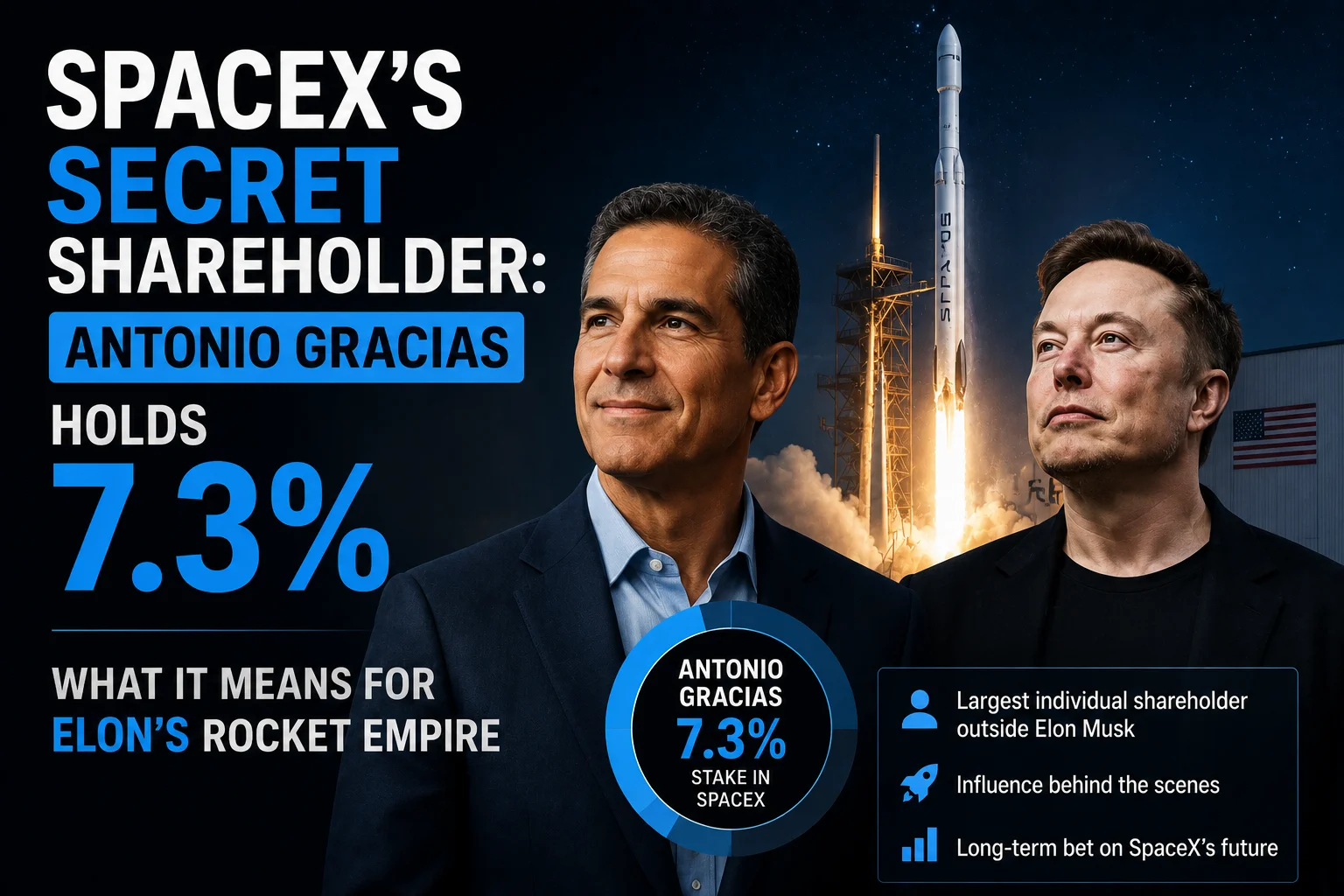
SpaceX just filed a Form S‑1 as it gears up for a potential public listing. While most eyes are on the rockets, a quieter but big story emerged: Antonio Gracias, the founder of Valor Equity Partners and a long‑time Musk confidant, owns about 7.3% of SpaceX. That makes him the second‑largest shareholder after Elon himself.
Who is Antonio Gracias?
Gracias is a Silicon Valley veteran who made his fortune backing early‑stage tech companies. He started Valor Equity in 2001 and has been in Musk’s inner circle since the early days of Tesla and SpaceX. Think of him as the “quiet hand” that helped keep the rockets funded when banks were skeptical.
How big is 7.3%?
SpaceX is valued at roughly $100 billion (according to the S‑1 filing). A 7.3% stake translates to about $7.3 billion on paper. That’s not just a number – it gives Gracias a real say in board decisions, voting rights, and strategic direction.
Why does this matter to India?
India’s space sector is booming. ISRO’s Gaganyaan crew program and the private surge with Skyroot and AgniKul are all watching SpaceX’s business model. If SpaceX goes public, Indian investors could get a direct line to the rocket economy via global ADRs or mutual‑fund exposure.
Moreover, Gracias’ involvement hints at more private‑equity style financing for space ventures. That could open doors for Indian startups to raise capital from the same pool of investors who back SpaceX.
What’s the likely next step?
SpaceX hasn’t set a firm IPO date, but the S‑1 filing shows they’re testing the waters. If they list on a U.S. exchange, the share price will likely be volatile – rockets are high‑risk, high‑reward assets.
For Indian retail investors, the practical route will be through International brokerage platforms (e.g., Groww Global, ICICI Direct’s overseas arm) or via a domestic fund that holds SpaceX ADRs.
TamilTech’s take
We think this is a double‑edged sword. On one hand, having a heavyweight like Gracias on board adds credibility and might smooth the path for a smoother IPO. On the other, it also means a significant chunk of voting power is concentrated in a single private‑equity hand, which could tilt decisions toward big‑ticket projects rather than steady, revenue‑generating services.
For Indian tech‑savvy readers, the takeaway is simple: keep an eye on SpaceX’s filing, watch the share‑price chatter, and consider how global space finance might affect local players.
What to watch next?
- Exact IPO pricing and listing venue (NASDAQ vs NYSE).
- Whether Valor Equity pushes for a dual‑class share structure.
- Potential partnership announcements between SpaceX and Indian firms.
Stay tuned – the next few months could reshape how we all think about private space finance.




Comments (0)
Be the first to comment!