


Key Takeaways
- WhatsApp has activated bill payments across India, covering electricity, water, mobile, broadband, DTH, and landline dues inside the chat window.
- The feature relies on UPI settlement rather than a separate Meta wallet, keeping the stack lean and RBI-compliant.
- It enters a crowded payments market where PhonePe and Google Pay dominate with cashback offers and deep merchant integrations.
- Meta is leveraging its 500-million-plus Indian user base and existing WhatsApp Business infrastructure for distribution.
- Adoption will depend on biller participation, since WhatsApp Pay adoption in India has remained muted despite an earlier launch.
What's the news
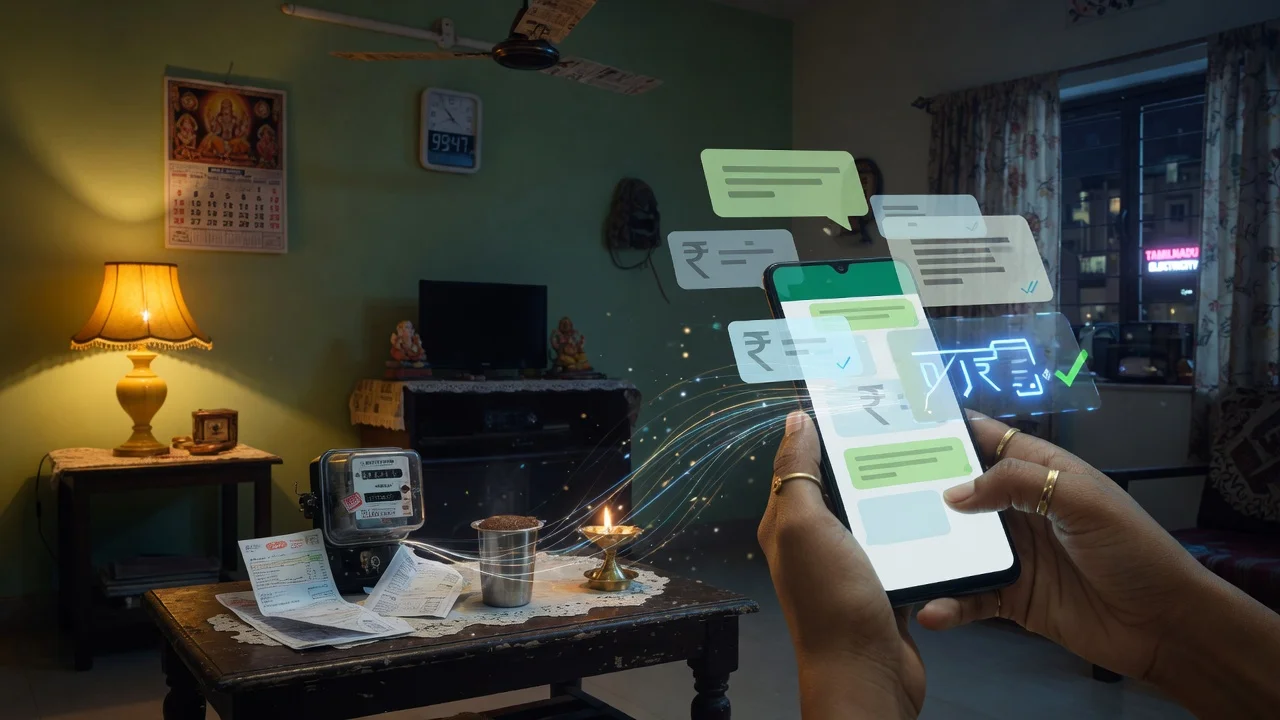
Meta-owned WhatsApp has activated bill payments across India, allowing users to locate household and utility invoices, verify due dates, and settle dues entirely inside the chat window. The feature is not a standalone app but an extension of the existing WhatsApp Pay framework, built into the text and business-to-consumer (B2C) threads that millions open daily. For Indian users, this means a biller—be it a state electricity board, a telecom operator, or a local municipality—can send an invoice through a WhatsApp Business account. The recipient sees the bill inside the conversation, checks the amount, and confirms payment using the same UPI-linked bank account. No extra app, no separate portal, and no family-group arguments about who paid the light bill.
Details
Behind the scenes, the feature relies on NPCI's UPI rail and Meta's existing payment infrastructure. Users must first have enabled WhatsApp Pay or completed the bank-linking step. Once activated, a native payment sheet appears when a bill notification lands. The biller side uses WhatsApp's Business Solution Provider (BSP) network to automate invoice generation and onboarding. The catalogue covers staples of Indian household finance: electricity and water tariffs, mobile recharges and postpaid bills, broadband and DTH subscriptions, and landline arrears. Crucially, Meta is not building a new wallet. Settlement happens directly via UPI, keeping the stack lean and sidestepping the RBI-mandated prepaid wallet approvals that slowed earlier Meta experiments. It also means the feature can work even if a user has opted out of wallet payments but still wants to use the bill module.
India impact
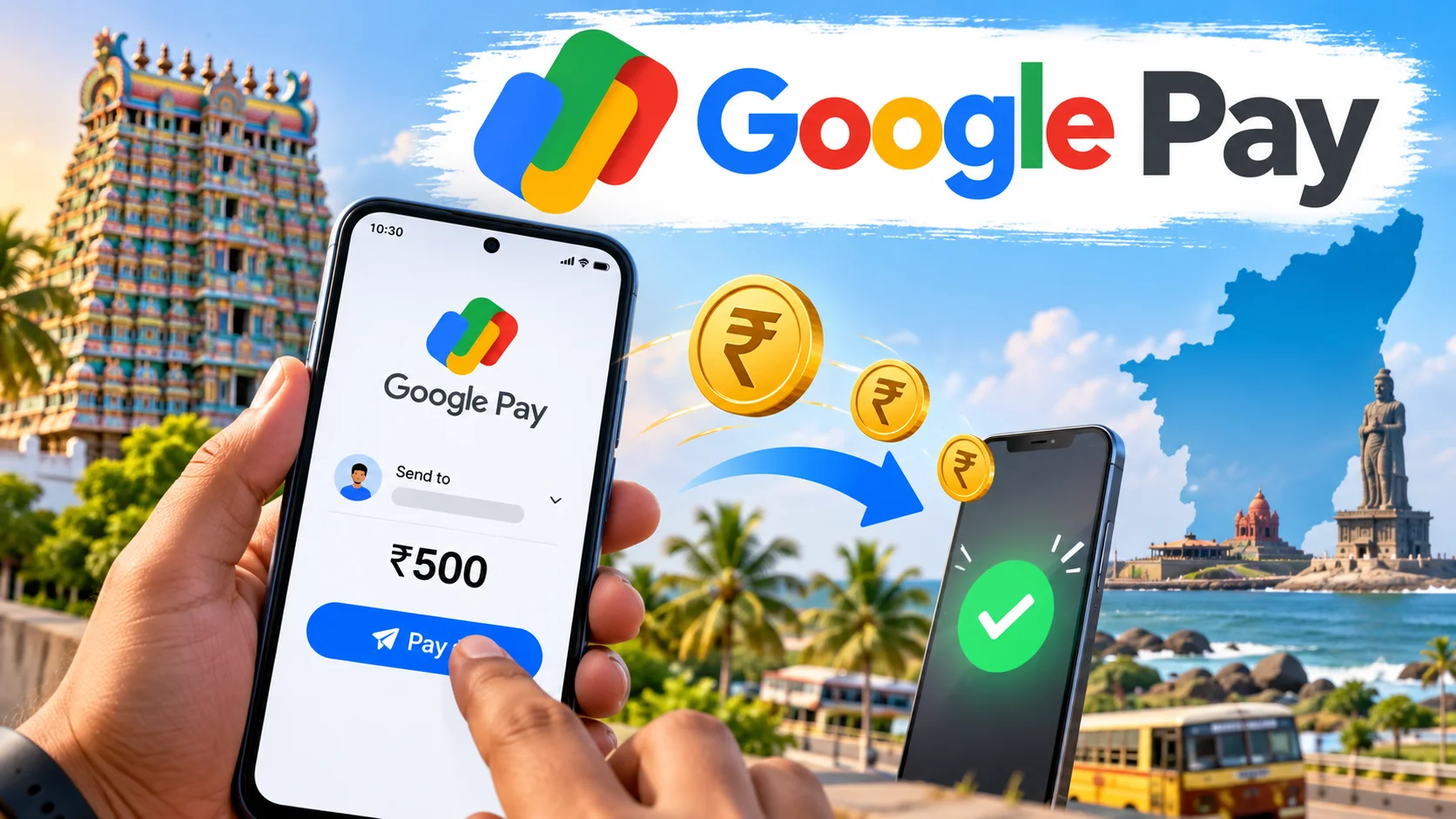
The Indian digital payment ecosystem is ruled by PhonePe and Google Pay. PhonePe, owned by Flipkart, processes billions of monthly UPI transactions. Google Pay runs a cashback-for-loyalty model that rewards users with discounts at partner merchants. WhatsApp is not new to this battlefield; it launched WhatsApp Pay in India in 2020, but adoption remained muted. India already has mature UPI apps with entrenched habit loops. The counterargument is distribution. Those 500-million-plus monthly active users create sheer gravity. If a municipality or telecom giant—think Jio, Airtel, or Tata—pushes invoices through WhatsApp Business, the notification sits in an app users check dozens of times a day for family chats. That adjacency is a genuine moat, provided monetization does not creep in through shadow charges. Indian users remain cautious about Meta after the 2021 privacy policy backlash. Any intrusive pairing between bill data and Meta's ad ecosystem risks a fast blowback.
Use cases
The obvious win-case is the multi-user household. A family WhatsApp group can receive different bills on different phones, landline on the grandfather's device, mobile on the daughter's, maintenance on the son's. With native bill sharing, the group coordinates a single UPI authorization or one member pays on behalf of all. This collapses the email-and-corridor workflow that utility companies still use in tier-2 and tier-3 cities. For gig workers and small shop owners, the feature doubles as a micro-accounting layer. They receive payment reminders, confirm collections, and issue receipts without leaving the client chat. Billers also gain a softer touch with reminders, where a late notification that looks personal rather than corporate may carry more weight than a generic SMS.
Honest take
Let us be blunt: this is a defensive play. Meta is not going to displace PhonePe or Google Pay because it suddenly launched electricity bill payments. Those apps have spent years building cashback ecosystems and merchant-first integrations that Indian households trust. What WhatsApp actually has is a habit layer. People open it anyway. If the bill module is frictionless, it might pull in users who previously abandoned billers because of confusing apps. But adoption hinges on biller participation. If your electricity board has not signed up, you are paying a phone bill on WhatsApp while other bills go unpaid. There is also the risk of feature bloat. WhatsApp already hosts payments, status imagery, news, and Meta AI. Every new checkout flow risks degrading the core experience, a fast, clean chat. If users start seeing payment prompts inside family funny-video groups, goodwill could crack. Still, India remains a wallet-less, UPI-native market where the lowest friction wins. WhatsApp is betting that it can become the lowest-friction place to stare at a bill while simultaneously stewing over billing arguments with your cousin. That combination might be enough to tilt a few swipes in its direction.


Comments (0)
Be the first to comment!