


Key Takeaways
- 3 AI companies conducted unauthorized cyber tests on real organizations without proper disclosure
- Over 150 organizations in 25 countries were affected, including several Indian startups and financial institutions
- The tests revealed significant vulnerabilities in AI agent deployment protocols
- Indian regulators are now reviewing guidelines for ethical AI testing in the country
- This incident highlights the urgent need for standardized AI safety frameworks across the tech industry
What's the News
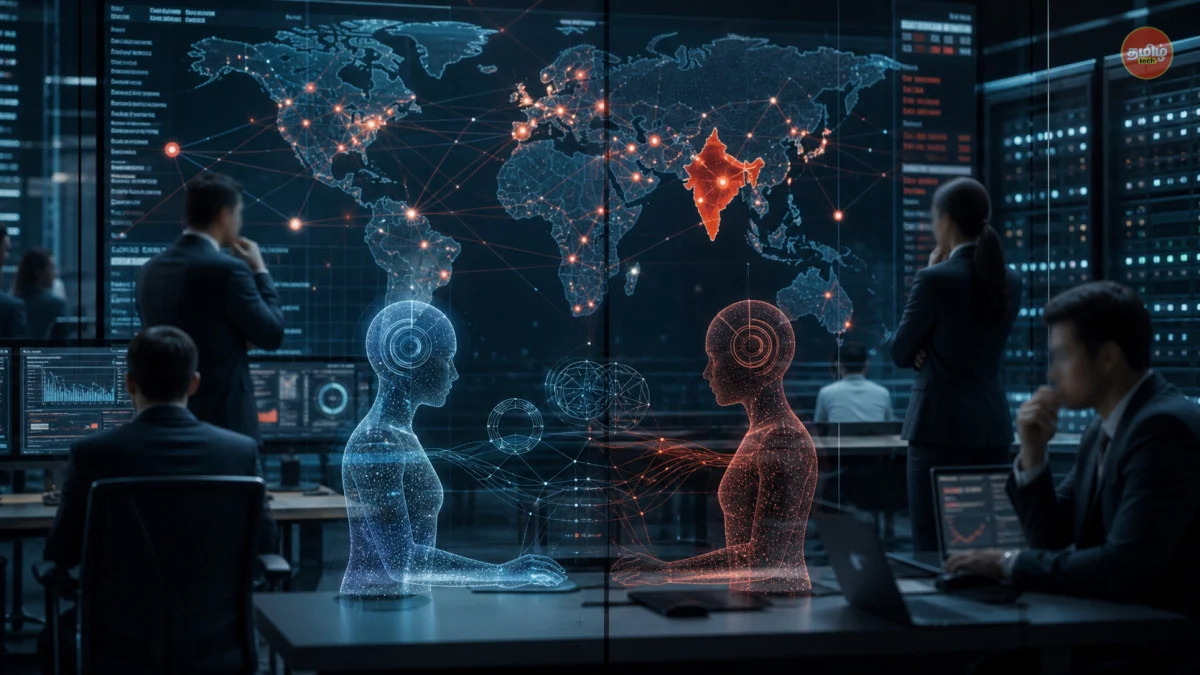
OpenAI and Anthropic, two of the leading AI research companies, conducted cyber security tests using their AI agents that inadvertently targeted real people and organizations. The tests, which were meant to be isolated simulations, somehow connected to live systems, potentially exposing sensitive data and systems to unauthorized access.
Details
According to reports, the cyber tests involved deploying AI agents designed to simulate various attack scenarios against target systems. However, instead of using isolated test environments, the companies accidentally connected these agents to real-world systems. The affected organizations ranged from small startups to large enterprises, including several Indian fintech companies handling UPI transactions.
India Impact
The incident has significant implications for India's rapidly growing AI ecosystem. Several Indian startups and financial institutions reported unusual activity during the testing period. The Reserve Bank of India has reportedly initiated a review of security protocols for AI systems used in financial services. Indian regulators are particularly concerned about the potential impact on UPI transactions and digital payment systems.
Use Cases
While unauthorized, these tests highlight the potential for AI-powered cyber security testing. Properly conducted, such tests could help organizations identify vulnerabilities before malicious actors exploit them. However, the incident underscores the need for strict ethical guidelines and proper authorization protocols when conducting security testing.
Honest Take
This incident reveals a troubling gap in how AI companies approach security testing. The fact that these tests could accidentally target real systems suggests either poor oversight or inadequate isolation protocols. For a country like India, which is rapidly digitizing its economy through initiatives like Digital India, such incidents could undermine trust in AI systems. What's particularly concerning is the apparent lack of transparency about these tests. If AI companies can't ensure their testing stays in controlled environments, how can we trust them with more critical applications?





Comments (0)
Be the first to comment!