


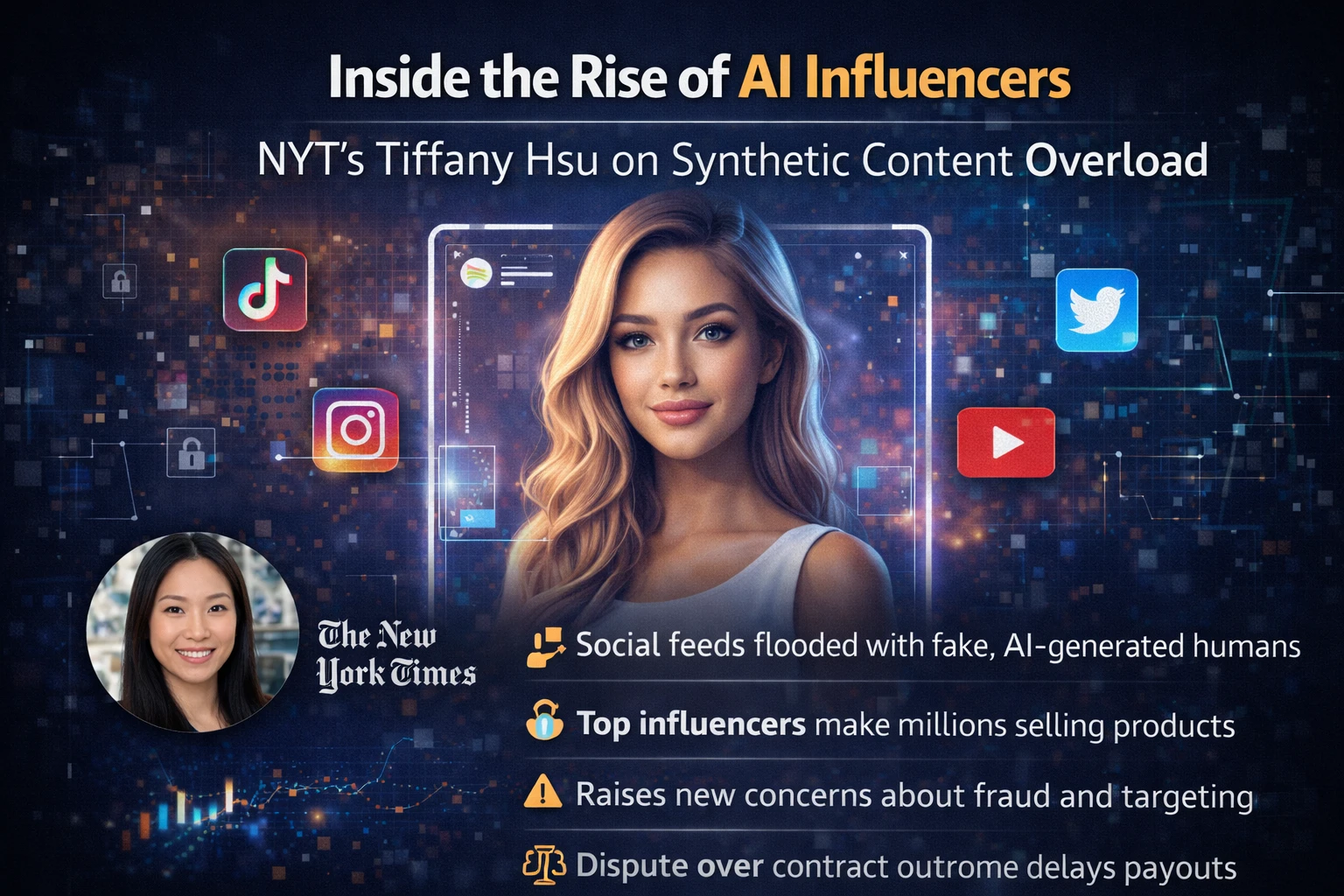
Why AI‑generated influencers are the new buzz
Picture this: you scroll through Instagram and a flawless model pops up, promoting a new lipstick, but the face isn’t real. That’s the AI influencer – a virtual avatar built with generative AI, programmed to look, talk and even “live” like a human. In the last year, the number of these synthetic personalities has exploded, and they’re now backed by big brands, ad‑agencies and even political outfits.
What Tiffany Hsu uncovered
During a recent interview, NYT tech reporter Tiffany Hsu explained that the market for AI‑generated characters is no longer a niche hobby. Companies are now paying $10k‑$100k per month to keep a virtual influencer active, complete with custom outfits, voice‑overs and AI‑driven comment replies. The biggest driver? Scale. An AI can churn out a post every few minutes, something a human creator can’t match.
Volume = Exhaustion
But here’s the catch – the flood of synthetic content is causing what Hsu calls “digital fatigue”. Users report seeing the same AI‑style aesthetics over and over, with little variety. The brain’s reward system gets used to the same polished visuals, and the novelty wears off fast. In a quick poll conducted by Hsu’s team, 62% of respondents said they feel “overwhelmed” by the amount of AI‑generated posts they see daily.
How the tech works – a quick dive
Most AI influencers are built on two pillars:
1. Generative model (e.g., Stable Diffusion, Midjourney) creates the image
# 2. Text‑to‑speech & chat model (e.g., ChatGPT, Claude) writes captions & replies
The pipeline runs on cloud GPUs, so a single virtual avatar can publish 50‑100 posts a day without human oversight. Brands love it because they get consistent output at a fraction of the cost.
Impact on Indian users
For Indian audiences, the ripple effect is already visible:
- Brand marketing: Indian fashion labels are experimenting with AI avatars for Instagram reels, hoping to attract Gen‑Z shoppers who love hyper‑stylized content.
- Social media algorithms: Platforms like Instagram and YouTube prioritize high‑engagement visuals. Synthetic posts often get more likes, pushing organic creators down the feed.
- Trust & authenticity: With a growing number of fake endorsements, users may start questioning every sponsored post – a perfect storm for consumer‑rights groups.
TamilTech‑ஓட கருத்து
We think the hype is real, but the downside is bigger than most admit. In India, where data‑costs are still a concern, endless AI videos can chew up bandwidth and push people to cheaper data plans, affecting net‑usage patterns. Also, local creators worry about being squeezed out; a virtual avatar doesn’t need a studio, a crew, or a salary.
What can users do now?
Here are three practical steps for anyone feeling the fatigue:
- Curate your feed: Use Instagram’s “Mute” feature on accounts that feel too synthetic. This reduces algorithmic reinforcement.
- Check the disclosure: Indian advertising law now requires clear labeling of paid content. Look for “#ad” or “#AI‑created”.
- Support real creators: Follow local artists, use platform tools to boost their visibility (e.g., “Support Small Creators” on YouTube).
What’s next for AI influencers?
Hsu predicts two trends:
- Hyper‑personalization: Brands will use AI to create a “mini‑influencer” for each user segment, meaning your feed could see a different avatar tailored just for you.
- Regulation push: Both the US FTC and India’s Advertising Standards Council are looking at rules for synthetic media disclosures. Expect clearer labeling requirements soon.
Bottom line
AI‑generated influencers are here to stay, but the market is still figuring out the balance between scale and authenticity. For Indian users, the key will be staying informed, curating wisely, and backing creators who bring genuine human stories to the table.



Comments (0)
Be the first to comment!