


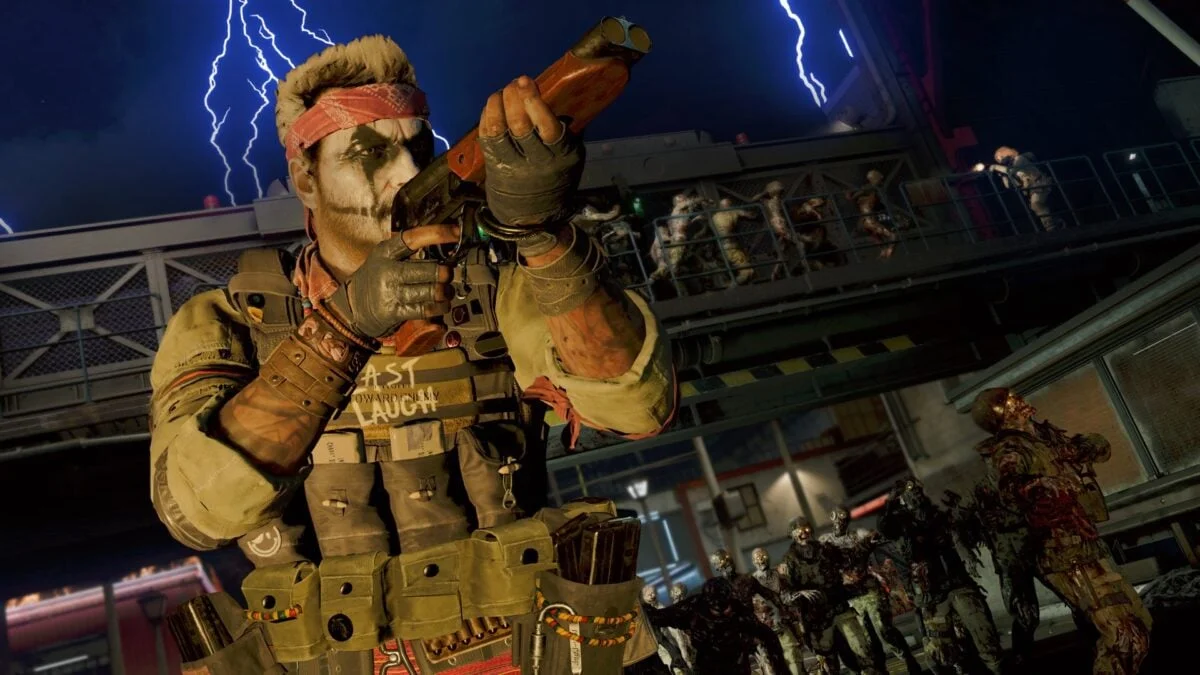
A leaked DM, a bad excuse, and a career setback
Esports drama plays out fast and publicly. One day you're on a professional Call of Duty League roster. The next, a leaked Discord conversation is circulating on X, your team is reviewing the situation, and within 48 hours you're released from your contract. That's exactly the sequence of events that ended Dylan Koch's time with the Carolina Royal Ravens in the first week of April 2026.
Koch, who competes under the gamertag Nero, had only joined the Royal Ravens in late 2025 — about a month before the Call of Duty League season kicked off. The team was apparently satisfied enough with his performance through two splits to keep him on. Then the DMs leaked.
What happened in the DMs
The leaked Discord conversation shows Koch opening an unsolicited exchange by asking someone whether they'd "consider Esex" — online sexual messaging — adding that he hoped they wouldn't "take it the wrong way" and that he'd "always wanted to try it." The recipient shut it down immediately, made it clear the advance was unwelcome, and Koch then spent a lengthy follow-up apologising and attributing his behaviour to sleep deprivation.
The recipient posted the screenshots on X but later deleted their account after the situation blew up and the fallout became overwhelming. That's a pattern that repeats in online harassment situations — the person who was targeted ends up bearing the burden of public scrutiny even after calling out the behaviour.
The Carolina Royal Ravens didn't reference the DMs directly in their release announcement. The statement was brief and professional: they thanked Koch for his two splits with the team and wished him well. But Koch's own public response made the subtext obvious.
The response that made everything worse
"Sorry I have a real life" is a sentence that was almost engineered to backfire, and it did.
Koch's full post acknowledged that what was sent "clearly wasn't received appropriately" and that he understood that. But framing the situation as online communication norms versus real-world norms — implying the recipient overreacted to something that's normal in online gaming spaces — missed the point entirely. Sending unsolicited sexual messages isn't a feature of gaming culture. It's harassment. The platform it happens on doesn't change that.
The "real life" framing also raised a question Koch probably didn't intend: if this is how he communicates in his "real life," that's arguably more concerning than if it were an online persona gone wrong. Either way, the defence landed badly with most observers.
Why esports teams act this quickly on these situations
Professional esports organisations operate in a sponsorship-dependent ecosystem. Team brands — especially those in major league structures like the Call of Duty League, which involves city franchises similar to traditional sports — are tied to corporate partnerships. A player controversy that generates negative headlines within 24 hours forces teams to make fast decisions to protect sponsor relationships.
The Call of Duty League has teams backed by major esports organisations with significant investment. The Carolina Royal Ravens operate in a structure where a high-profile conduct issue can put renewal conversations with sponsors at risk faster than almost any other industry. Teams have learned from watching other esports organisations hesitate and get dragged into extended news cycles — moving quickly and cleanly is the playbook now.
Koch was 24, had only been with the team for two splits, and the season had a natural break point coming up. The calculus was straightforward.
The Indian esports angle — this matters here too
India's professional gaming scene has grown significantly over the past three years. BGMI (Battlegrounds Mobile India), Valorant, and to a growing extent Call of Duty Mobile have established competitive circuits with Indian teams, branded tournaments, and players building public followings on YouTube and Instagram. The total Indian esports audience crossed 150 million in 2025, and platforms like Loco and YouTube Gaming regularly stream competitive matches to lakhs of viewers.
Indian esports players are increasingly public figures — not just to gaming communities but to general audiences who follow gaming content on Instagram Reels and YouTube Shorts. The same sponsorship dynamics and accountability standards that apply in the CDL apply — or will increasingly apply — to Indian esports organisations as the prize pools grow and corporate sponsors get more invested in team branding.
The Nero situation is a useful data point: in professional esports, conduct that would get someone fired from any other public-facing job gets you fired from an esports team too. The "it's just online" defence doesn't hold, and teams aren't willing to absorb the reputational cost of defending it. Indian esports organisations like Global Esports, Orangutan, and S8UL operate in the same ecosystem of sponsor dependency and public scrutiny. Players building careers in this space are effectively brand ambassadors, not just gamers.
What happens to Nero now
Being dropped from a CDL team mid-season isn't automatically a career ending event — Koch could be picked up by another team during the next transfer window if teams feel the controversy has cooled and his in-game performance warrants it. The CDL has a relatively small pool of elite players, and performance often wins out over controversy in transfer decisions, especially when the incident doesn't involve criminal conduct.
The harder part is the public record. X posts don't disappear easily, and the leaked DMs are archived across Reddit threads, gaming news sites, and Discord servers. Any future team picking up Koch will be making that decision with full knowledge of the situation — which means they'll need to be confident enough in his performance value to absorb whatever residual reputational risk comes with the signing.
For Koch personally, the path forward is fairly simple to describe and considerably harder to execute: demonstrated accountability, keeping his head down, performing well in whatever competitive context he finds himself in, and letting time do what it does. It's the same arc every athlete — digital or physical — has had to navigate after a public conduct issue.
TamilTech's take
The "I have a real life" comment is what makes this story worth discussing beyond the initial news beat. The instinct to frame online harassment as a misunderstanding between different communication styles is a defence mechanism that gaming culture has leaned on for too long. Esports as an industry has been trying to build toward mainstream legitimacy — brand partnerships, city franchises, broadcast deals. That legitimacy comes with the same conduct expectations as any other professional sport. Nero's situation is a clear signal that teams aren't willing to carry that cost anymore. Indian esports players building careers right now should read this as a professional reality check, not just foreign gaming gossip.



Comments (0)
Be the first to comment!