


What happened?
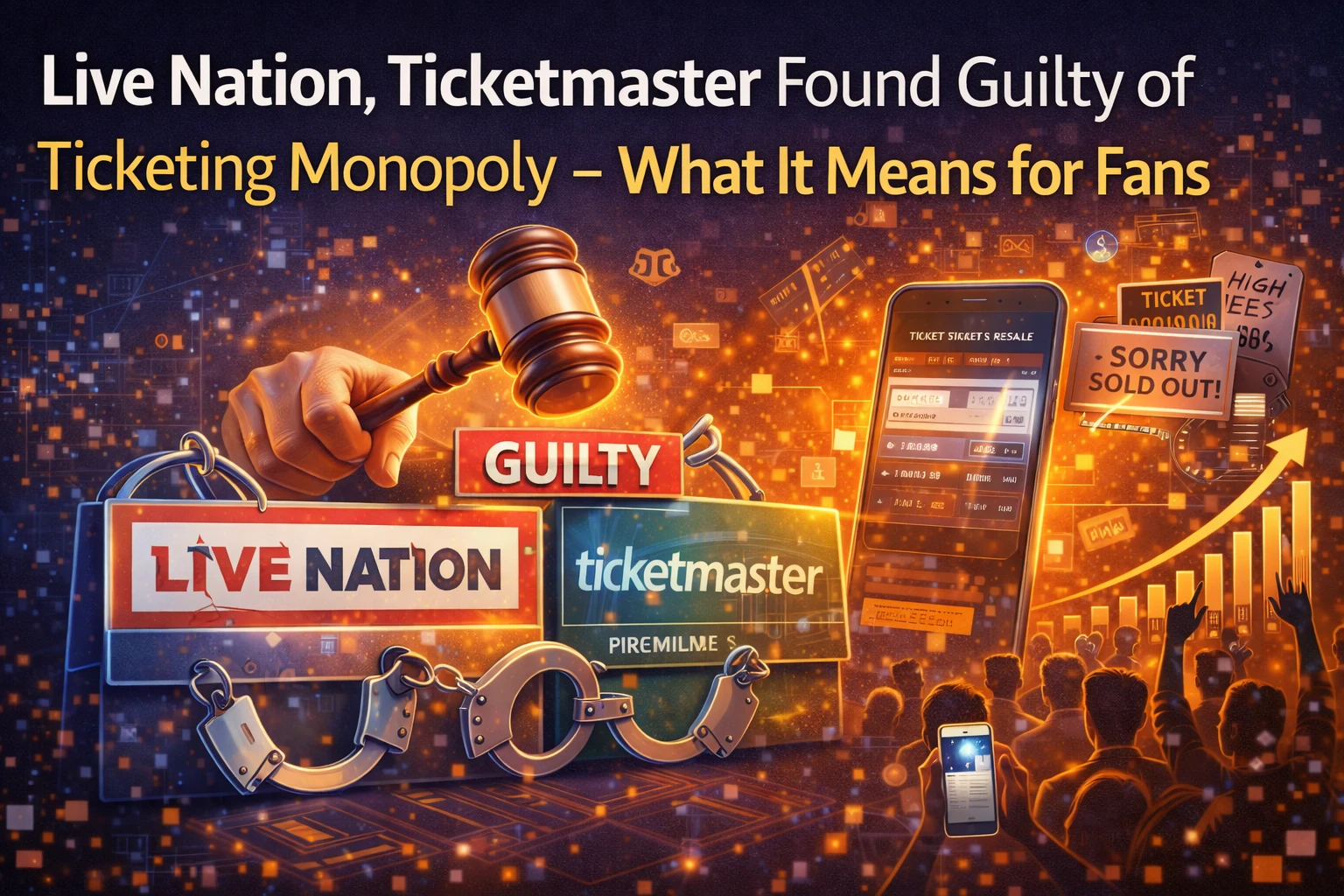
Last week a federal jury in New York delivered a 12‑count verdict that Live Nation Entertainment and its ticket‑selling arm Ticketmaster broke antitrust law. The jury found the duo illegally maintained monopoly power over the U.S. live‑event ticket market – a market worth roughly $25 billion a year.
State attorneys general from 17 states and the District of Columbia had sued the companies after the Department of Justice settled a separate case in 2021. The jury’s decision is the first time a court has officially declared the Live Nation‑Ticketmaster combo a monopoly.
Key facts the verdict reveals
- Live Nation controls about 75% of primary ticket sales for concerts, sports, and festivals in the U.S.
- Ticketmaster’s fees average 15‑20% of the ticket price, with some events pushing the total cost above 30% when service‑charge add‑ons are included.
- The companies were found to have used exclusive contracts with venues, forcing artists to sell tickets only through Ticketmaster.
- Evidence showed they threatened to pull "promoted" placement on their platforms for any venue that tried a rival ticket‑seller.
All of this led the jury to conclude Live Nation and Ticketmaster engaged in “exclusionary conduct” that kept competition out of the market.
Why Indian fans should sit up and take note
India’s live‑event industry is exploding – from stadium concerts of global stars to regional music festivals. While the market is still fragmented, major players like BookMyShow, Paytm Insider, and the new entrants from Amazon and PayPal are all eyeing the same space.
If the U.S. regulator can force a breakup or heavy fines on Live Nation, Indian regulators might follow suit when similar patterns appear here. Think about the last time you tried to buy a ticket for a big concert in Chennai – you probably saw a “Service Fee” that was almost as high as the ticket itself. That’s the kind of markup the jury called out as anti‑competitive.
What does this mean for the Indian ticketing ecosystem?
1. More scrutiny on exclusive contracts. Indian venues may start demanding that they can list tickets on multiple platforms. That could lower fees for fans.
2. Potential for new entrants. If the market opens up, we could see more home‑grown apps offering lower service charges – think of a “Ticketmaster‑Lite” that charges just 5%.
3. Regulatory push. The Competition Commission of India (CCI) has already been watching ticket‑selling practices. This verdict gives them a concrete precedent to act on.
TamilTech’s take – the good, the bad, and the what‑next
Honestly, the verdict feels like a win for the average fan. The monopoly model let Live Nation dictate prices, add hidden fees, and push artists into a single sales channel. That’s why we often see tickets sell out in seconds while the price jumps on the secondary market.
But there’s a flip side. Live Nation also invests heavily in production, stage design, and artist promotion. A broken‑up ticketing arm could reduce the cash flow that funds those big‑budget shows.
For India, the sweet spot is a balanced ecosystem – enough competition to keep fees low, but still enough capital to push world‑class concerts. We’d love to see the CCI issue clear guidelines on venue contracts and fee caps, similar to what the U.S. FTC is considering.
What can you do right now?
- Shop around. Before you click “Buy,” check at least two ticket platforms. Often BookMyShow and Paytm Insider have different fee structures.
- Watch for hidden fees. The base price might look cheap, but service charges, convenience fees, and “processing fees” can add up. Add them up before you confirm.
- Consider resale platforms wisely. If you have to buy from a secondary market, use verified resale options that cap price hikes (like the “Verified Resale” feature on Ticketmaster’s US site).
- Support local artists. Smaller venues often use direct sales or local ticketing partners, which can be cheaper and keep money in the community.
What’s next on the legal front?
The jury’s verdict isn’t the final word. Live Nation has 30 days to appeal, and both parties will likely negotiate a settlement. The Department of Justice may also revisit its 2021 settlement, potentially imposing stricter conditions.
In India, the CCI could launch its own investigation within months, especially if any major Indian promoter signs an exclusivity deal that mirrors the U.S. model.
Bottom line
Live Nation and Ticketmaster’s monopoly has finally been put on trial, and the jury didn’t buy their story. For Indian fans, this is a wake‑up call that ticket‑selling power can be challenged. Keep an eye on fee structures, demand transparency, and push for a market where you don’t have to pay extra just to see your favorite artist live.




Comments (0)
Be the first to comment!