


What happened with Cursor?
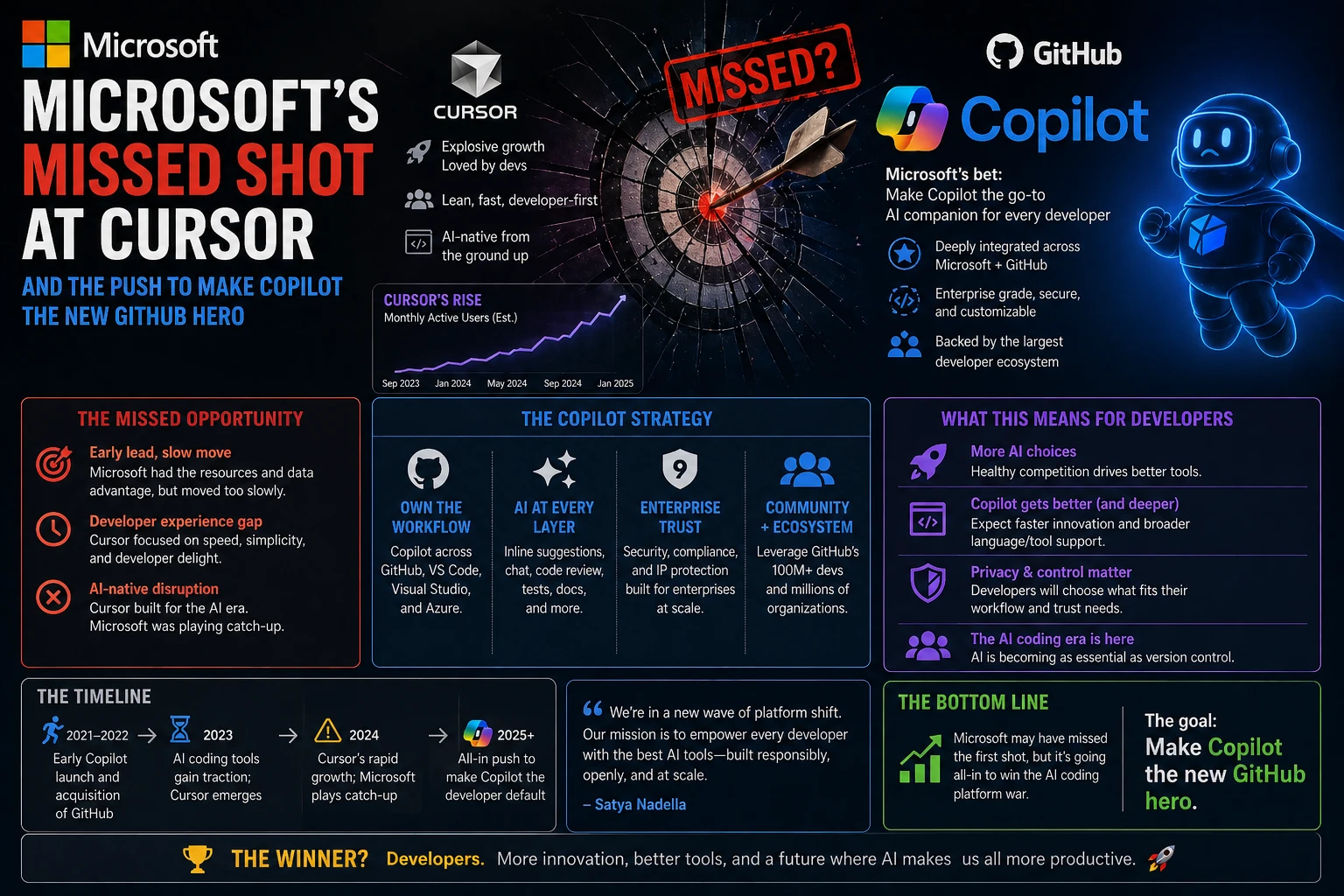
Rumors were swirling for weeks that Microsoft was in talks to buy Cursor, the AI‑code‑assistant that’s been making waves with its "write‑code‑from‑prompt" vibe. Sources say the talks got as far as a term‑sheet, but Microsoft never put in a formal offer. In short, the deal fizzled out before any paperwork was signed.
Why the interest?
Cursor’s tech is built on a large language model that can understand natural‑language prompts and turn them into runnable code snippets. It’s a close cousin to GitHub Copilot, but with a tighter focus on on‑the‑fly code generation inside IDEs like VS Code. For Microsoft, snapping up Cursor would have given them a second‑generation AI coder to complement Copilot, potentially closing the gap with rivals like Google’s Gemini Code and Amazon’s CodeWhisperer.
Microsoft’s current Copilot strategy
Instead of buying a competitor, Microsoft doubled down on Copilot. The company announced a series of upgrades aimed at making the assistant feel less like a "suggestion" and more like a partner. New features include:
- Context‑aware refactoring that can rewrite whole functions based on a single instruction.
- Team‑wide sharing so that a snippet approved by one developer can be pushed to the whole repo with a click.
- Deeper integration with Azure DevOps, allowing Copilot to suggest CI/CD pipelines directly in the pipeline editor.
These moves are clearly meant to lock developers into the Microsoft ecosystem and keep the Copilot subscription numbers climbing.
Impact on Indian developers
India is a massive market for GitHub – over 2 million Indian developers have a GitHub account, and many of them work for startups and SMEs that rely on cost‑effective tooling. Copilot’s pricing in India is ₹1,600 per month for individuals and ₹6,000 per seat per year for teams. The new features could push more Indian devs to adopt the paid plan, especially when the alternative tools (CodeWhisperer, Gemini Code) are either tied to AWS or still in limited beta.
Another angle is the talent‑pipeline. Indian engineering colleges are now adding AI‑coding assistants to their curricula. If Copilot becomes the default teaching tool, graduates will enter the job market already familiar with Microsoft’s stack, giving the Redmond giant an edge in hiring.
TamilTech’s take
We think Microsoft’s decision to walk away from Cursor was smart. Buying a startup just to merge it into Copilot could have created integration headaches and diluted focus. By enhancing Copilot directly, Microsoft keeps the product roadmap clean and can roll out updates faster.
For Indian devs, the real question is value‑for‑money. The new Copilot features sound great, but many freelancers still rely on free versions of AI assistants. If Microsoft wants mass adoption, they need to consider a tiered pricing model or student discounts – something we haven’t seen yet.
What’s next?
Expect Microsoft to announce a few more Copilot add‑ons in the next quarter, possibly a “Copilot for Data” module that can suggest SQL queries and data‑pipeline code. Meanwhile, Cursor will likely keep iterating on its own product and could become a niche competitor for developers who prefer a lightweight, open‑source‑friendly tool.
Bottom line: Microsoft missed a quick acquisition, but the longer‑term play is clear – make Copilot indispensable, and the Indian market will follow.




Comments (0)
Be the first to comment!