


What’s happening?
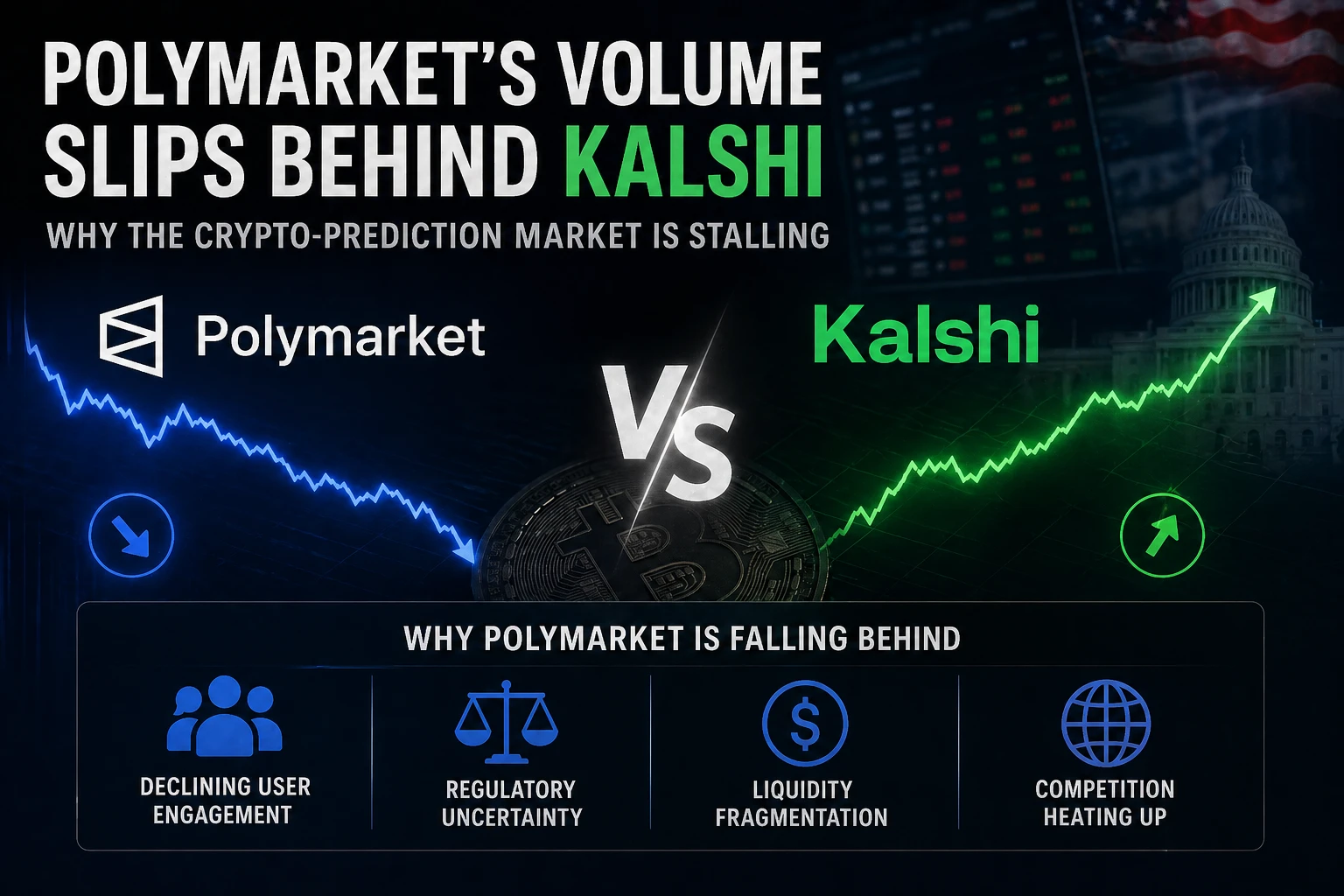
Polymarket, the crypto‑based prediction market that let users bet on everything from elections to Covid‑19 case counts, is seeing its global trading volume shrink. In the last three months Kalshi – a US‑regulated prediction market – has consistently posted higher volume numbers. The shift isn’t a fluke; it’s tied to a series of product delays and a broader user‑confidence dip.
Numbers that tell the story
According to the latest Dune Analytics snapshot, Polymarket’s 30‑day volume dropped from roughly $120 million in January to about $78 million in March. Kalshi, on the other hand, jumped from $45 million to $92 million in the same window. That’s a 35 % swing in Polymarket’s favour and a 104 % boost for Kalshi.
Why does this matter? Volume is the lifeblood of any market – it fuels liquidity, reduces slippage and keeps the order book healthy. When volume stalls, users face wider spreads and a less attractive trading experience.
Product delays – the hidden killer
Polymarket announced a major UI overhaul and a suite of new “binary‑options” contracts in early February. The roadmap promised faster settlement times, better odds‑display and a mobile‑first design. But the rollout kept hitting internal testing snags. By the time the update finally went live in late March, many users had already migrated to Kalshi, which rolled out its own mobile app in January without a hitch.
Each day of delay meant lost trades. For a platform that relies on real‑time sentiment, even a week of downtime can erode trust. Users complained on Discord and Twitter that the old UI was glitchy, odds were stale and withdrawals took longer than advertised.
Regulatory edge for Kalshi
Kalshi operates under a CFTC‑approved framework, which gives it a veneer of legitimacy that Polymarket can’t match. Indian users, especially those who trade via UPI or crypto‑linked wallets, are becoming more cautious after recent regulatory chatter around crypto‑derived products. Kalshi’s compliance badge is a quiet but powerful draw.
Impact on Indian traders
India’s crypto community is still in a growth phase. Many traders use Polymarket because it offers a familiar crypto‑on‑ramp and lower entry barriers. The volume dip means fewer counterparties, higher spreads and slower order fills – all bad news for someone trying to scalp a $10‑$20 move on a political event.
On the flip side, Kalshi’s rising volume is opening up a new avenue for Indian users who are comfortable with traditional finance. The platform accepts fiat deposits via credit‑card and bank‑transfer, which aligns with the way most Indian traders fund their accounts today.
TamilTech‑ஓட கருத்து
We think Polymarket’s stumble is a classic case of “tech‑first, user‑second”. The idea of a decentralized prediction market is exciting, but the execution has to be seamless. In a market where seconds count, a delayed UI or a buggy settlement engine sends users running to the nearest stable alternative – in this case, Kalshi.
For Indian users, the choice now boils down to two paths: stay with Polymarket and hope the next update fixes the pain points, or jump to Kalshi for a smoother, regulated experience. If you’re betting on short‑term political events, you’ll want the platform with the deepest liquidity – right now that’s Kalshi.
What’s next?
Polymarket has hinted at a “Phase‑2” rollout that will integrate Layer‑2 scaling and a new token‑incentive model. If they can pull it off without further delays, the volume gap could close.
Kalshi, meanwhile, is expanding its contract catalogue to include sports and entertainment events – a move that could attract a younger, more speculative crowd.
Bottom line: keep an eye on the volume charts, test both platforms with a small stake, and decide which user experience aligns with your risk appetite.




Comments (0)
Be the first to comment!