


What happened?
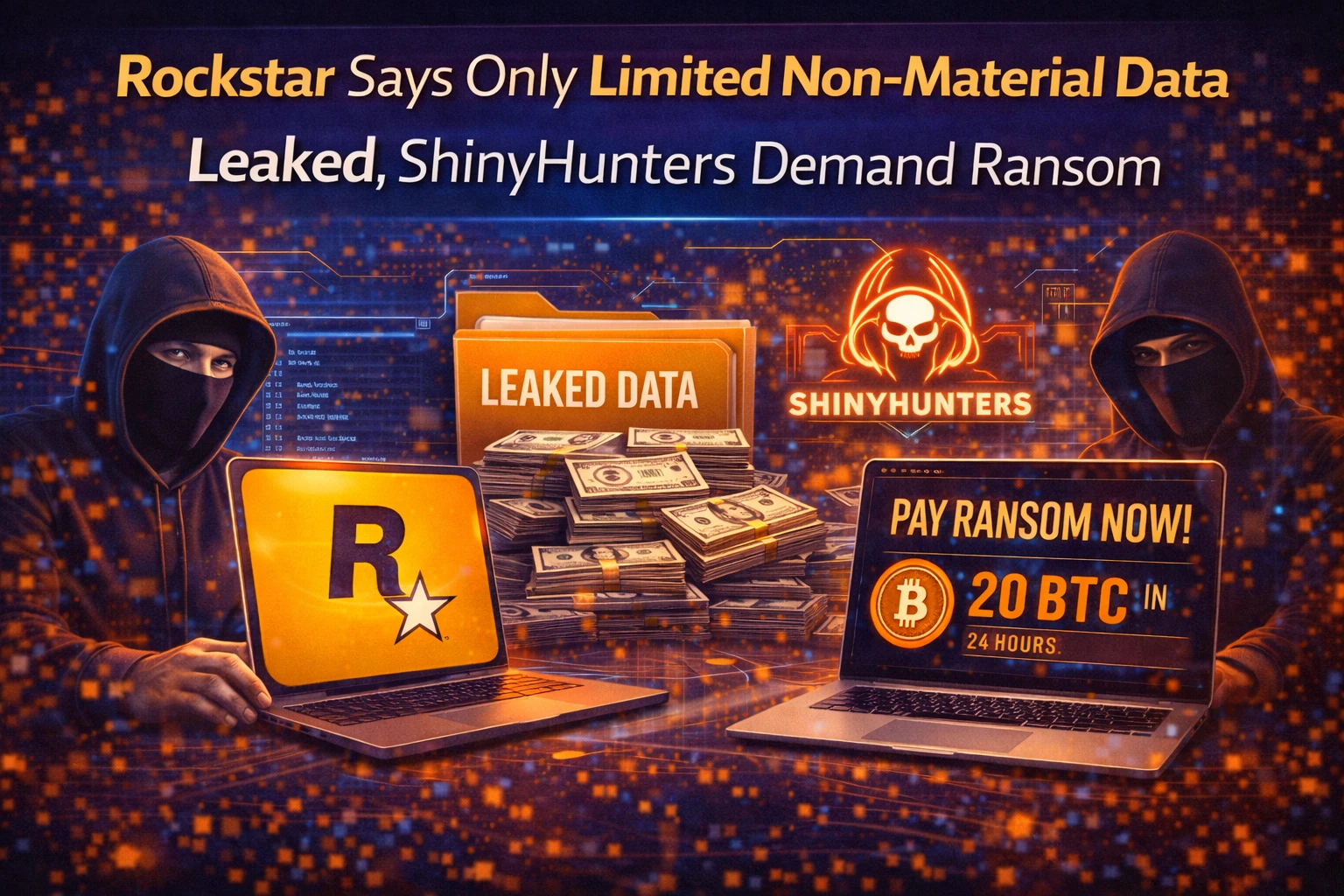
Rockstar Games, the studio behind GTA and Red Dead, announced that a third‑party service they use suffered a breach. The attackers got hold of a "limited amount of non‑material company information" – basically internal docs, some employee emails and a few design mock‑ups. No player data, no credit‑card info, no source code.
Who’s behind the ransom demand?
Enter ShinyHunters – the ransomware crew that’s been popping up in headlines for stealing data from gaming companies, streaming services and even some Indian startups. They claim they have the full dump of the breached files and are demanding a multi‑million‑dollar ransom to delete the data and stop further distribution.
How serious is the leak?
Even though Rockstar says the data is "non‑material," it still includes internal road‑maps and upcoming feature sketches. For a studio that lives on hype cycles, leaking upcoming content can give competitors a leg‑up and fans a spoiler‑fest. The real danger is reputation – if the community thinks Rockstar can’t protect its own assets, trust erodes.
What does this mean for Indian gamers?
Most Indian players use Rockstar’s services via consoles or PC platforms like Steam and Epic. Since no player‑personal data was taken, your GTA Online account, in‑game cash and UPI‑linked purchases are safe for now. However, the breach highlights a bigger issue: many Indian game studios outsource to foreign vendors without strict data‑security audits. If a similar breach hits a local studio, your in‑app purchases could be at risk.
Steps you can take right now
- Check your Rockstar Social Club account for any unusual login activity.
- Enable Two‑Factor Authentication (இரண்டு‑நிலை பாதுகாப்பு) on your account – a code will be sent to your mobile every time you log in.
- If you use the same password on other gaming sites, change it immediately.
What’s the industry reaction?
Security experts are warning that third‑party breaches are becoming the new norm. Instead of protecting the perimeter, companies need a zero‑trust model – every service, even a logging tool, must be verified and encrypted. In India, the upcoming Personal Data Protection Bill (PDPA) might force companies to disclose such breaches faster and impose penalties if they don’t secure vendor chains.
TamilTech‑ஓட கருத்து
Honestly, we think Rockstar handled the communication better than most. They were quick to say what wasn't stolen, which stops panic. But the real story is the ransom demand. ShinyHunters are trying to profit from a breach that didn’t even impact users directly. If they get paid, it sets a dangerous precedent – attackers will keep targeting third‑party services just to extort money, even when the end‑user data is untouched.
What could happen next?
Two scenarios are likely:
- Pay the ransom: ShinyHunters disappear, but the money fuels more ransomware ops.
- Refuse and fight: Rockstar works with law enforcement, tries to sink the data on underground forums, and maybe releases a patch for any vulnerable third‑party APIs.
Either way, we’ll see more headlines about "supply‑chain attacks" – the same kind that hit SolarWinds and, recently, a popular Indian ed‑tech platform.
Bottom line for you
Keep your gaming accounts locked down, watch for any weird emails claiming to be from Rockstar, and stay tuned. If you’re a developer, audit every vendor you work with – a single weak link can expose your whole ecosystem.



Comments (0)
Be the first to comment!