



Key Takeaways
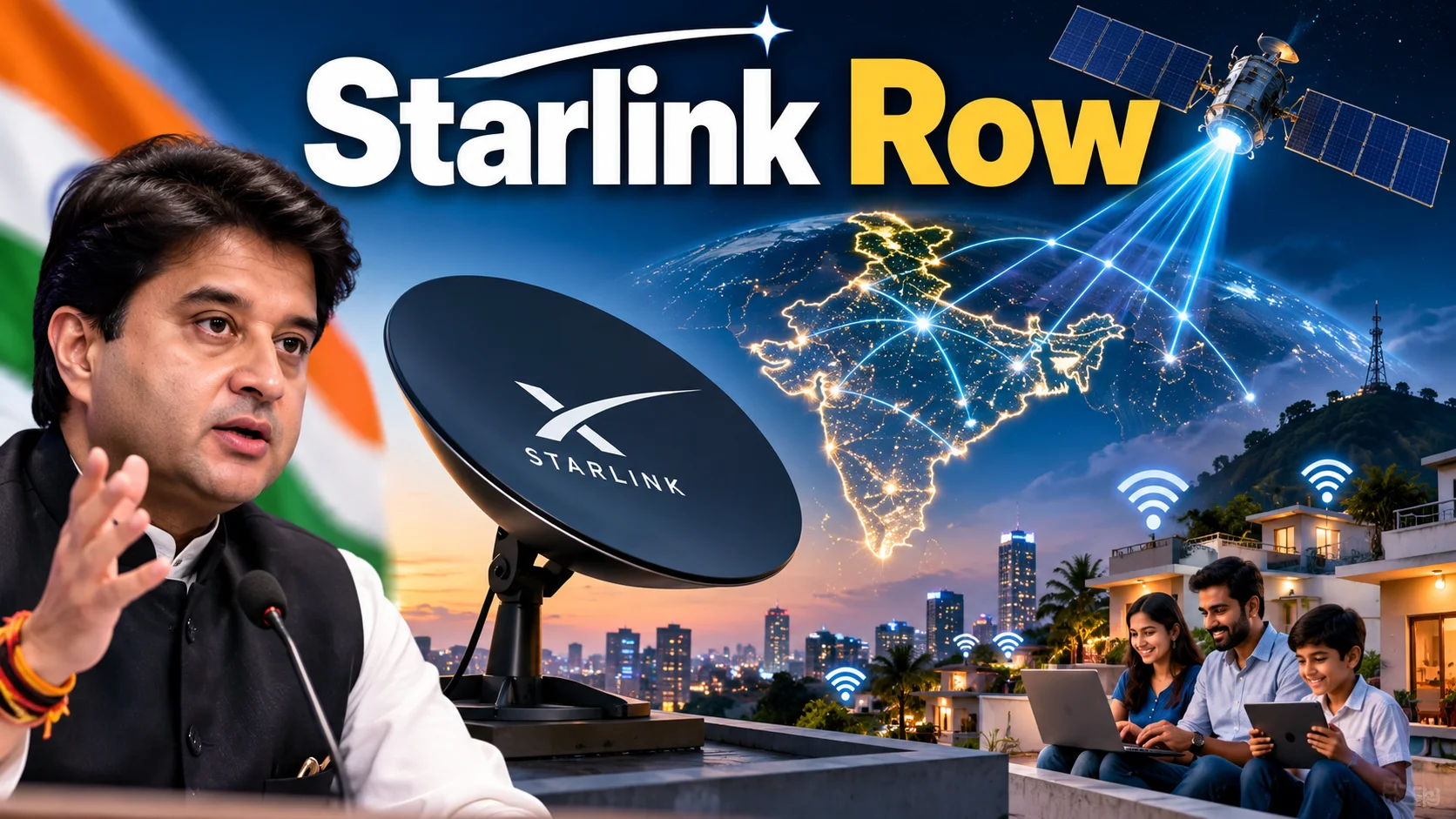
- DoT’s DCC has cleared TRAI’s satellite spectrum recommendations, moving Starlink, OneWeb and Reliance Jio a step closer to commercial launch.
- The cabinet now needs to approve the pricing and allocation framework; once cleared, each operator can start selling services in India.
- Industry estimates suggest satellite broadband could add ₹12,000‑15,000 crore to India’s digital economy by 2028.
- Rural households in states like Bihar, Odisha and the Northeast stand to gain the most, with potential coverage of over 70 % of villages currently lacking fiber.
- Jio’s existing 5G footprint may hybridize with satellite links to backhaul remote towers, reducing rollout cost by up to 20 %.
What's the news
The Department of Telecommunications’ Digital Communications Commission (DCC) has endorsed the spectrum allocation recommendations put forward by the Telecom Regulatory Authority of India (TRAI). This decision paves the way for Starlink, OneWeb and Reliance Jio to proceed with their satellite broadband plans in the country. The final step required is the Union Cabinet’s approval of the pricing and allocation framework that will determine how the spectrum is assigned and what fees the operators will pay. Once the cabinet gives its nod, the DoT will issue the formal spectrum licences, allowing the companies to begin commercial operations.
Details
The spectrum under discussion lies primarily in the 27.5‑30 GHz Ka‑band and the 37.5‑42.5 GHz Q‑band. These bands are favoured for low‑earth‑orbit (LEO) constellations because they provide wide bandwidth, enabling high‑throughput links to user terminals. TRAI’s report recommended a shared‑use model in these bands, with safeguards to avoid interference with existing terrestrial services such as microwave backhaul and satellite TV downlinks. The report also suggested allocating the spectrum on a non‑exclusive, first‑come‑first‑served basis, while imposing a cap on the total amount any single operator can hold to preserve competition. Pricing is expected to follow a two‑part model: an upfront fee for the spectrum block, similar to an auction, and an annual royalty based on the operator’s adjusted gross revenue from satellite services. Industry sources indicate that the upfront fee could be in the range of a few hundred crores per operator, while the annual royalty might be set at a low single‑digit percentage of revenue. The exact numbers are still under discussion within the cabinet, but the framework aims to balance revenue generation for the government with affordability for service providers. Once the framework is approved, the DoT will issue letters of intent. Starlink, which has already run a beta service in select Indian locations, plans to expand to a nationwide rollout targeting both consumer and enterprise segments. OneWeb, after completing its constellation, aims to offer enterprise‑grade links and wholesale capacity to telecom operators looking to augment their backhaul. Jio, leveraging its massive retail and digital ecosystem, intends to bundle satellite broadband with its existing JioFiber and JioAirFiber offers, especially for remote villages where laying fiber is economically unviable.
India impact
Satellite broadband has the potential to bridge the connectivity gap that still affects millions of Indians. According to the latest government data, around 600 million people live in areas where fixed‑line broadband penetration is below 10 %. LEO constellations can deliver speeds of 50‑200 Mbps with latency under 50 ms, sufficient for video conferencing, online education and tele‑medicine. Economic analysts project that the satellite broadband market could generate ₹12,000‑15,000 crore in direct revenue by 2028, with ancillary benefits in e‑commerce, digital payments and remote work adding another ₹8,000‑10,000 crore. States with difficult terrain – such as Arunachal Pradesh, Himachal Pradesh and the Sundarbans – are expected to see the earliest adoption because terrestrial infrastructure deployment remains costly and time‑consuming there. For Reliance Jio, the satellite link offers a way to backhaul its 5G towers in remote regions without laying costly microwave or fiber links. This could reduce the capital expenditure for extending 5G coverage by an estimated 15‑20 %, accelerating the government’s goal of 5G for all by 2030. The hybrid model may also improve network resilience during natural disasters when terrestrial links are disrupted. Competition among the three players is likely to keep prices competitive. Early indications suggest consumer plans may start at around ₹799 per month for 100 GB of data, with enterprise packages priced higher based on service level agreements. The availability of multiple options could also drive innovation in bundled services, such as combining satellite broadband with OTT subscriptions or cloud storage.
Use cases
1. Education – Schools in hill districts can access online classrooms and digital libraries without waiting for terrestrial infrastructure, enabling students to participate in national level exams and skill development programs.
2. Healthcare – Tele‑medicine centres in remote blocks can connect to specialist hospitals in real time, facilitating timely diagnosis and reducing the need for patient travel.
3. Agriculture – Farmers can receive weather forecasts, market prices and advisory services via video calls, improving decision making and reducing post‑harvest losses.
4. Disaster management – Emergency response teams can set up temporary communication hubs using satellite terminals, ensuring coordination when ground networks are damaged.
5. Enterprise connectivity – Small and medium enterprises in underserved areas can adopt cloud‑based ERP and CRM tools, widening their market reach and improving operational efficiency.
Honest take
The clearance by the DCC marks a significant milestone, but the real test lies in the cabinet’s approval of pricing and allocation. If the fees are set too high, the business case for satellite broadband could weaken, especially for price‑sensitive rural consumers. Conversely, a balanced framework could stimulate healthy competition, drive down costs and accelerate digital inclusion. The success of this initiative will also depend on how quickly user terminals become affordable and locally available. Starlink’s beta experience shows promise, but scaling to millions of households will require a robust supply chain and after‑sales support network. OneWeb’s wholesale focus may complement telcos looking to extend 5G, while Jio’s integrated approach could offer the most seamless experience for end‑users. Overall, the move has the potential to reshape India’s broadband landscape, provided regulatory and market forces align in favor of affordability and accessibility.



Comments (0)
Be the first to comment!