


Key Takeaways
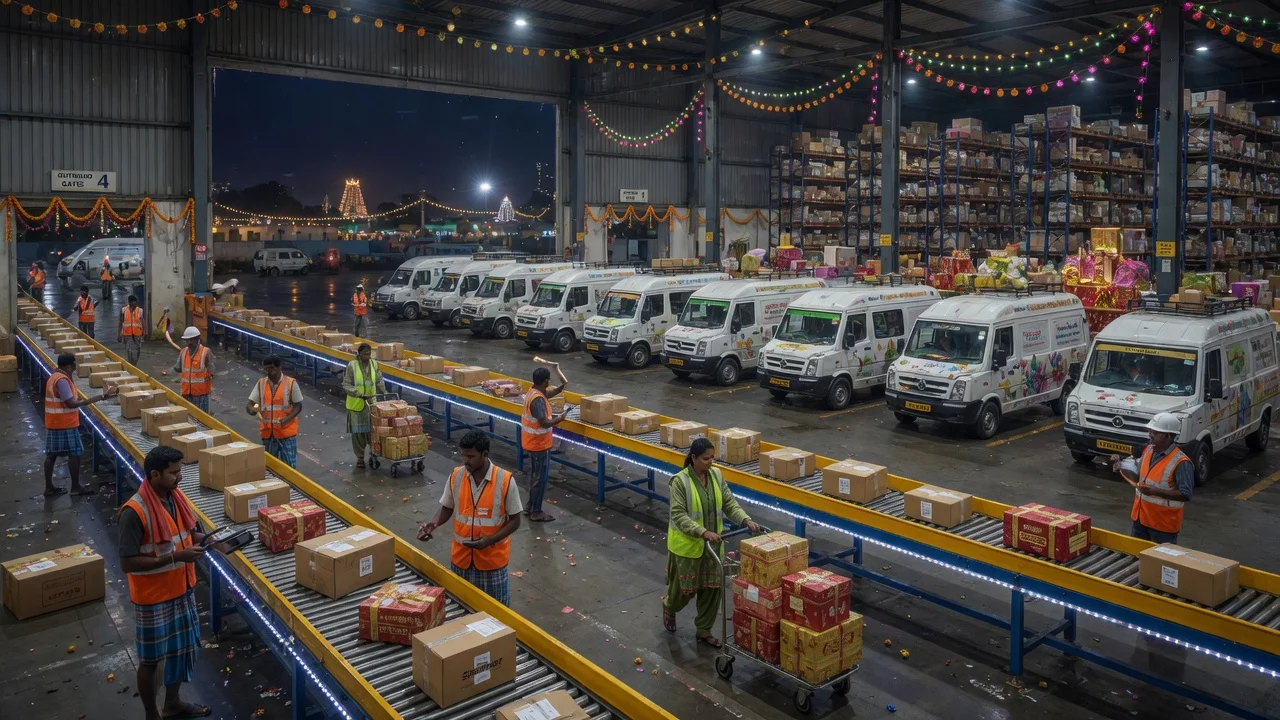
- Amazon has opened 20 new fulfilment centres across India ahead of the 2026 festive season.
- The expansion also includes six sortation units and 150 last-mile delivery stations.
- The move targets faster deliveries during peak shopping months like Diwali and the year-end sales.
- More local inventory means better reach for tier-2 and tier-3 cities competing with Flipkart.
- Sellers and buyers both stand to gain from reduced transit times and higher stock availability.
What's the news
Amazon is not playing around this festive season. The company has ramped up its India logistics network in a big way by launching 20 fulfilment centres, six sortation units and 150 last-mile delivery stations. This is classic Amazon timing - get the warehouses and vans ready before the Diwali shopping madness kicks in.
For anyone who has waited three days for a phone case or watched a package bounce between hubs, this matters. Fulfilment centres hold the actual products. Sortation units decide which truck or van the parcel jumps on next. Last-mile stations are the final hop that gets the box to your gate. Amazon just added a lot more of all three.
India's e-commerce calendar peaks hard between September and November. Great Indian Festival on Amazon and Big Billion Days on Flipkart turn the country into a shopping battlefield. Adding capacity now means Amazon wants fewer "out of stock" messages and more same-day or next-day options when everyone is hunting for phones, appliances, clothes and gifts.
Details
Let's break down what these numbers actually mean on the ground. Twenty new fulfilment centres is a serious inventory play. These are the big warehouses where sellers send stock and Amazon stores popular items closer to demand. More centres usually translate to products sitting nearer to buyers in cities that previously relied on distant hubs.
Six sortation units sit in the middle of the chain. Think of them as traffic cops for packages. They receive sorted inventory from fulfilment centres and route it toward the right last-mile stations. Without enough sortation capacity, even full warehouses create bottlenecks. Amazon clearly wants packages moving instead of sitting in queues.
Then come the 150 last-mile delivery stations. This is the part customers actually feel. These stations handle the final stretch - the bike or van that shows up at your society gate. More stations usually mean denser coverage, shorter delivery radii and the ability to promise tighter delivery windows. In India that also helps with COD collections, returns pickups and those last-minute address changes everyone loves making.
The timing is no accident. Festive demand in India is not a gentle rise. It spikes. Electronics, fashion, home goods and beauty all explode at once. Payment methods shift heavily toward UPI and cards, but cash-on-delivery still holds strong in many pockets. A thicker logistics net helps Amazon absorb that volume without the usual festival-week meltdowns.
Amazon has been building this muscle for years, but this particular burst of 20 + 6 + 150 is clearly aimed at the 2026 festive window. Expect more pin codes to get next-day eligibility and more sellers to see faster inventory turns if the network is utilised well.
India impact
This is not just Amazon flexing. It directly shapes the Flipkart vs Amazon fight that every Indian shopper lives through every October. Flipkart has its own warehouse and delivery muscle, backed by Walmart. When one side adds capacity, the other feels pressure to match speed and availability. Shoppers win when both keep raising the bar.
Tier-2 and tier-3 cities stand to gain the most. Metro customers already enjoy decent delivery speeds. The real gap has always been smaller towns where a package might travel across states. More fulfilment centres and last-mile stations pull inventory closer and cut that travel. If you live in a place where "Amazon delivery" used to mean three to five days, this expansion could quietly change that.
Sellers feel it too. Faster network means less capital stuck in slow-moving stock and fewer cancelled orders because something took forever. For small and mid-size sellers who rely on Amazon's logistics rather than their own fleet, extra capacity is free infrastructure they can ride.
There is also a jobs and gig angle. Fulfilment centres need warehouse staff. Sortation units need more hands. Last-mile stations feed the delivery partner ecosystem - the folks on bikes and vans who actually knock on doors. Expansion of this scale usually creates short-term hiring spikes around the festive period and some permanent roles after.
Payment behaviour in India stays unique. UPI has made checkout frictionless, yet COD refuses to die. A denser last-mile network helps Amazon handle cash collections and reverse logistics more cleanly. That reliability matters when festive returns start pouring in after Diwali.
One quiet effect: better stock positioning can reduce the need for expensive air shipping during peak weeks. Ground network strength usually beats last-minute flight chaos on both cost and predictability.
Use cases
Picture ordering a mid-range smartphone two days before Diwali. With more fulfilment centres holding popular models closer to your city, the chance of next-day delivery jumps. Same story for air fryers, mixers, LED lights and those last-minute kurta sets everyone suddenly needs.
Fashion and lifestyle categories love this. Festive wear has short demand windows. If the nearest fulfilment centre has the right size in the right colour, you get it before the function. If not, you refresh the page and watch the delivery estimate stretch. Extra centres reduce those heartbreaks.
Grocery and everyday essentials also benefit when last-mile density improves. Amazon Fresh and similar offerings depend on proximity. More stations mean more pin codes can support quick grocery slots instead of multi-day waits.
Sellers running lightning deals during Great Indian Festival get a quieter win. Higher throughput capacity means their inventory clears faster and they can restock mid-sale instead of watching listings go inactive. That keeps the sale energy going instead of dying after the first 48 hours.
Even returns become less painful. A denser station network makes pickup scheduling easier. In a country where trying clothes and sending half of them back is normal behaviour, reverse logistics capacity is almost as important as forward delivery.
Honest take
Look, Amazon throwing 20 fulfilment centres, six sortation units and 150 delivery stations at the festive season is exactly the kind of move you expect from a company that treats logistics as its real product. The shopping app is just the front end. The warehouses and vans are the engine.
For buyers this is mostly good news. Faster delivery estimates, better stock availability and fewer "delayed due to high volume" messages during Diwali week. Competition with Flipkart should keep both sides honest on speed and pricing.
That said, more warehouses and vans also mean more pressure on roads, more packaging waste and continued reliance on a gig workforce that often works under tough conditions. Amazon and every other platform still have work to do on how delivery partners are treated when volumes explode.
Will this expansion magically make every pin code next-day? No. Geography and density still matter. But it should shrink the gap between metros and the next ring of cities. If you have been stuck with slow Amazon deliveries in a smaller town, this is one of the more concrete upgrades you will actually feel.
Bottom line: Amazon is treating the 2026 festive season like a logistics war, not just a marketing campaign. The 20 + 6 + 150 package is a clear signal that capacity is the new battleground. Shoppers should enjoy the speed. Sellers should watch their inventory placement. And Flipkart will almost certainly answer with its own moves. That is how Indian e-commerce keeps getting better for the rest of us.





Comments (0)
Be the first to comment!