


What’s the buzz?
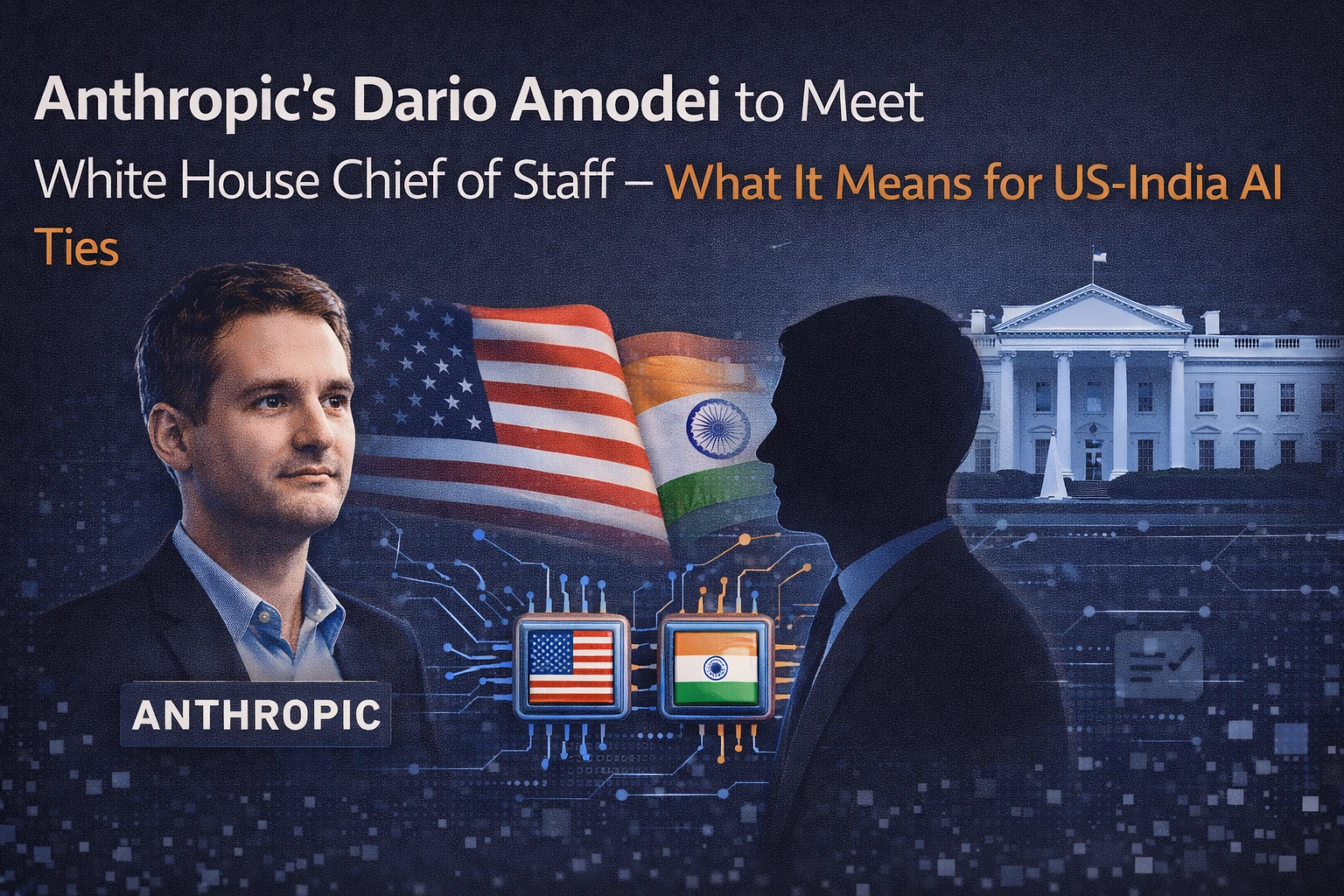
On Friday, Dario Amodei – the brain behind Anthropic’s Claude series – will meet Susie Wiles, the White House Chief of Staff. The talk is expected to focus on clearing the air after the Pentagon put a hold on Anthropic’s $1.5 billion contract. For Indian tech watchers, this isn’t just a US‑centric drama; it could set the tone for how government‑backed AI projects are handled worldwide, including the fast‑growing Indian market.
Quick background
Anthropic, the San‑Francisco AI lab founded by former OpenAI researchers, landed a massive deal with the Department of Defense earlier this year to develop “secure‑by‑design” large language models for classified use. After a few months, the DoD raised concerns over export‑control compliance and paused the contract. The pause put a $1.5 billion budget on hold and sparked a blame‑game between the Pentagon and Anthropic’s leadership.
Why the White House is stepping in
Susie Wiles, who has been steering the WH’s day‑to‑day agenda, is now the go‑to person for any high‑stakes negotiation that could affect national security and tech policy. By bringing Amodei into the Oval Office, the administration signals two things:
- It wants to keep the US at the forefront of frontier AI without losing control over export‑sensitive tech.
- It’s testing a new playbook – letting private AI firms discuss compliance directly with senior staff instead of the usual back‑and‑forth with the Pentagon.
What’s at stake for Anthropic?
If the meeting goes well, Anthropic could get the DoD contract back on track, unlock the $1.5 billion funding, and prove its compliance framework works. That would be a massive validation for its “Constitution‑first” safety approach, which many Indian AI startups look up to.
India angle – why should we care?
India’s AI ecosystem is booming: the government announced a ₹2,500 crore AI fund last year, and Indian startups are already partnering with US firms on language‑model research. A smooth resolution between Anthropic and the Pentagon could mean:
- More clarity on export‑control rules for Indian companies looking to sell AI services abroad.
- Potential collaborations – the US may invite Indian labs to co‑develop “trusted AI” modules for defense.
- Boosted confidence for Indian investors – a stable US market means less risk for cross‑border AI funds.
What does this mean for Indian users?
While the meeting is high‑level, the ripple effect could land in your inbox:
- Better‑secured AI assistants – Anthropic’s Claude models are known for lower hallucination rates. If they get the DoD green light, we may see a consumer‑grade version in India sooner.
- More government‑backed AI projects – the Indian Ministry of Electronics & IT could push for similar “secure‑by‑design” contracts with local firms, mirroring the US approach.
- Regulatory clarity – the US‑India dialogue on AI safety may lead to a joint “AI export‑control guideline” that Indian startups can follow.
TamilTech‑ஓட கருத்து
Honestly, this meeting could be a turning point. If Amodei walks out with a handshake, it shows that even the biggest defense players are willing to give private AI firms a chance, provided they play by the rules. For India, that’s a green light to step up our own compliance game. The Indian government has been vague on export‑control for AI; a clear US example could push us to draft stricter, but more predictable, guidelines.
What to watch next
Within the next week we’ll likely see a joint statement – either a “contract reinstated” press release or a “mutual‑respect” note about re‑evaluating compliance pathways. Keep an eye on:
- Any new export‑control clauses added to the Anthropic‑DoD contract.
- Announcements from the Ministry of Electronics & IT about defence‑AI pilots.
- Indian AI startups citing Anthropic’s safety framework in their pitch decks.
Bottom line: This isn’t just a US‑only squabble. It’s a signal that the next wave of AI funding will come with a heavy compliance tag, and Indian players need to be ready.

Comments (0)
Be the first to comment!