


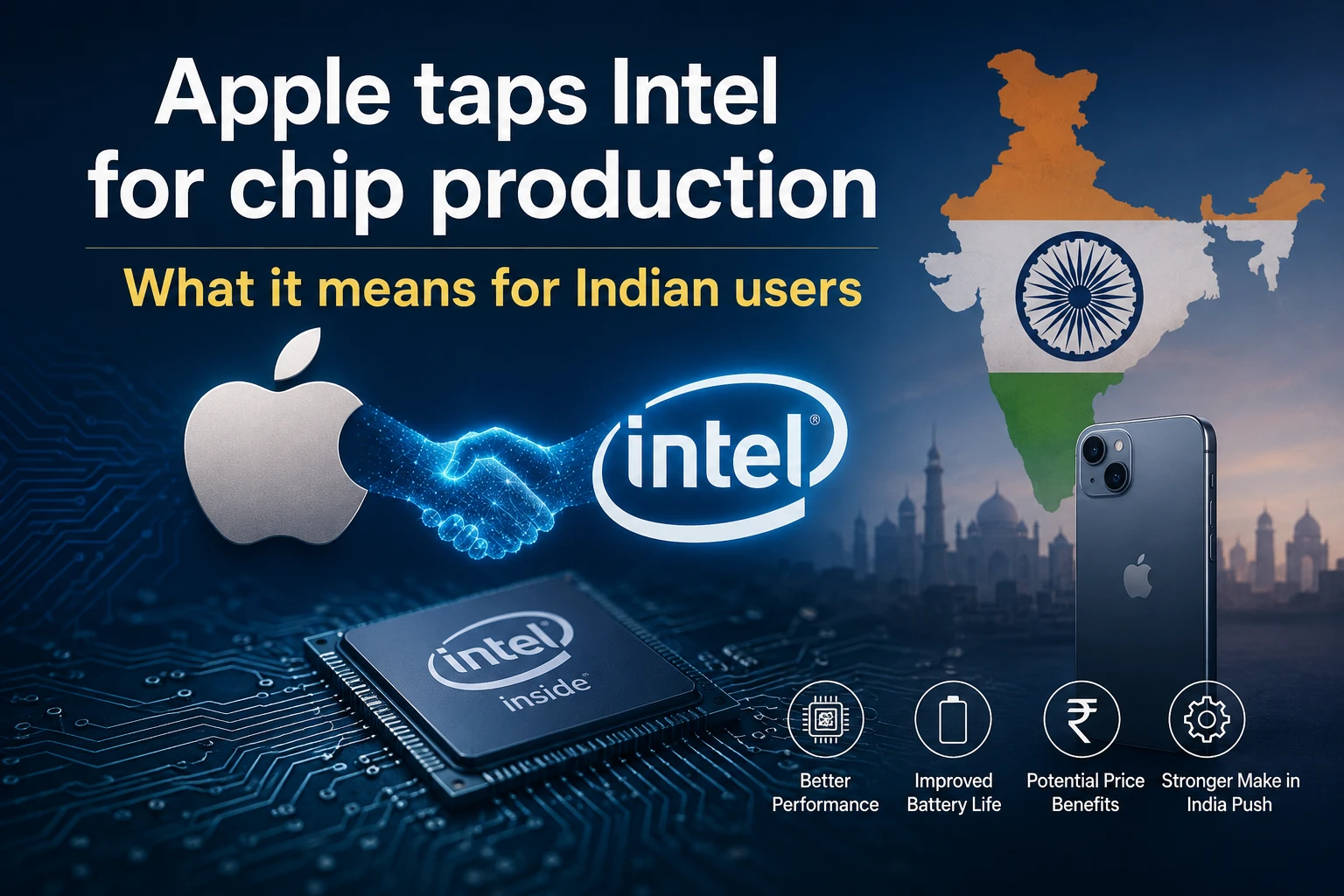
Apple and Intel – the unexpected partnership
Okay, let’s break it down. After years of Apple designing its own silicon, the company quietly signed a formal agreement with Intel. Intel will now manufacture a portion of Apple’s next‑gen chips in its advanced fabs. The news hit the market in the last few weeks and Intel’s stock jumped 13.93% on the day the deal was confirmed.
Why would Apple need Intel?
Apple’s in‑house M‑series chips have been a massive hit, but the demand for iPhone, iPad and Mac silicon is exploding. Apple’s own fabs in the US can’t keep up with the volume needed for the global market, especially with the rollout of 5G and new form‑factors like the Vision Pro. By outsourcing a slice of production to Intel, Apple gets extra capacity without having to build another fab.
What exactly is Intel delivering?
Intel isn’t taking over Apple’s flagship silicon. The agreement covers the manufacturing of certain A‑series and possibly lower‑tier M‑series chips that will power upcoming iPhone 16 models and next‑generation iPad Air. Intel will use its 7nm process (Intel 4) to churn out these dies, which means power efficiency and performance should stay on par with Apple’s own expectations.
Numbers that matter
- Intel’s stock rose 13.93% on the announcement – a clear market vote of confidence.
- Apple is expected to ship over 200 million iPhones in FY2024; even a 5% shortfall in capacity would mean 10 million units delayed.
- India accounts for roughly 5% of Apple’s global sales, translating to about 10 million devices a year.
Impact on Indian users
Here’s where it hits home for us:
- Pricing stability. Historically, a hiccup in chip supply pushes Apple to raise prices in markets like India, where import duties already add a hefty premium. More capacity should keep the price tags from ballooning.
- Availability. You’ve all experienced the ‘out‑of‑stock’ panic during new iPhone launches. With Intel’s extra output, retailers might see fewer “sold‑out” signs in the first week.
- Local ecosystem boost. More iPhones mean higher demand for accessories – cases, chargers, and especially Apple‑compatible smart‑home devices that are gaining traction in Indian metros.
TamilTech’s take
We think this is a smart move for Apple, but it also opens a few questions. Intel’s fabs are located in the US and Europe, not in India. So the supply‑chain advantage is still global, not local. However, the extra capacity could indirectly benefit Indian consumers by keeping the supply steady and preventing price hikes.
On the flip side, if Intel faces its own yield issues – which it has in the past – Apple could be caught between two suppliers and might have to shift more production to TSMC, which could again tighten supply.
What’s next?
Watch for Apple’s upcoming September event. If new iPhone models are indeed powered by Intel‑made chips, we’ll see the branding on the box and probably a note in the tech specs. Also keep an eye on the Indian market’s price trends in the weeks after launch – a stable price would be a good indicator that the Intel partnership is working.
Bottom line for Indian shoppers
- Don’t expect a sudden price drop, but expect less volatility.
- If you’ve been waiting for the next iPhone, the chances of a stock‑out this time are lower.
- Keep checking local retailers and online stores for early‑bird offers – the supply chain is now a bit more robust.
That’s it from TamilTech. Stay tuned for more updates as the story unfolds.




Comments (0)
Be the first to comment!