


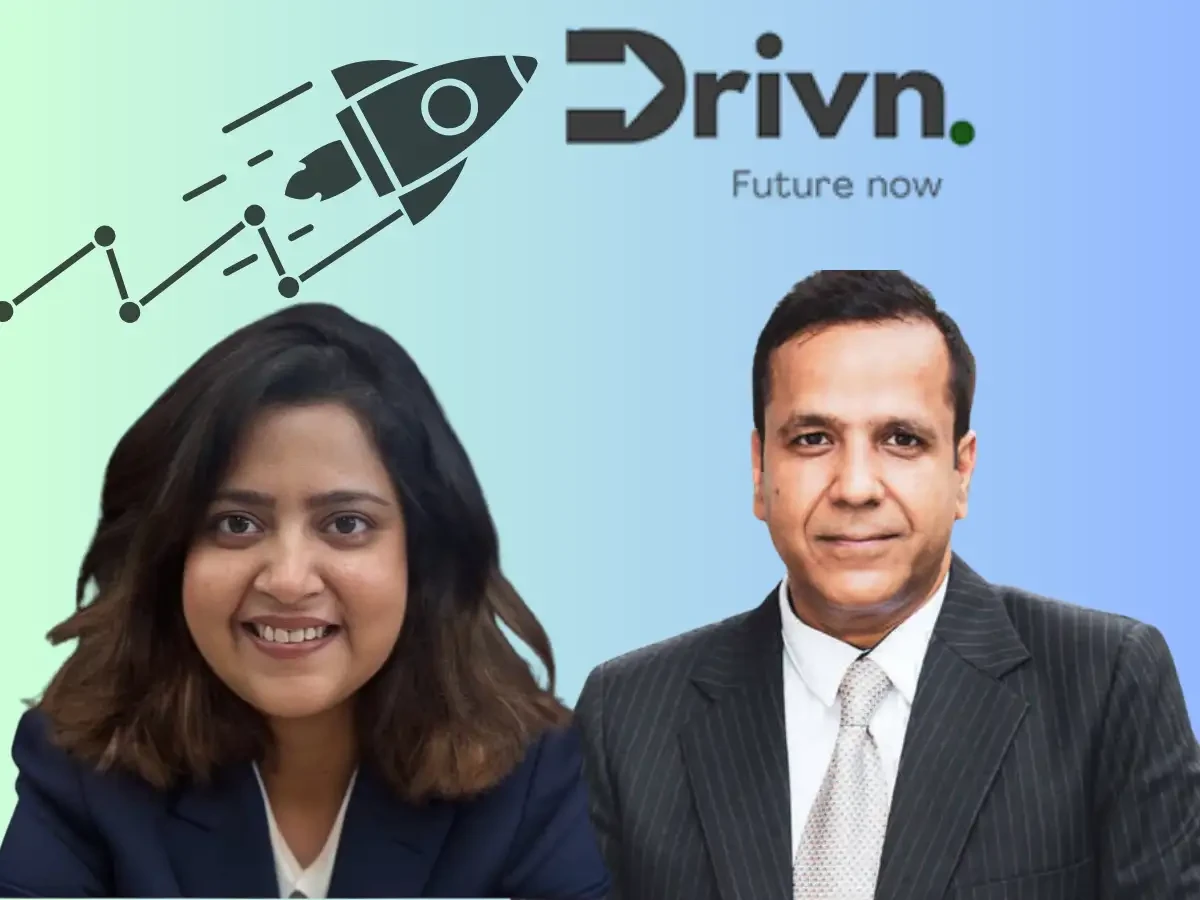
In a major boost for India's commercial EV ecosystem, Gurugram-based electric mobility startup Drivn has secured an $80 million (₹680 crore) financing commitment from Japanese financial giant Nomura. The deal marks one of the largest financing rounds for an Indian electric commercial vehicle platform.
Funding Structure
- Amount: $80 million (~₹680 crore)
- Structure: Senior secured debt with an equity component
- Deployment: Two tranches, commencing February 2026
- Investor: Nomura (Japan's largest investment bank)
- Upsize option: Facility can be increased from time to time
What is Drivn?
Founded in 2025 by Manav Bansal and Alpna Jain, Drivn is a full-stack electric mobility platform focused on large commercial vehicles:
- Business model: Buys, owns, and leases electric buses and trucks under long-term contracts
- Technology stack: Integrated platform covering charging infrastructure planning, battery lifecycle management, fleet operations, and end-of-life solutions
- Focus segments: Intercity transport and heavy trucking — sectors underserved by traditional financiers
- Headquarters: Gurugram, Haryana
Deployment Plan — 1,000 EVs by Q4 FY27
The Phase 1 deployment plan is ambitious:
- Target: ~1,000 electric buses and heavy trucks
- Timeline: Deployments commencing February 2026 through Q4 FY27
- Routes: Intercity transport corridors and industrial logistics routes
- Sectors served: Logistics, cement, steel, and other hard-to-abate industries
Why Nomura Invested
Kushagra Pant, Managing Director and Head of Private Credit, Asia ex-Japan at Nomura, highlighted why Drivn stood out:
"Heavy commercial transport represents the most high-impact leverage point for decarbonisation. Drivn stood out for us because it is not approaching this as a financing play alone, but as a long-term infrastructure platform."
Impact on India's EV Goals
Drivn's platform directly supports India's national targets:
- 30% EV penetration by 2030 — Government's stated target for commercial vehicles
- Scope 3 emissions reduction — Helps logistics, cement, and steel companies reduce their carbon footprint
- Budget 2026 tailwinds — The Union Budget allocated significant funds for EV infrastructure and green mobility
- FAME III subsidies — Government incentives for electric bus procurement by state transport corporations
The Commercial EV Opportunity in India
| Metric | Current | Projected 2030 |
|---|---|---|
| Electric bus fleet | ~7,000 | 50,000+ |
| Electric truck adoption | Early stage | Significant growth |
| Charging infra (commercial) | Limited | Major expansion |
| Market opportunity | Emerging | ₹50,000+ crore |
Competitive Landscape
Drivn competes with and complements other players in India's commercial EV space:
- Olectra Greentech — India's largest electric bus manufacturer
- PMI Electro Mobility — Bus manufacturer with state contracts
- Tata Motors — Expanding electric bus range
- Ashok Leyland (Switch Mobility) — Electric bus OEM
Drivn differentiates by being a platform rather than a manufacturer — it provides the financial and operational infrastructure for EV adoption in commercial transport.





Comments (0)
Be the first to comment!