

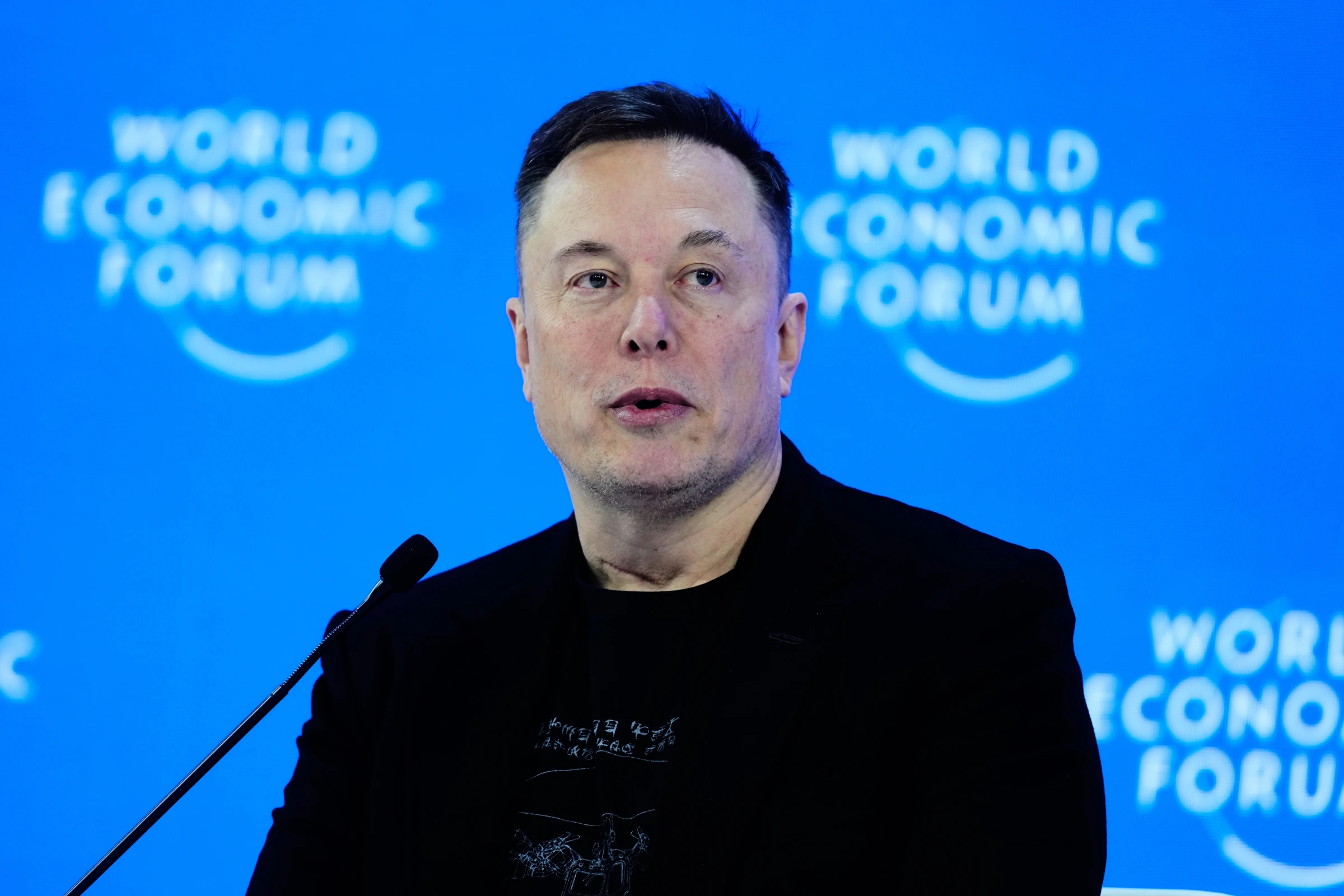
One tweet. Eight percent crash. $2.6 billion lawsuit.
Back in May 2022, Elon Musk tweeted that the Twitter deal was "temporarily on hold" because of concerns about bots and fake accounts. Twitter shares fell 8% almost immediately. Thousands of investors who sold their shares in the weeks that followed lost serious money.
Fast forward to March 2026 — a California civil jury just ruled that Musk did that on purpose. He intentionally misled those investors to create panic, drive the stock price down, and look for a way out of the $44 billion deal he'd agreed to.
Wait, let's back up — what actually happened in 2022?
Okay so the whole Twitter saga is honestly one of the most chaotic corporate stories in recent tech history. Musk agreed to buy Twitter for $44 billion in April 2022. Then in May, he posted: "Twitter deal temporarily on hold pending details supporting calculation that spam/fake accounts do indeed represent less than 5% of users."
So who sued him this time?
An investor named Giuseppe Pampena filed a civil lawsuit on behalf of all the Twitter shareholders who had sold their shares between May 13 (the day of the tweet) and October 4, 2022 (the day the deal was finalized). Their argument: Musk's tweet was deliberate market manipulation. He posted that bot tweet specifically to tank the stock and create an excuse to back out of a deal he regretted.
Musk's lawyers argued the opposite — that he had genuine concerns about bots and was simply being transparent. The jury didn't buy it.
How much money are we talking?
The damages haven't been finalized yet, but Pampena's attorney told CNBC that they could reach up to $2.6 billion. That sounds like a lot — and it is, for most humans on the planet. But Elon Musk's net worth is currently estimated by Bloomberg at over $660 billion. So $2.6 billion would be roughly 0.4% of his net worth. It's like a billionaire paying a ₹400 fine for something that cost others ₹1 lakh. Annoying, but not life-changing for him.
This isn't his first tweet-related legal mess
Here's the thing — this is literally not the first time Musk has gotten into serious legal trouble over a single tweet. Back in 2018, he tweeted that he had "secured funding" to take Tesla private at $420 per share. Tesla shares spiked immediately. The SEC charged him with securities fraud, arguing the funding was not actually secured and the tweet was misleading.
Musk eventually settled with the SEC, paid a $20 million fine, and agreed to have his Tesla-related tweets pre-approved. He later fought to get out of that oversight agreement. And now, years later, here he is again — a jury finding that another tweet misled investors. Some people never learn, or maybe they just don't need to when you're worth $660 billion.
What does this mean for X users in India?
Directly? Not much immediately. X (formerly Twitter) is still operating normally in India, and this verdict doesn't change that.
But there are broader implications worth thinking about. X is still a major platform where Indian politicians, journalists, celebrities, and businesses communicate. SEBI (India's market regulator) actually watches foreign legal precedents closely — if US courts are increasingly holding platform owners accountable for market manipulation via tweets, expect Indian regulators to pay more attention to social media posts that affect Indian stock prices too.
We've already seen cases in India where stock tips shared on WhatsApp groups and Telegram channels have attracted SEBI scrutiny. If a platform owner himself is now legally liable for how his own tweets move markets, that sets an interesting precedent for how regulators everywhere think about social media and financial markets.
My honest take
Look, I'm not going to pretend I'm shocked. This was a civil case, not criminal, so Musk won't go to jail — he'll just have to write a large check. And $2.6 billion, as outrageous as it sounds, barely dents his fortune.
What strikes me more is the pattern. This is at minimum the second time in less than a decade that a jury or regulator has found his tweets misleading to investors. At what point do platforms — including X itself — have stricter rules about what their owners can post about deals that directly affect stock prices? Musk owns the platform and sets its content rules. There's a genuinely weird conflict of interest in that.
The people who got hurt here weren't hedge funds or big banks. They were regular investors who sold their Twitter shares after the tweet because they thought the deal was falling apart. They made a reasonable decision based on information from the company's prospective owner — information that a jury now says was deliberately misleading. That's not okay, $660 billion net worth or not.
What happens next
The damages phase will now play out — the jury has ruled on liability (yes, he misled them), and now the court will figure out exactly how much he owes. That number could be anywhere from a few hundred million to the $2.6 billion ceiling that Pampena's lawyers are pushing for.
Musk's team will almost certainly appeal. This could drag on for another year or two before any money actually changes hands. In the meantime, Musk continues running X, Tesla, SpaceX, xAI, and apparently also the US government. Busy man.
Whether this verdict changes anything about how he communicates publicly? Honestly, probably not. But it should.
Frequently asked questions
5
What did Elon Musk tweet that misled Twitter investors?
In May 2022, Musk tweeted that the Twitter deal was 'temporarily on hold' due to concerns about bots and fake accounts. Twitter shares fell 8% that day. A jury ruled in 2026 that this tweet was intentionally misleading — designed to tank the stock and help Musk exit the $44 billion deal.
How much will Elon Musk have to pay Twitter investors?
Damages haven't been finalized yet, but the plaintiff's attorney says they could reach up to $2.6 billion. For context, Musk's net worth is estimated at over $660 billion, so it's a small fraction of his wealth.
Did Elon Musk win or lose the Twitter lawsuit?
The civil jury ruled against Musk — finding he intentionally misled investors. However, this is a civil case, not criminal, so he won't face jail time. He'll likely have to pay financial damages after the sentencing phase.
Is this the first time Elon Musk was sued over tweets?
No. In 2018, the SEC charged Musk with securities fraud over a tweet claiming he had 'secured funding' to take Tesla private. He settled for $20 million and agreed to have his Tesla-related tweets pre-approved by lawyers.
Does this Elon Musk verdict affect X users in India?
Not directly for daily users. But it sets a precedent that social media posts — even from platform owners — can constitute market manipulation. Indian regulators like SEBI may watch such precedents when dealing with social media's influence on Indian stock markets.
Get tomorrow’s tech news on WhatsApp
One short update a day, free. Follow the TamilTech channel.
What do you think?

Keerthika is an editor at TamilTech, the Tamil and English technology publication founded by Praveen Kumar S. She covers AI, smartphones, gadgets, EVs, startups and cybersecurity i...
More from KeerthikaAsk TamilTech on WhatsApp
Tech doubt? Ask in Tamil or English — our WhatsApp assistant answers from TamilTech articles in seconds.
Related stories

 Next story
Qualcomm Layoffs: Internal Memo Confirms Worldwide Job Cuts
Next story
Qualcomm Layoffs: Internal Memo Confirms Worldwide Job Cuts

TamilTech
Install app for faster access
Only the big updates. No spam, switch off any time.
Comments (0)
Be the first to comment!