


Key Takeaways
- Flipkart is piloting its branded food delivery service, “Eat In,” exclusively among employees in Bengaluru.
- The trial targets the quick-commerce and food ordering market, where Zomato and Swiggy already hold the lead.
- Employee testing allows rapid iteration on delivery routes, payment flows, and restaurant onboarding before a public launch.
- By leveraging Flipkart’s logistics network and UPI-based payment infrastructure, “Eat In” could offer differentiated pricing for restaurants and consumers.
- If community uptake is strong, the service may expand to other metros and integrate with Flipkart’s broader ecosystem of groceries, dining, and lifestyle products.
The Bengaluru Pilot and What It Means
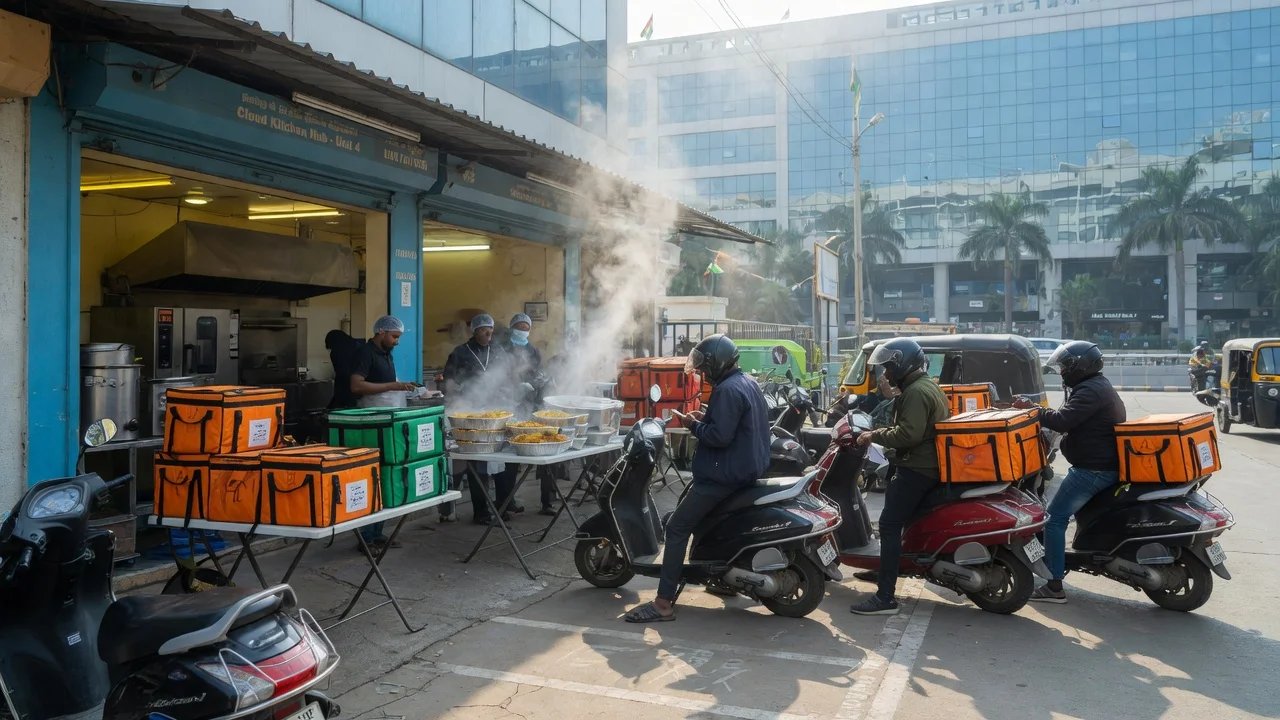
Flipkart, one of India’s largest e-commerce platforms, has quietly begun a soft launch of its new food delivery venture called “Eat In.” The testing phase is limited to employees in the company’s headquarters city, Bengaluru.
This closed beta approach is a deliberate strategy to iron out operational kinks before entering a saturated market. Employees are using the platform to place orders from nearby eateries, giving Flipkart’s internal teams real-time feedback on user interface stability, delivery timelines, and payment success rates. Bengaluru was chosen likely due to its dense food culture, high restaurant count, and Flipkart’s large employee base in technology and operations.
Understanding “Eat In”
“Eat In” is positioned as Flipkart’s answer to the fragmented nature of food ordering apps that Indians use daily. Unlike a basic aggregator, Flipkart’s model could integrate closely with its existing supply chain. The aim appears to be creating a one-stop platform where users can order restaurant meals alongside groceries and electronics.
By leveraging Flipkart’s decades of experience in last-mile delivery, the service may offer faster turnaround times, especially during peak hours. The branding itself suggests a focus on dine-in or premium home-delivery experiences, distinguishing it from budget takeaway-only apps. The company is testing whether a single app can handle both physical goods and temperature-sensitive food items in one ecosystem.
The Market Landscape
India’s food delivery ecosystem is governed by two giants: Zomato and Swiggy. Together, they command the vast majority of the quick-commerce and food ordering market. Their dominance is built on brand recall, restaurant loyalty programmes, and heavy discounting during the early growth phase.
However, quick-commerce platforms like Blinkit, Zepto, and Instamart have blurred the lines between grocery and food. Flipkart already operates Impact.com for resale and has been simmering in the quick-commerce space. “Eat In” represents the next phase: using Flipkart’s customer trust to pull restaurants and users away from pure-play aggregators. The question is whether Flipkart can bundle food orders with its existing wallet and logistics services at a price point that disrupts current app market share.
Why Employee Testing Matters
Testing with employees first is a tried-and-tested method across the Indian tech sector. It allows for rapid iteration without the pressure of public scrutiny. Flipkart’s engineers, supply chain experts, and data analytics teams can simulate handling thousands of concurrent orders.
They can identify rider hot-spot imbalances, test new routing algorithms for Bengaluru’s traffic patterns, and refine customer support scripts. For Bengaluru itself, the city’s geography—hilly areas like Koramangala and Jayanagar, tech corridors like Whitefield—makes it an ideal stress test. Employee feedback loops are faster, and any service breakdown can be patched before it reaches the wider customer base.
India Impact and UPI Angle
Any new food delivery app entering India must optimise for UPI. Flipkart Pay Later, UPI auto-pay, and its existing wallet infrastructure can be woven into “Eat In” to reduce friction at checkout. For restaurants, especially small and mid-sized kitchens in tier-1 and tier-2 cities, a Flipkart-backed platform could offer better discoverability without the exorbitant commissions charged by current gatekeepers.
The company’s ability to negotiate logistics at scale means “Eat In” might eventually support subscription boxes, office meal plans, and festival catering—segments that tie back to Flipkart’s enterprise and B2B ambitions. If successful, it could also push inventory to nearby dark stores similar to the quick-commerce model, reducing delivery time from 40 minutes to under 20.
Use Cases in Daily Life
Imagine a Flipkart employee working late in an office park when a sudden craving hits. “Eat In” could offer a seamless experience: order a meal, pay via UPI, and track delivery through the same app used for shopping.
For college students in areas like Jayanagar or Koramangala, a cheaper, no-subscription meal plan bundled with Flipkart Student plans could be a draw. On weekends, the service might expand into premium dining experiences or custom meal kits delivered to home. Flipkart’s warehouse network can potentially be used to store pre-prepared meal inventory, cutting down delivery time and improving margins.
Honest Take — The Road Ahead
While the interest around “Eat In” is strong, the path to profitability is narrow. Food has lower margins than grocery or electronics, and customer acquisition costs are rising due to cash burn. Zomato and Swiggy have achieved significant economies of scale, making it tough for new entrants to break even.
Flipkart’s challenge is not just delivery logistics but also restaurant operations: cold chain management, food safety compliance, and consistent quality control. The quick-commerce market in India is a battle of proximity. Owning inventory near the user is key, and Flipkart would need to densely micro-fulfil food items, which is different from moving boxes from a central warehouse.
That said, Flipkart is not starting from scratch. Its logistics partners, existing merchant relationships, and deep understanding of data analytics give it a backhand advantage. If “Eat In” succeeds in Bengaluru, the rollout could be staggered to other metros like Delhi, Mumbai, and Chennai. The real test will be whether it can retain restaurant partners who are already wary of discounting wars and aggressive rider competition.
Frequently Asked Questions
Q: What is “Eat In”?
A: It is Flipkart’s internally tested food delivery brand currently being piloted among employees in Bengaluru. The platform aims to connect users with restaurants and food sellers through Flipkart’s ecosystem.
Q: When will the public launch happen?
A: No official timeline has been announced. The employee testing phase typically lasts several weeks before a wider city rollout. Based on industry norms, a public debut could follow if the pilot shows strong uptake and operational stability.
Q: How is “Eat In” different from Swiggy or Zomato?
A: While the end user experience may resemble existing food apps, “Eat In” is anticipated to leverage Flipkart’s existing logistics, payment rails, and merchant network to potentially offer integrated services across groceries and food.
Q: Will “Eat In” work in smaller cities?
A: That depends on rivalry with existing players and the density of Flipkart’s own logistics presence. Tier-2 cities already have fragmented food delivery, so a unified app with Flipkart branding could gain traction if settlement cycles and order volumes are healthy.
Q: Can I use UPI on “Eat In”?
A: Assuming a full launch, Flipkart’s payment infrastructure heavily supports UPI. It is highly probable that users will be able to complete orders through UPI apps, wallet balances, or Flipkart’s own digital payment tools.

Comments (0)
Be the first to comment!