


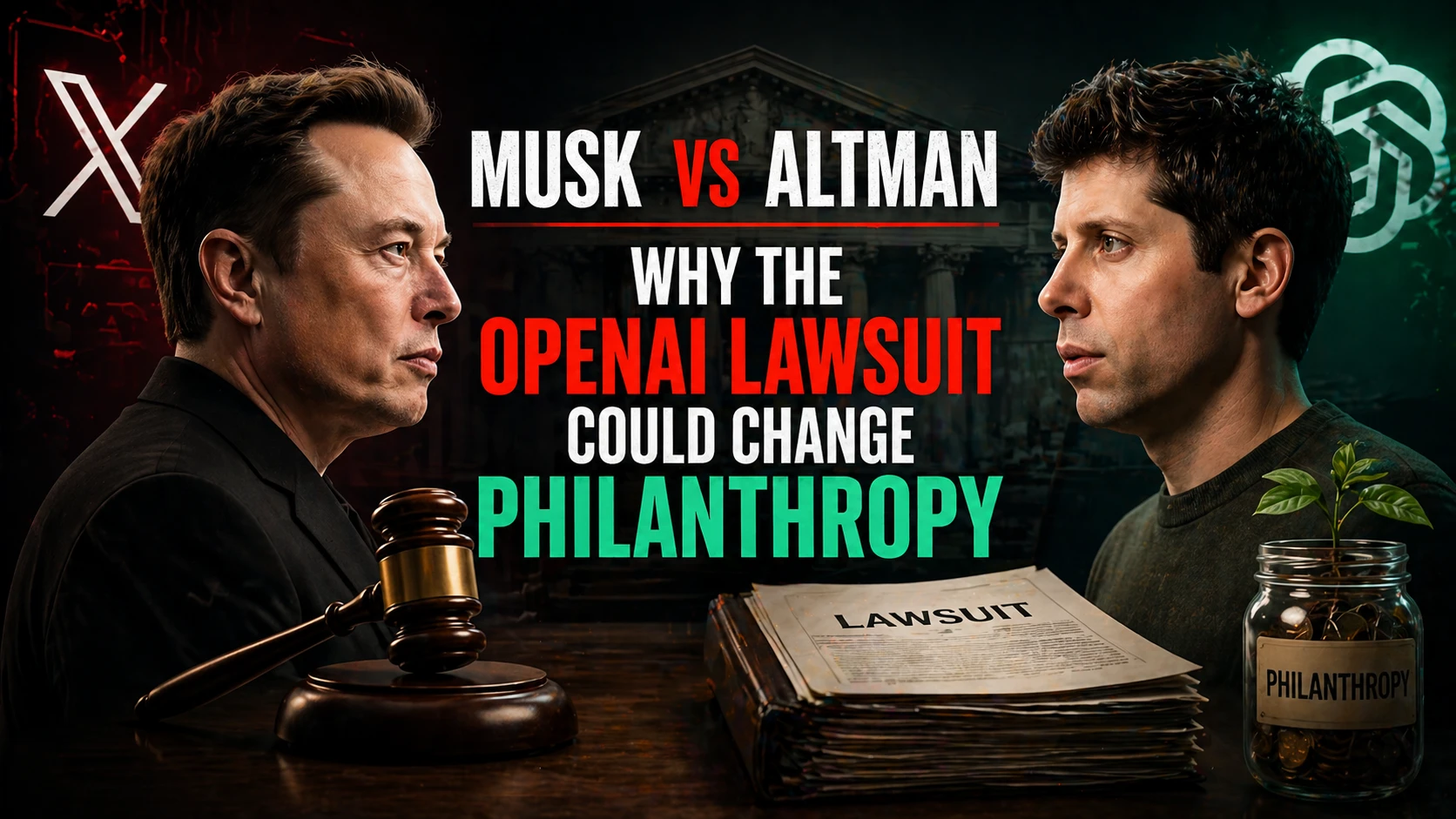
What sparked the courtroom drama?
Elon Musk, the guy behind SpaceX and Tesla, walked into a US court this week and filed a lawsuit against OpenAI, the creator of ChatGPT. His claim? OpenAI broke the promise it made when it was founded as a non‑profit, and now it’s acting like a for‑profit startup that’s stealing the spirit of a charitable AI research lab.
In plain words, Musk says OpenAI’s recent pivot to a capped‑profit model and its massive fundraising rounds (the latest $10 billion valuation) mean the organization is no longer “not‑for‑profit” as it claimed. He argues that donors, including his own early contributions, were misled.
The legal angles
The lawsuit targets OpenAI’s board and its recent investors, alleging breach of fiduciary duty and fraud. Musk’s legal team also claims that the shift violated the original charter that required the lab to share its breakthroughs with the world, not lock them behind a paywall.
OpenAI’s lawyers fire back, saying the charter was always meant to evolve, and that the capped‑profit structure still limits returns to investors – a compromise between pure charity and commercial viability.
Why does this matter for Indian startups?
India’s AI ecosystem is buzzing with government‑backed labs and private‑non‑profits that rely on grants from NGOs and corporates. If a high‑profile case like this sets a legal precedent, funders might become wary of supporting AI research that could someday “go commercial.” That could slow down projects at IIT‑Madras’s Centre for AI, or the AI labs at ISRO.
On the flip side, a clear legal framework could give Indian philanthropists confidence that their money won’t be hijacked by a sudden IPO. Think of the recent $250 million fund announced by the Indian government for AI in health – donors would want guarantees that the tech stays open and affordable.
What’s the Indian user angle?
Most of us in India interact with ChatGPT through the free tier or the paid Plus plan. If OpenAI’s model shifts more aggressively towards profit, we might see higher subscription fees, or even region‑locked features. Imagine a future where Indian students can’t access the latest language model because it’s priced in dollars.
Moreover, the lawsuit could affect partnerships with Indian companies. Several Indian ed‑tech platforms have integrated ChatGPT‑based tutoring. A legal cloud over OpenAI could force them to look for alternatives – maybe home‑grown models like AI4Bharat’s “Bhashini.”
TamilTech’s take
We think Musk’s move is a double‑edged sword. On one hand, keeping AI research truly open is essential – otherwise, the technology could become a monopoly for the richest players. On the other hand, building world‑class models costs billions, and a pure charity model can’t sustain that.
In our view, the right path is a hybrid: a transparent charter, capped returns, and a legally binding clause that a certain percentage of breakthroughs stay open‑source. If the US courts force OpenAI to adopt something like that, Indian NGOs could use it as a template.
What’s next?
The case is still in the early filing stage – a judge will decide if it proceeds to discovery. Expect a flurry of statements from both sides in the next few weeks. Meanwhile, keep an eye on the pricing of ChatGPT Plus in India – any sudden hike could be a signal that OpenAI is feeling the heat.
For Indian developers, now might be a good time to experiment with open‑source alternatives. The community around LLaMA, StableLM, and the Indian “Bhashini” project is growing fast, and they’re all free to use under permissive licenses.
Bottom line: Musk vs Altman isn’t just a celebrity clash. It’s a warning bell for anyone who believes AI should stay a public good. The outcome will ripple through funding, product pricing, and the very ethos of AI research – both in Silicon Valley and here at home.


Comments (0)
Be the first to comment!