


What’s the buzz?
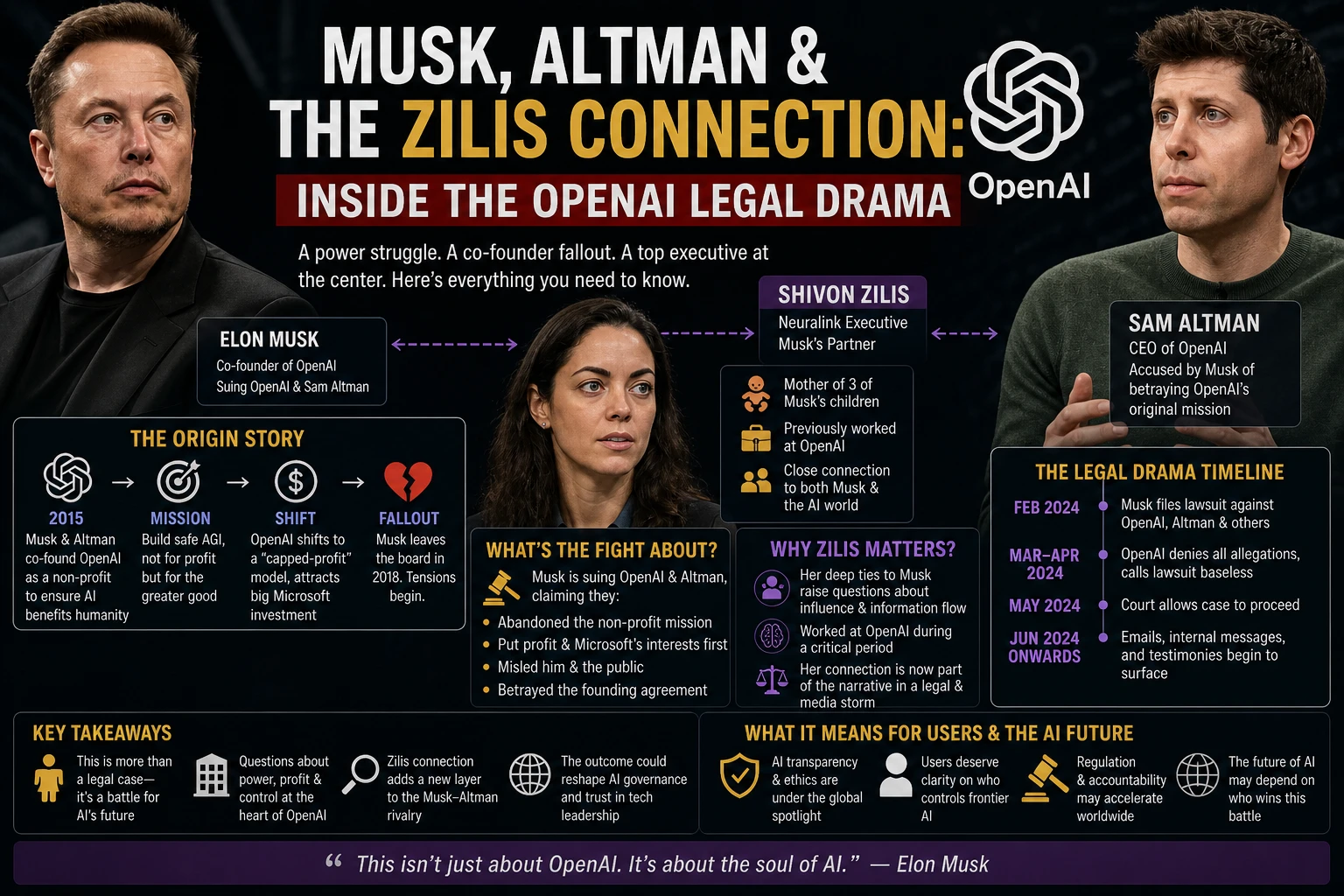
Elon Musk and Sam Altman, the two biggest names in the AI arena, are back in the headlines – not for a new product, but for a courtroom showdown. OpenAI’s lawyers have filed a motion claiming that Shivon Zilis, a long‑time Musk employee and mother of four of his children, acted as a covert liaison between Musk and OpenAI during the company’s critical early days.
Who is Shivon Zilis?
Shivon Zilis is a veteran AI strategist who joined Neuralink in 2017 and later moved to Tesla’s Autopilot team. She’s also known for being one of Musk’s personal contacts and, according to court filings, a mother to four of his children. While she’s never held a formal title at OpenAI, the lawsuit alleges she passed confidential information and strategic advice from Musk to the OpenAI board, effectively becoming a hidden middle‑man.
The legal claim
OpenAI’s counsel argues that Zilis breached a non‑disclosure agreement (NDA) signed in 2020 and that her communications gave Musk an unfair edge in influencing OpenAI’s direction. The filing includes dozens of email excerpts, Slack messages, and calendar invites that allegedly show Zilis scheduling private calls between Musk and Altman, sharing internal memos, and even suggesting policy tweaks.
Why does it matter?
If the court finds Zilis guilty of NDA violations, it could set a precedent for how AI companies protect their trade secrets. More importantly, it could expose the behind‑the‑scenes power plays that shape the AI models we use daily – from ChatGPT to new generative tools emerging in India.
Impact on Indian AI users
India’s AI market is booming, with startups leveraging OpenAI APIs for everything from regional language chatbots to automated content creation. A legal ruling that tightens confidentiality rules could slow down third‑party access to cutting‑edge models, potentially raising costs for Indian developers who rely on OpenAI’s platform.
TamilTech’s take
We think this drama is a classic case of “old guard vs. new guard” in tech. Musk wants to keep a hand on AI’s future, while Altman is steering OpenAI toward a more open, commercial path. Using a personal confidante like Zilis to sneak messages feels old‑school, but it also shows how personal relationships still matter in high‑stakes tech battles.
For Indian entrepreneurs, the takeaway is simple: diversify your AI providers. Relying solely on OpenAI could become risky if legal restrictions tighten. Look at alternatives like Anthropic, Google Gemini, or home‑grown models trained on local data.
What’s next?
The court is expected to rule on the motion by the end of Q3 2026. Both sides have hinted at a possible settlement, but with the stakes high, a drawn‑out battle is likely. Keep an eye on the filings – every email snippet could reveal new insights into how AI governance is being negotiated behind closed doors.
Stay tuned, because the outcome will ripple through AI policy, venture funding, and the tools we use in everyday life.

Comments (0)
Be the first to comment!