


What the numbers say
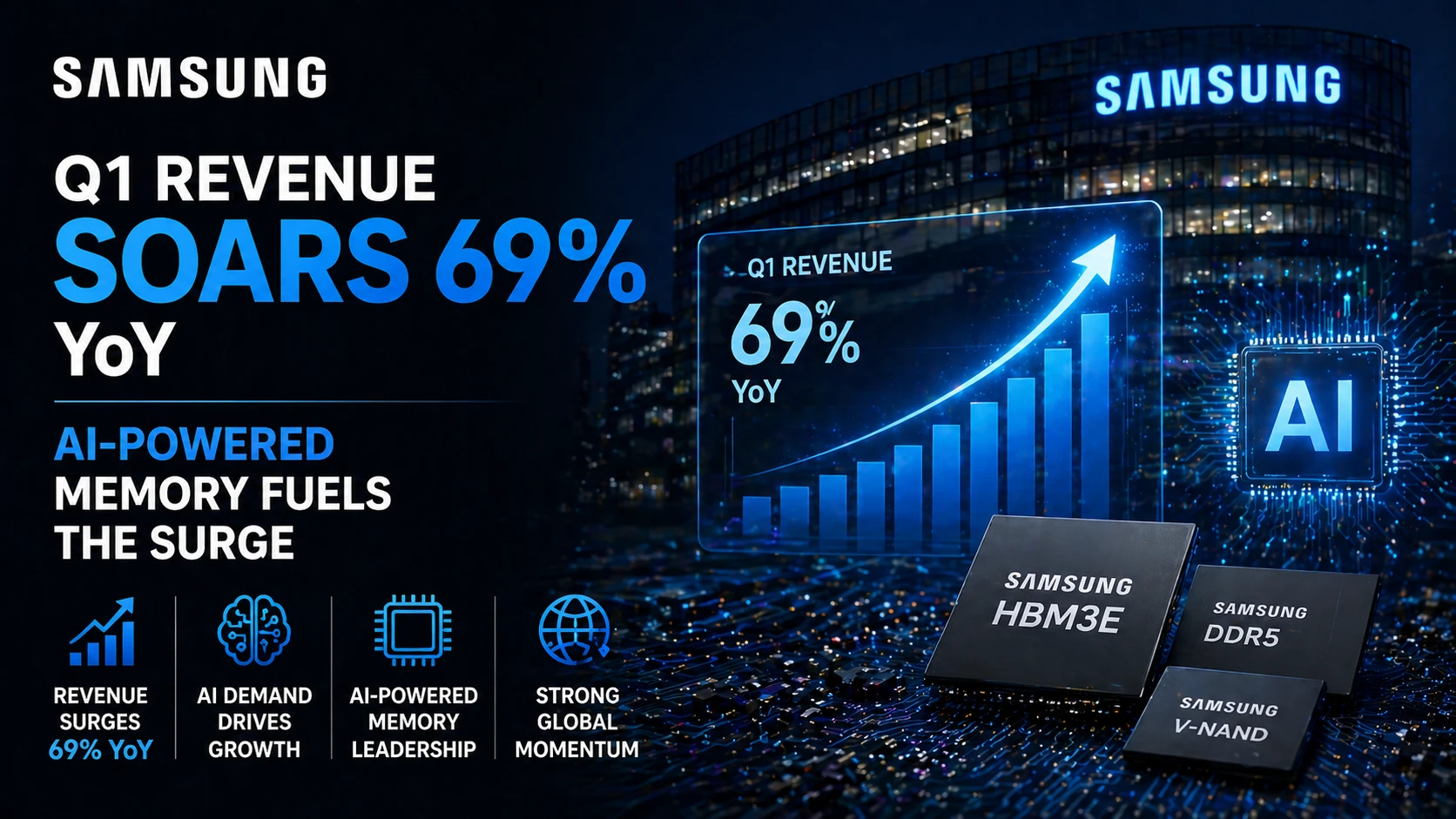
Samsung Electronics just reported its Q1 2024 financials and the headline numbers look like a straight‑up fireworks show. Revenue hit roughly US$90.2 billion, a 69% jump from the same period last year and just a hair above analysts’ estimate of $89.4 billion. Even more eye‑catching is the operating profit – it climbed to about US$38.5 billion, a staggering 756% increase versus Q1 2023, edging past the consensus forecast of $37.2 billion.
What’s driving this massive lift? The answer is simple: AI‑linked memory demand. As generative AI models get bigger, the need for high‑bandwidth, low‑latency DRAM and NAND skyrockets, and Samsung sits at the top of that supply chain.
Break‑down of the growth drivers
Samsung’s semiconductor division contributed the lion’s share of the surge. The company’s HBM (High‑Bandwidth Memory) and LPDDR5X chips, both tuned for AI workloads, saw order volumes double compared with Q1 2023. Cloud giants like Amazon Web Services, Microsoft Azure and Google Cloud have all placed massive memory orders to power their next‑gen AI services, and Samsung’s fab capacity in South Korea and the US is finally catching up.
Besides memory, the consumer‑electronics side also performed better than expected. The Galaxy S‑series flagship shipments were up 12% YoY, helped by a refreshed pricing strategy in India and Southeast Asia. However, the real profit engine remains the memory business – it delivered an operating margin of over 45%, dwarfing the 22% margin from the smartphone division.
What this means for India
India is a massive market for both Samsung smartphones and memory modules. The Indian data‑center market is projected to cross the $10 billion mark by 2026, and most of those servers will run AI workloads that need fast DRAM. Samsung’s Indian subsidiary has already announced a new fab in Karnataka, slated to start production in 2025, focusing on AI‑optimized DRAM.
For the average Indian consumer, the impact will be two‑fold:
- Smartphone pricing: With higher profit margins, Samsung can afford to push aggressive discounts on its mid‑range Galaxy A‑series, which is popular on Flipkart and Amazon India.
- Component availability: Local PC‑builders and laptop manufacturers will see a steadier supply of Samsung DDR5 modules, potentially lowering the cost of gaming rigs and workstations.
TamilTech’s take
We think this is a turning point. Samsung’s ability to convert AI hype into concrete memory sales proves that the AI boom is not just a buzzword – it’s a real, billable demand. The 756% profit jump is not a one‑off; it signals a new revenue engine that could keep Samsung’s margins healthy even if smartphone sales plateau.
That said, there are risks. The memory market is cyclical. If AI model sizes stabilize or if competitors like SK Hynix and Micron ramp up capacity faster than Samsung, the price premium could shrink. Also, supply‑chain constraints – especially the ongoing wafer‑fab capacity crunch – could throttle growth in the second half of the year.
What to watch next
Keep an eye on the following indicators over the next two quarters:
- AI‑specific memory orders: Look for announcements from cloud providers about new AI clusters that specifically mention Samsung HBM or LPDDR5X.
- Fab expansion timelines: Samsung’s K‑fab and the upcoming India fab will dictate how quickly they can scale up production.
- Pricing trends: If memory prices start to dip, Samsung might pass the savings to smartphone buyers, leading to deeper discounts on upcoming Galaxy models.
Bottom line: Samsung’s Q1 numbers are a clear sign that AI‑driven memory is now a core profit pillar. For Indian tech enthusiasts, this could mean cheaper high‑end phones and more accessible DDR5 modules in the near future.




Comments (0)
Be the first to comment!