


Key Takeaways
- OpenAI's annualized revenue reached $40 billion, surpassing expectations ahead of planned IPO
- Microsoft remains key investor with $13 billion investment in 2023
- Indian AI market expected to grow 40% annually, creating massive opportunities
- API costs for Indian startups remain a challenge despite revenue growth
- OpenAI's dominance in generative AI faces increasing competition from local players
What's the News
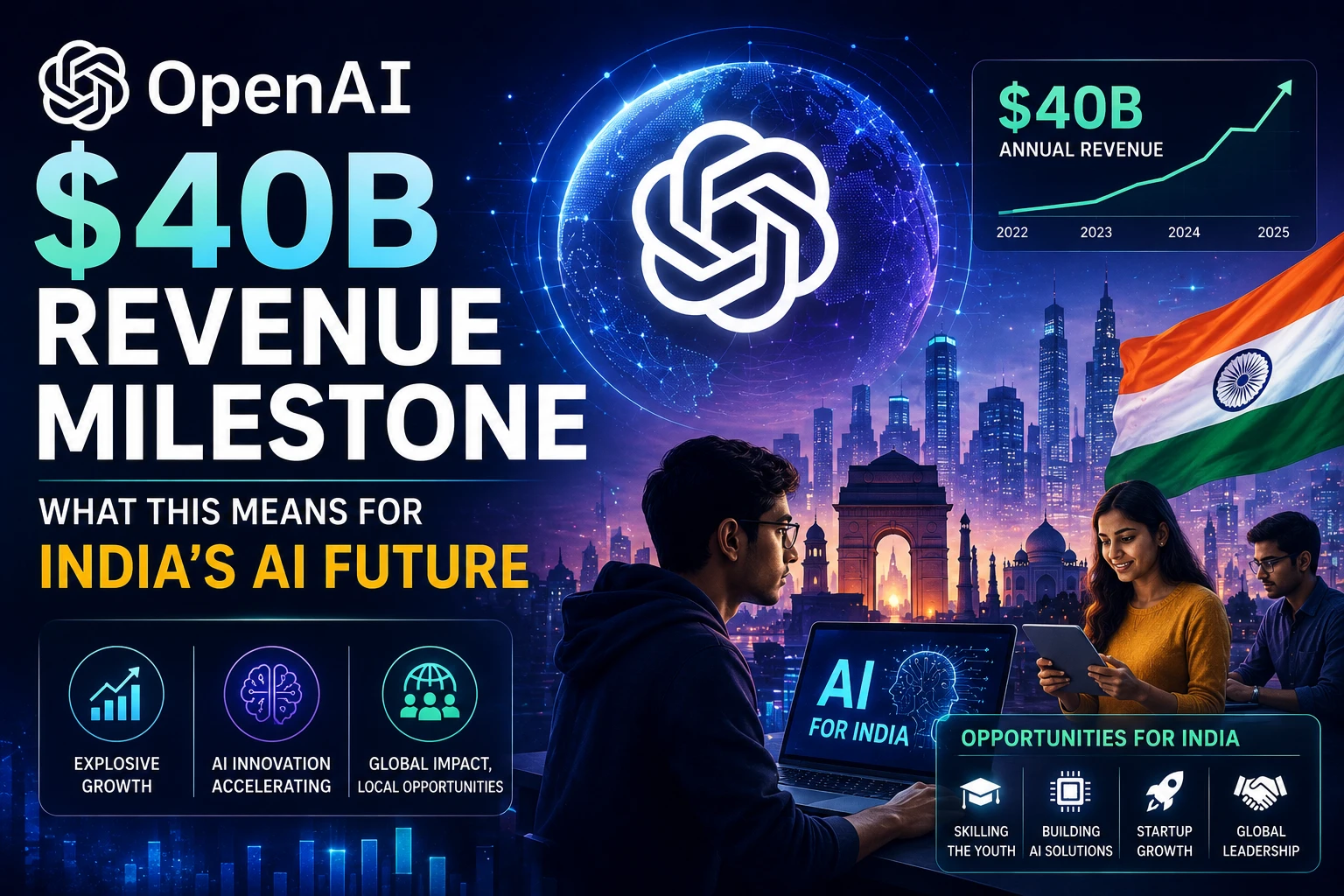
OpenAI just dropped a bombshell - their annualized revenue has crossed the $40 billion mark, and they're eyeing an IPO that could value the company between $100-150 billion. This isn't just impressive growth; it's reshaping how we think about AI's commercial potential. The numbers are staggering. From just $1.6 billion in 2022 revenue, OpenAI has managed to more than double their annual run rate in just two years. Their ChatGPT subscription model alone generates over $2 billion monthly, while enterprise deals with companies like Microsoft, Apple, and thousands of smaller businesses contribute the rest.
Details Behind the Numbers
The revenue breakdown tells an interesting story. ChatGPT Plus and Team subscriptions account for about 35% of revenue, with enterprise API calls making up 45%. The remaining 20% comes from Microsoft's Azure OpenAI Service, which bundles OpenAI's models with Azure's cloud infrastructure. What's particularly fascinating is how OpenAI has managed to maintain profitability despite massive R&D costs. Their cost-cutting measures in late 2023, including the ouster of Sam Altman and subsequent leadership changes, apparently streamlined operations without compromising product quality.
India Impact
For India, this news hits differently. On one hand, it validates the massive potential of AI in emerging markets. Indian companies from startups to established players are increasingly adopting OpenAI's APIs for everything from customer service to content generation. The flip side? The cost barrier. With API pricing starting at $20 per million tokens, many Indian startups find it challenging to scale. This has created opportunities for local alternatives like Sarvam AI and Krutrim, which offer multilingual models at competitive rates. Indian educational institutions are also jumping on the AI bandwagon. IITs and IIMs are integrating ChatGPT-like tools into their curriculum, preparing students for an AI-driven job market where these skills will be essential.
Use Cases in India
Across India, businesses are finding creative ways to leverage OpenAI's technology. E-commerce platforms like Flipkart and Amazon India use AI for product recommendations and customer support. Healthcare providers in tier-2 and tier-3 cities are using AI for preliminary diagnosis, helping bridge the doctor shortage. Content creation is another hot area. Indian YouTubers, bloggers, and social media influencers are using AI tools to generate ideas, scripts, and even thumbnails. This has democratized content creation, allowing smaller creators to compete with established media houses. The agricultural sector, crucial to India's economy, isn't being left behind. Farmers in Maharashtra and Punjab are using AI-powered apps to get weather predictions, crop advice, and market prices, all powered by OpenAI's models.
Honest Take
Let's be real - OpenAI's $40 billion revenue is impressive, but it raises some uncomfortable questions. Is this level of concentration in one company healthy for the AI ecosystem? When a single entity controls the most advanced models, it creates a dependency that could stifle innovation. For India specifically, while the revenue numbers are exciting, we need to ask whether this benefits Indian users or just enriches investors. The high API costs mean many Indian innovators can't access cutting-edge AI, potentially widening the digital divide. That said, OpenAI's success has catalyzed the entire AI industry. The competition it creates pushes everyone to improve, innovate, and reduce costs. Indian companies are now more motivated than ever to build world-class AI solutions that serve local needs better. The IPO, whenever it happens, will be closely watched. If OpenAI maintains its current trajectory, it could become one of the most valuable tech companies globally. But for India to truly benefit, we need more affordable access and homegrown alternatives that understand our unique challenges and opportunities.





Comments (0)
Be the first to comment!