


What just happened?
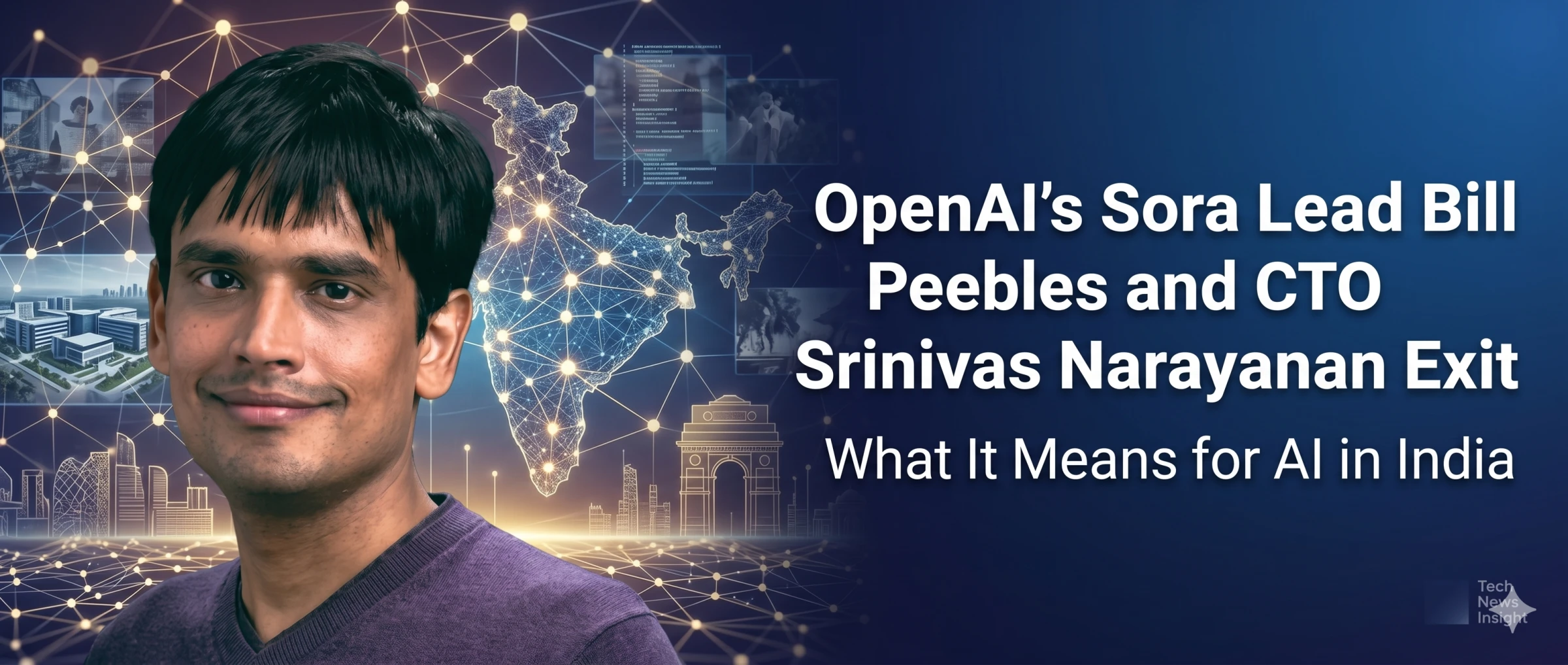
OpenAI announced that two of its most senior engineers are stepping out. Bill Peebles, the researcher who built the groundbreaking text‑to‑video model Sora, will leave the company later this year. At the same time, Srinivas Narayanan – the CTO who ran OpenAI’s enterprise‑applications arm – is also moving on. Both departures were confirmed through internal memos and personal LinkedIn updates.
Who are these guys?
Bill Peebles joined OpenAI in 2021 after a stint at DeepMind. He led the Sora project, a model that can turn a short paragraph into a 10‑second video clip. Sora’s demo blew up on social media because it could generate moving images without any hand‑crafted assets – a huge leap from text‑only GPT‑4. Peebles is known for his “research‑first, product‑later” mindset and has published several papers on diffusion models.
Srinivas Narayanan came from Microsoft Azure where he built large‑scale AI pipelines for enterprises. At OpenAI he was responsible for turning the research breakthroughs into APIs that big Indian firms like Tata, Reliance, and Zomato could plug into their products. Under his watch, OpenAI launched the “Enterprise‑Ready” tier that includes dedicated SLAs, data‑privacy controls, and on‑premise deployment options.
Why are they leaving now?
OpenAI hasn’t disclosed a single reason, but insiders point to two trends. First, the company is tightening its focus on monetisation after the ChatGPT Plus surge. Second, both Peebles and Narayanan have received offers to lead AI units at Indian tech giants – a move that aligns with the country’s push for home‑grown generative AI.
Impact on Sora and Enterprise APIs
Sora is still in beta, but the model is expected to ship as a paid API in Q4 2024. With Peebles out, the research team will be led by a new head of video‑generation, likely a former OpenAI intern who has already co‑authored the latest Sora paper. Expect a few weeks of slowdown as the transition settles, but OpenAI’s roadmap shows no major delay.
On the enterprise side, Srinivas’ exit could mean a reshuffle of the product‑engineering leadership. OpenAI has already appointed a senior director from Google Cloud to fill the gap. For Indian customers, the short‑term impact will be limited – most contracts are already signed and the API endpoints remain stable.
What does this mean for Indian developers?
1. More local AI leadership opportunities – Both executives are rumored to be in talks with Jio Platforms and Infosys. If they join an Indian firm, we could see a home‑grown alternative to OpenAI’s video model within the next 12‑18 months.
2. Enterprise pricing could shift – OpenAI is likely to re‑evaluate its pricing for the Enterprise tier after losing a key champion. Expect a possible price hike for Indian enterprises or a new “Startup” plan with lower usage caps.
3. Talent drain or talent boost? – While OpenAI loses two heavyweights, the Indian AI ecosystem gains potential mentors. Start‑ups in Bengaluru and Hyderabad might get a boost in hiring power and technical guidance.
TamilTech’s take – should Indian businesses worry?
Honestly, the news is more of a headline than a crisis. OpenAI’s core products – ChatGPT, DALL‑E, and the upcoming Sora API – are backed by a massive engineering force. One departure won’t cripple the service. However, the real story is the talent migration to India. If Bill Peebles or Srinivas Narayanan decide to join a local giant, that could accelerate the availability of high‑quality generative‑AI tools tailored for Indian languages, UPI integration, and regional compliance.
From a business perspective, keep an eye on OpenAI’s pricing announcements for the Enterprise tier. If costs rise, evaluate alternatives like Anthropic’s Claude or Google’s Gemini, which are already offering competitive rates for Indian enterprises.
What’s next?
We’ll see the official hand‑over notes in the next few weeks. In the meantime, Indian developers should start experimenting with the Sora beta (if you have access) and explore the new “Enterprise‑Ready” APIs before any price changes hit. Also, watch for any partnership announcements between OpenAI and Indian cloud providers – those could bring new data‑localisation options that matter for banking and health‑tech apps.
Bottom line: OpenAI’s brain‑trust is reshuffling, but the AI train keeps chugging. For us in India, it’s a chance to grab a seat at the front of the carriage.



Comments (0)
Be the first to comment!