


Key Takeaways
- PM E-DRIVE subsidy extended to March 2028, providing continued support for electric two-wheelers
- Additional ₹1,000 crore allocated to boost EV infrastructure and adoption
- Focus on making EVs affordable for tier-2 and tier-3 city residents
- Direct benefit transfer mechanism ensures subsidies reach eligible buyers efficiently
- Part of India's broader goal to achieve 30% EV penetration by 2030
What's the news
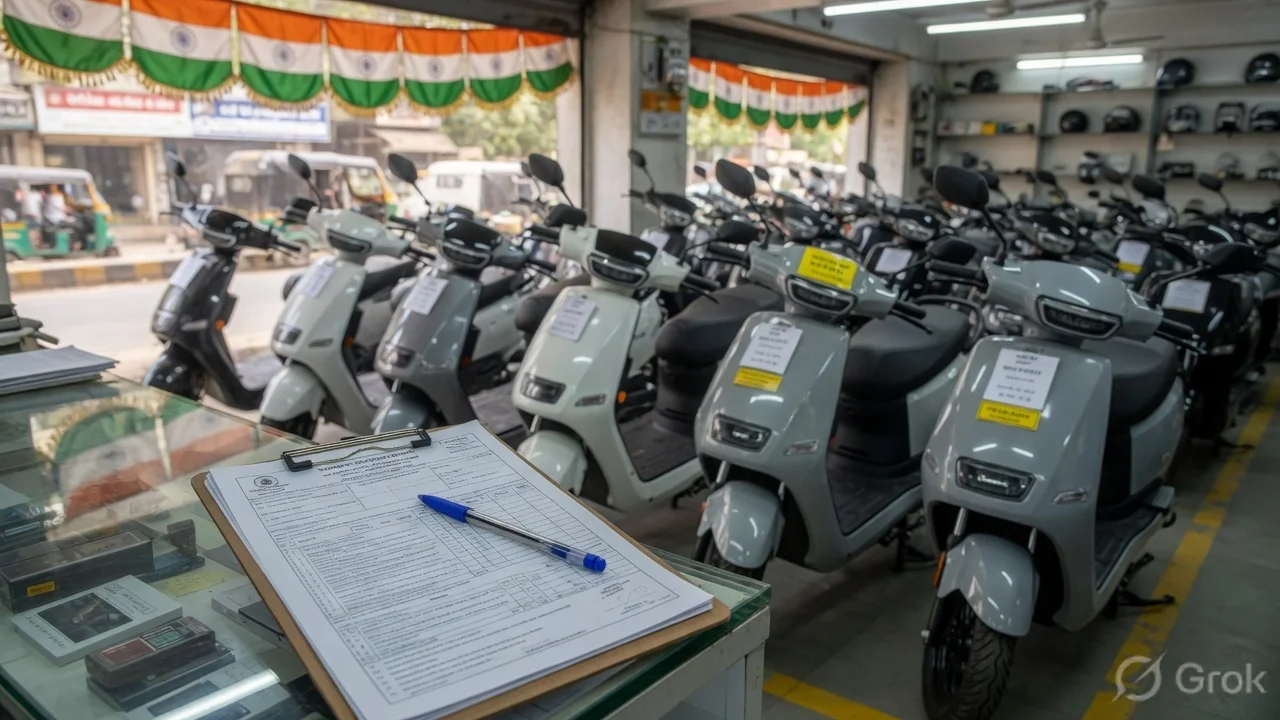
The Indian government has announced a significant extension of the PM E-DRIVE subsidy scheme specifically for electric two-wheelers, pushing the deadline to March 2028. This move comes with an additional ₹1,000 crore allocation, signaling continued commitment to electric mobility. The scheme, which has been instrumental in making EVs more accessible, will now provide extended benefits to manufacturers and consumers alike.
Details
Under this extended scheme, eligible electric two-wheeler buyers can avail direct subsidies ranging from ₹15,000 to ₹25,000 depending on the vehicle specifications and battery capacity. The additional funds will be utilized for both manufacturing incentives and infrastructure development. The subsidy structure remains performance-based, encouraging manufacturers to improve battery technology and reduce costs. The government has also streamlined the application process through the PM E-DRIVE portal, making it easier for consumers to apply and receive benefits.
India impact
This extension is particularly crucial for India's EV ecosystem, especially in tier-2 and tier-3 cities where two-wheelers dominate the vehicle market. The extended timeline provides stability for manufacturers to scale up production and for consumers to make informed decisions about switching to electric. The subsidy has already helped reduce the upfront cost barrier that initially slowed EV adoption. With the additional funding, we can expect more affordable models to enter the market, potentially bringing prices closer to parity with conventional two-wheelers.
Use cases
The PM E-DRIVE scheme primarily targets commuters in urban and semi-urban areas who rely on two-wheelers for daily transportation. For delivery services, e-commerce companies, and fleet operators, the extended subsidy presents an opportunity to reduce operational costs through lower fuel and maintenance expenses. Students and young professionals in cities like Bengaluru, Pune, and Jaipur can benefit from the reduced total cost of ownership. Additionally, the scheme supports India's climate goals by reducing carbon emissions from the transportation sector.
Honest take
While the subsidy extension is a positive step, its effectiveness will depend on implementation efficiency and market response. The ₹1,000 crore addition is substantial but may not be sufficient to overcome all barriers to mass EV adoption. Battery technology improvements and charging infrastructure development need parallel progress. The scheme's success will ultimately be measured by actual sales numbers and consumer adoption rates rather than just the allocated funds. Nevertheless, this extension provides the certainty needed for both manufacturers and consumers to plan their EV strategies with confidence.

Comments (0)
Be the first to comment!