


Key Takeaways
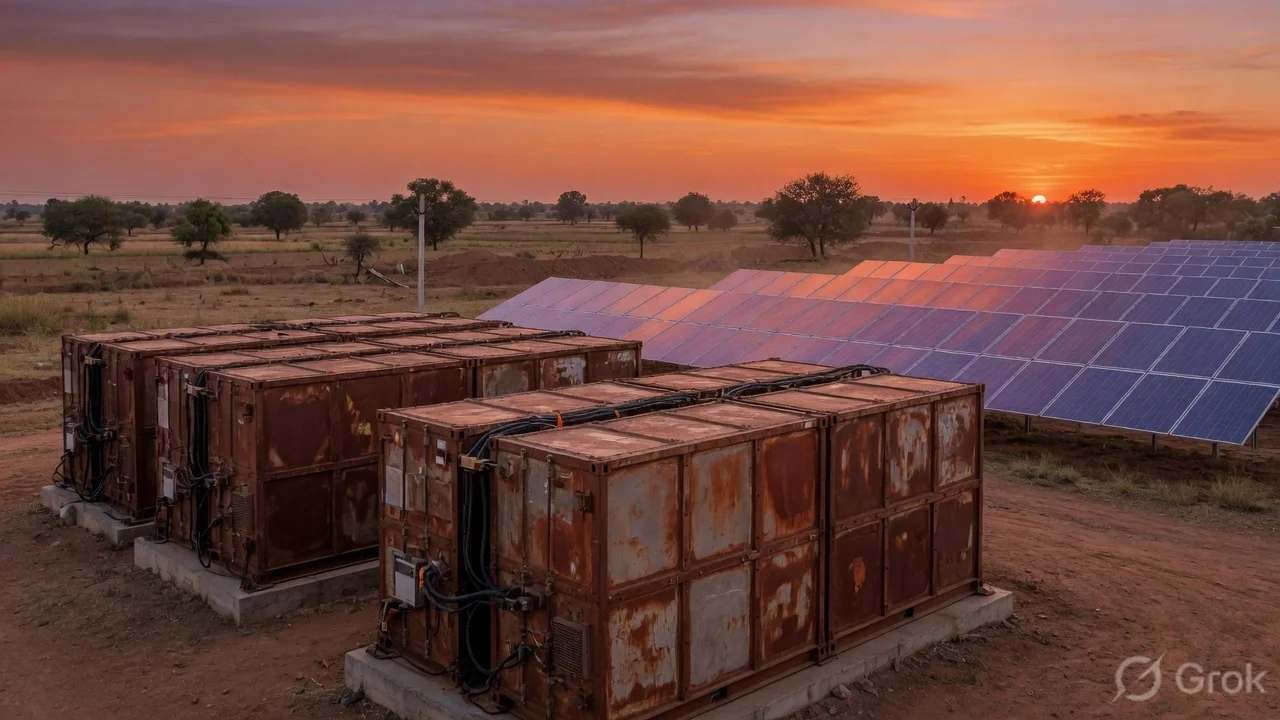
- Iron-air batteries from Karetic Energy can store energy for 3-5 days continuously, addressing the multi-day gaps in renewable power generation
- These batteries use abundant iron and air as materials, making them significantly cheaper than lithium alternatives for long-duration storage
- India's renewable energy targets of 500GW by 2030 require massive storage solutions, and iron-air technology could be a game-changer
- The technology leverages iron oxidation-reduction chemistry, similar to how rust forms but in a controlled, reversible process
- Karetic Energy's approach could make renewable energy more reliable and cost-effective for Indian utilities facing daily power fluctuations
What's the News
Karetic Energy is shaking up the energy storage game with their innovative iron-air battery technology. While most battery companies focus on lithium-ion solutions that work great for a few hours, Karetic is tackling the bigger problem - storing renewable energy for days at a time. Their approach uses iron and air, two of the most abundant materials on Earth, to create batteries that could keep the lights on even when the sun doesn't shine and wind doesn't blow for several days straight.
This matters particularly for India, where solar power generation drops significantly during monsoon seasons and cloudy days. Current lithium-ion batteries become prohibitively expensive when you need to store energy for more than 4-6 hours. Karetic's iron-air batteries promise to change this equation entirely, potentially making renewable energy much more reliable for Indian utilities and businesses.
Details
So how do these iron-air batteries actually work? The technology leverages a simple chemistry that's been around for over a century - iron oxidation. When charging, electricity converts iron oxide back to pure iron. When discharging, the iron reacts with oxygen from the air to generate electricity, essentially reversing the rusting process in a controlled manner.
What makes Karetic's approach special is their engineering of the electrode materials and electrolyte systems to make this process efficient and long-lasting. Traditional iron-air batteries suffered from poor efficiency and rapid degradation, but Karetic has developed proprietary formulations that maintain over 80% efficiency even after thousands of charge-discharge cycles.
The beauty of this technology is its simplicity. Unlike lithium batteries that require rare earth minerals and complex manufacturing processes, iron-air batteries can be built using relatively simple equipment and abundant materials. This not only reduces costs but also makes the technology more accessible for deployment across India, from rural microgrids to large-scale utility projects.
India Impact
For India, Karetic's technology couldn't come at a better time. The country has set ambitious targets of 500GW renewable energy capacity by 2030, but storage remains the Achilles heel of this transition. Iron-air batteries could be the missing piece that makes this target achievable.
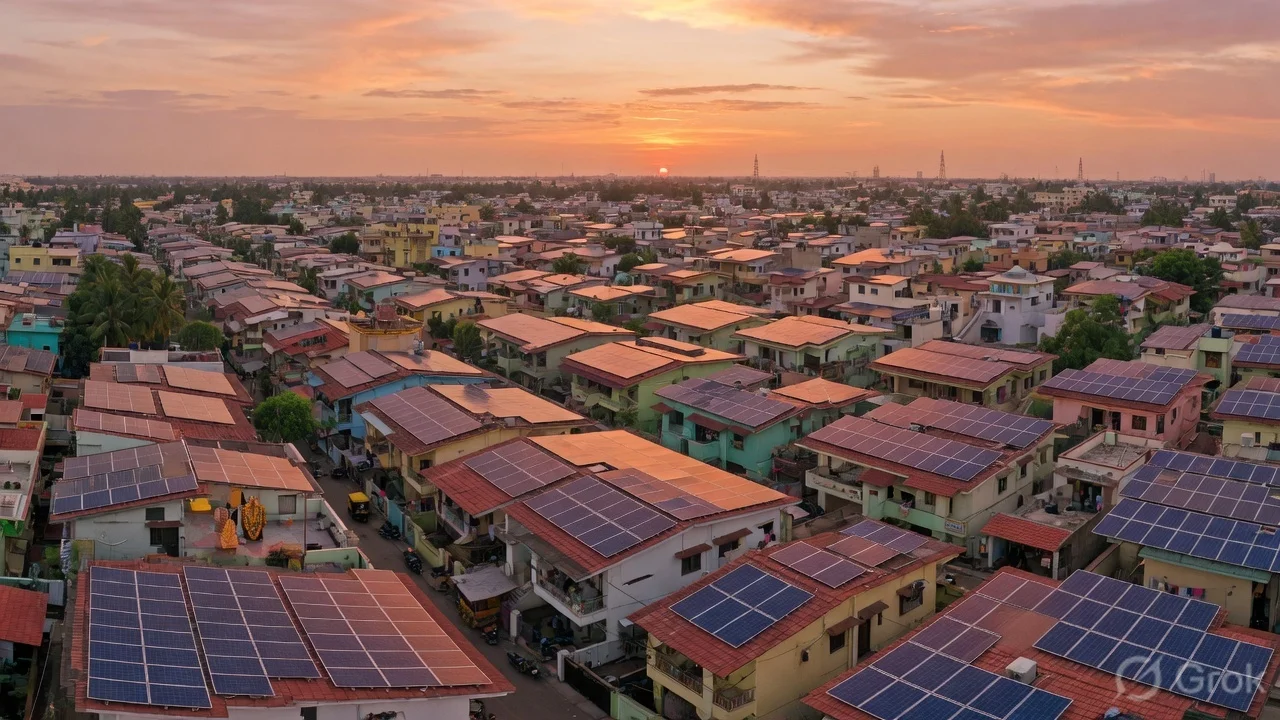
Indian states like Tamil Nadu, Karnataka, and Rajasthan have already invested heavily in solar parks, but face challenges with evening peak demand when solar generation drops. Karetic's batteries could store excess solar energy during the day and release it during evening peak hours, helping states manage their power grids more effectively.
The technology also has huge potential for rural electrification. Many villages in India still face power cuts despite being connected to the grid. Iron-air batteries could provide reliable backup power for these communities, supporting everything from irrigation pumps to small businesses.
Use Cases
The applications for Karetic's iron-air batteries span across India's energy landscape. For utility-scale projects, these batteries could provide grid stability services, helping balance supply and demand across different regions.
Industrial users could benefit from cost-effective power backup during outages, which are still common in many parts of India. Manufacturing units, data centers, and hospitals could maintain operations without relying on expensive diesel generators.
The agricultural sector represents another huge opportunity. Farmers could use iron-air batteries to power irrigation systems during power cuts, potentially increasing crop yields and reducing dependence on monsoon patterns.
Even residential users could eventually benefit, with home battery systems that provide backup power for multiple days during grid failures - a common occurrence during extreme weather events in India.
Honest Take
While Karetic's technology is promising, it's important to be realistic about the challenges ahead. Iron-air batteries are still in the development phase, and scaling up production will require significant investment and time. The technology also faces competition from other long-duration storage solutions like flow batteries and compressed air storage.
The efficiency of iron-air batteries, while improved, still lags behind lithium-ion for shorter duration applications. This means they're best suited for the specific use case of multi-day storage rather than replacing lithium batteries entirely.
However, for India's specific needs, this technology could be transformative. The country's unique challenges with renewable energy integration, combined with its manufacturing capabilities and abundant iron resources, make it an ideal market for Karetic's innovation.
If Karetic can successfully commercialize this technology at scale, it could accelerate India's renewable energy transition and provide a template for other developing countries facing similar challenges.
FAQs
Q: How long can Karetic's iron-air batteries store energy compared to lithium batteries?
A: Karetic's iron-air batteries are designed to store energy for 3-5 days continuously, while lithium batteries are typically economical for only 4-8 hours of storage.
Q: Are iron-air batteries safe to use in India's climate conditions?
A: Yes, iron-air batteries operate efficiently across a wide temperature range and don't face the same thermal management challenges as lithium batteries, making them suitable for India's diverse climate conditions.
Q: How much do iron-air batteries cost compared to lithium alternatives?
A: While exact pricing isn't public, iron-air batteries are expected to cost significantly less than lithium alternatives for long-duration storage applications, potentially 30-50% less for multi-day storage systems.
Q: When will Karetic's technology be available for Indian customers?
A: Karetic is currently in the pilot phase, with commercial deployment expected within the next 2-3 years as they scale up production and establish partnerships with Indian energy companies.
Q: Can iron-air batteries be recycled?
A: Yes, iron-air batteries are highly recyclable, with over 95% of the materials recoverable. The iron component can be easily recycled, and the air component is, well, air.

Comments (0)
Be the first to comment!