


Key Takeaways
- Ola Electric approved for five-year PLI scheme with potential incentives of Rs 7,240 crore
- Government aims to boost domestic EV manufacturing and reduce import dependency
- PLI window supports Ola's expansion plans and battery storage initiatives
- This move aligns with India's push for electric mobility by 2030
- Competition in the Indian EV market is expected to intensify further
What's the News
Ola Electric has hit a significant milestone with the government approving a five-year Production-Linked Incentive (PLI) window for the company. This development could see Ola Electric potentially receiving incentives worth Rs 7,240 crore, according to public posts and industry reports. The PLI scheme is part of India's broader strategy to promote domestic manufacturing of electric vehicles and reduce reliance on imports.
Details
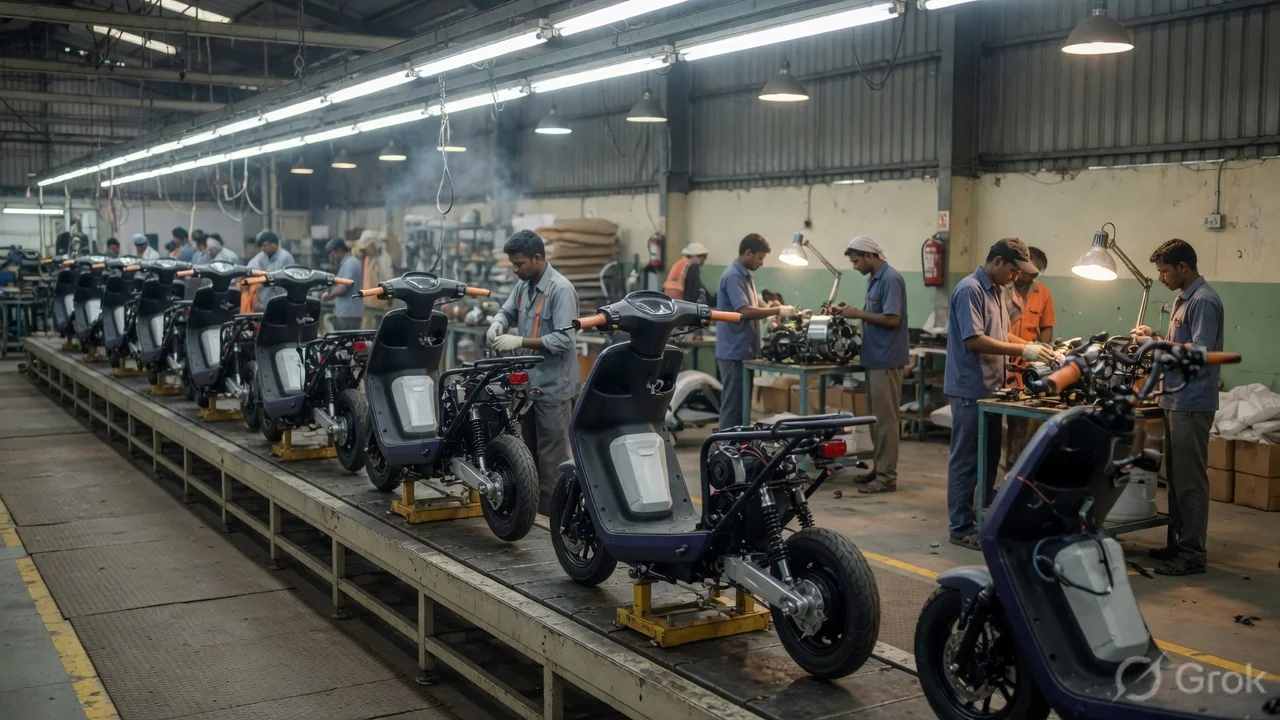
The Production-Linked Incentive scheme, a key component of the government's Make in India initiative, offers financial incentives to companies based on their production volumes. For Ola Electric, this five-year window provides a stable foundation for scaling up their manufacturing operations, particularly for electric scooters and potentially battery storage solutions. The Rs 7,240 crore incentive figure is substantial and could significantly impact the company's financial planning and expansion roadmap.
Industry sources suggest that the PLI approval comes at a crucial time for Ola Electric as they face increasing competition in the Indian EV market. The company has been working on expanding its manufacturing capacity and has been investing heavily in R&D for new product launches. The financial backing from the PLI scheme could accelerate these plans.
India Impact
This development has far-reaching implications for India's electric mobility ecosystem. The PLI scheme for EV manufacturers is expected to create thousands of jobs in the country, from factory workers to engineers and researchers. It also aligns with the government's ambitious target of having 30% electric vehicles on Indian roads by 2030.
The incentives could also help reduce the cost of electric vehicles in the Indian market, making them more accessible to the average consumer. This is particularly important in a price-sensitive market like India, where the upfront cost of EVs remains a significant barrier to adoption. Additionally, the focus on domestic manufacturing could help reduce the carbon footprint associated with importing vehicles and components.
Use Cases
The PLI benefits for Ola Electric are likely to be channeled into several key areas. The company could use the incentives to expand its manufacturing facilities, particularly in Tamil Nadu where they already have a plant. This would help them meet the growing demand for their electric scooters and potentially launch new models in the premium segment.
Another potential use case is investment in battery technology and storage solutions. With the growing importance of energy storage in India's renewable energy ecosystem, Ola Electric could leverage the PLI benefits to develop indigenous battery solutions, reducing dependency on imported cells and modules.
Honest Take
While the PLI approval is undoubtedly a positive development for Ola Electric, it's important to view this through a balanced lens. The company still faces significant challenges, including intense competition from both established players and new entrants in the EV space. The Indian market is becoming increasingly crowded, with players like Ather Energy, TVS, and Hero Electric all vying for market share.
That said, the five-year PLI window provides a level of stability and financial backing that could be crucial for Ola Electric's long-term success. The incentives could help the company scale up its operations and invest in R&D, which are essential for staying competitive in the rapidly evolving EV market. However, execution will be key, and the company will need to navigate various challenges, including supply chain disruptions and changing consumer preferences.
Overall, this move by the government to support domestic EV manufacturing through the PLI scheme is a step in the right direction. It not only benefits companies like Ola Electric but also contributes to India's broader goals of promoting sustainable transportation and reducing carbon emissions.



Comments (0)
Be the first to comment!