Key Takeaways#
- Ola Electric secures 5-year PLI window worth up to ₹7,240 crore in government incentives
- This move strengthens India's position in the global EV manufacturing landscape
- Increased competition expected in the Indian electric scooter market
- Consumers might benefit from more affordable EV options in the coming years
- Government's 'Make in India' initiative gets a significant boost with this development
What's the News#
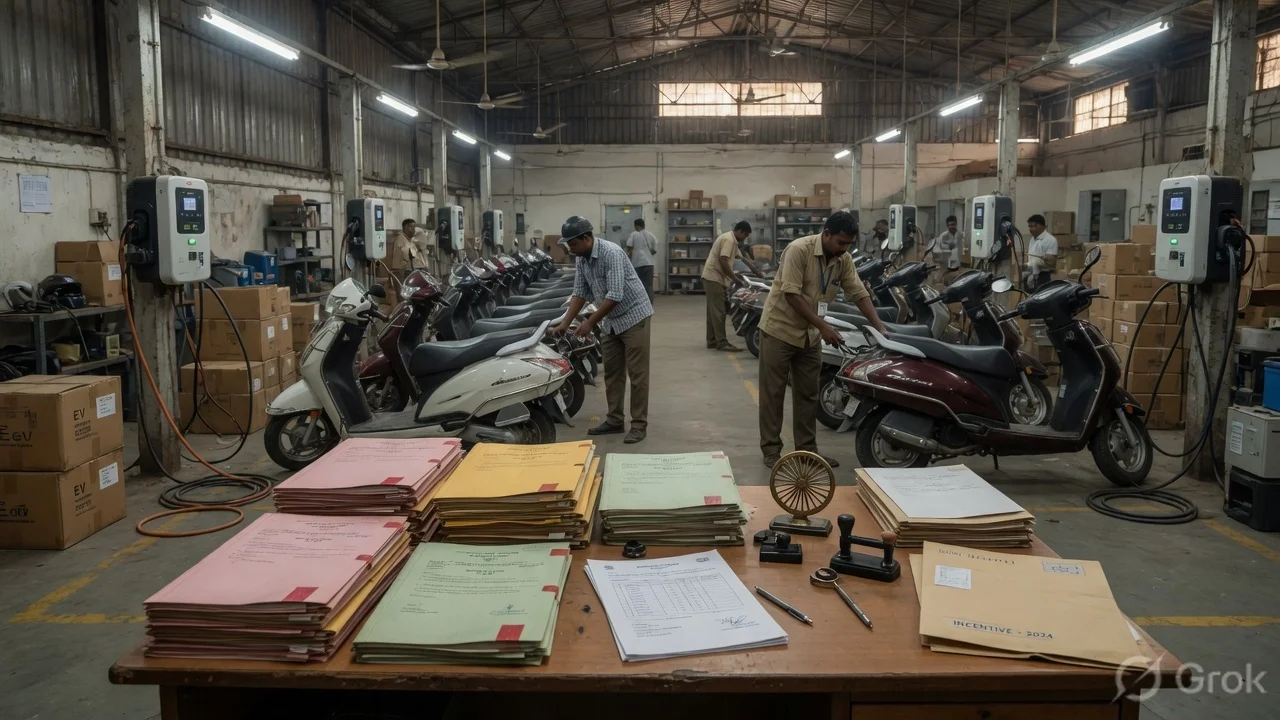
Ola Electric, the Bengaluru-based electric scooter manufacturer, has successfully secured a 5-year Production Linked Incentive (PLI) window from the Indian government. This strategic move could potentially bring the company up to ₹7,240 crore in incentives, marking a significant milestone in India's electric vehicle journey.
The PLI scheme, introduced as part of the government's push for domestic manufacturing, rewards companies based on their production volumes. For Ola Electric, this means substantial financial benefits if they meet their production targets over the next five years.
Details of the PLI Window#
The Production Linked Incentive scheme is designed to encourage local manufacturing of advanced
technology products. Under this arrangement, Ola Electric will receive incentives based on the value of locally manufactured electric vehicles.
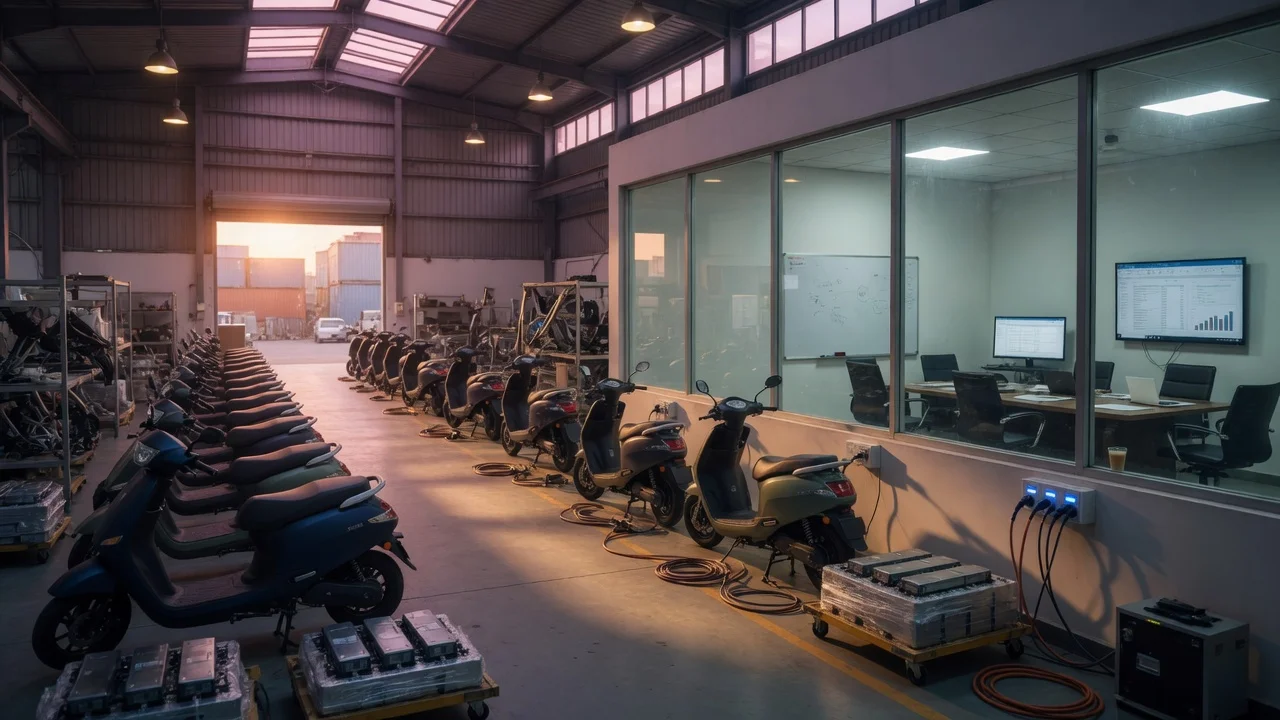
The company plans to leverage this opportunity to expand its manufacturing capabilities at its Tamil Nadu facility. The incentives are structured to scale with production volumes, creating a win-win situation for both the company and the government.
The five-year timeline gives Ola Electric a stable period to ramp up production, invest in R&D, and potentially create thousands of jobs in the process.
India Impact#
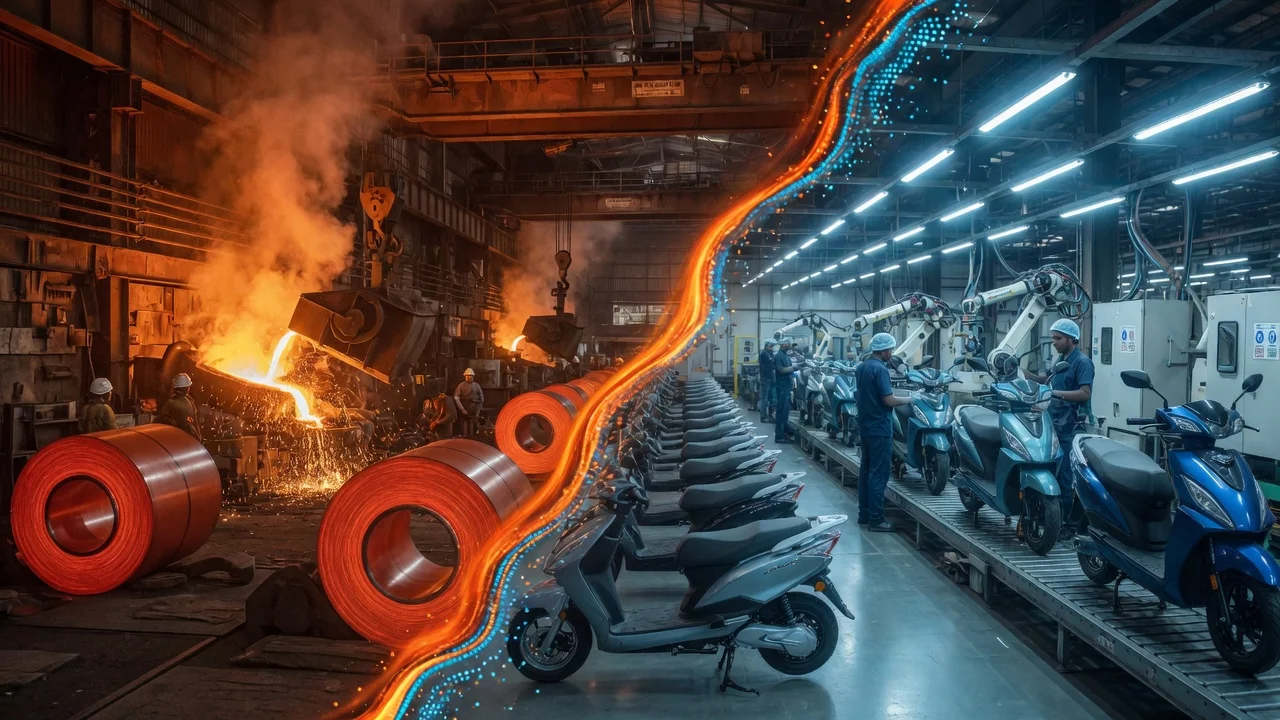
This development has far-reaching implications for India's automotive sector. First and foremost, it reinforces the government's commitment to making India a global manufacturing hub for electric vehicles.
The PLI incentives are expected to accelerate the adoption of electric vehicles in India by making them more affordable. With increased production and economies of scale, prices could become competitive with traditional petrol-powered vehicles.
Additionally, this move aligns perfectly with India's broader climate goals and commitment to reducing carbon emissions. The domestic EV ecosystem is likely to see significant growth, with more companies entering the market and investing in charging infrastructure.
Use Cases for Indian Consumers#
For the average Indian consumer, this development translates into more options and potentially better prices in the electric scooter segment. The increased competition and production scale could bring down the initial cost barrier that has been a significant hurdle for EV adoption.
Moreover, with Ola Electric's expanded production capacity, consumers can expect better availability of their products, reducing wait times that have plagued the EV market in recent years.
The company's focus on developing models suitable for Indian conditions—considering factors like road quality, weather, and usage patterns—means consumers will get products tailored to their needs.
Honest Take#
While the PLI incentives for Ola Electric are a positive step, it's crucial to consider the broader ecosystem. The electric vehicle market in India is still evolving, and success will depend on several factors beyond just manufacturing incentives.
Charging infrastructure remains a significant challenge, particularly in smaller cities and rural areas. Additionally, consumer awareness and range anxiety continue to be barriers to widespread adoption.
That said, Ola Electric's move demonstrates the company's strategic vision and understanding of the Indian market. The PLI incentives provide a solid foundation for growth, but execution will be key.
The real test will be how quickly the company can scale up production while maintaining quality and meeting delivery commitments. If successful, this could pave the way for more Indian companies to compete on the global stage in the EV manufacturing arena.
For now, this development is a welcome boost to India's electric vehicle ambitions, but the journey ahead requires collective effort from all stakeholders in the ecosystem.




Comments (0)
Be the first to comment!