


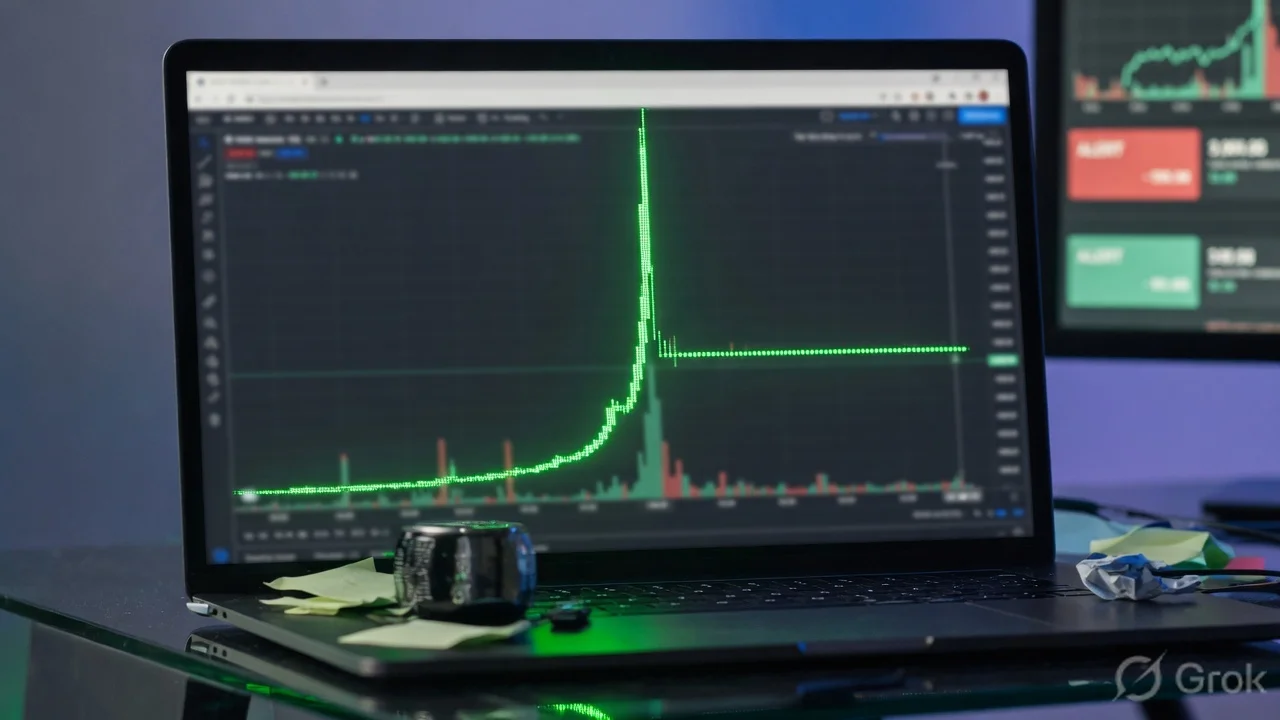
What sparked the 4,500% rally?
Last week the RAVE token, the native utility coin of the RaveDAO ecosystem, went from a few cents to over $3 in a single trading session. That’s a 4,500% surge in seven days – numbers that would make any trader’s heart race. The spike coincided with a thread by crypto‑analyst ZachXBT, who claimed that insiders at RaveDAO deliberately pumped the token to trigger a massive short‑squeeze.
According to Zach, a group of early investors and team members placed huge buy orders while simultaneously spreading rumours that a major exchange was about to list RAVE. The theory is simple: create buying pressure, force short sellers to cover, and the price rockets.
Binance and Bitget’s response
Both Binance and Bitget, two of the biggest crypto‑exchange platforms, announced they are opening investigations. Their statements say they are reviewing trading patterns, order‑book data, and any possible market‑manipulation activity. They also warned users that any token found to be involved in manipulation could be delisted or face trading restrictions.
Why two exchanges at once? The RAVE token is listed on both platforms, and its rapid price swing hit liquidity pools on each. Binance, which handles over 60% of global crypto volume, typically steps in when a token’s market behaviour looks abnormal. Bitget, known for its focus on derivatives, is also tightening its compliance net after a series of high‑profile scams in Asia.
Numbers that tell the story
- Price on Monday: $0.07
- Peak price on Thursday: $3.20
- 24‑hour volume on Binance: $12 million (up from $300 k a week ago)
- Short interest (estimated): 45% of circulating supply
The surge wasn’t just hype – the on‑chain data shows a massive inflow of USDT and BUSD into RAVE’s liquidity pools. At the same time, several large wallets (over $500 k each) dumped RAVE a day after the peak, causing the price to tumble back to $1.10.
What does this mean for Indian crypto users?
India’s crypto community is still navigating a regulatory grey zone. While the Supreme Court struck down the 2020 ban, the government is working on a new framework that could tighten KYC and AML rules. A high‑profile incident like this can influence how Indian exchanges treat smaller, community‑run tokens.
If Binance or Bitget decide to suspend RAVE, Indian traders who hold the token could face liquidity issues – they might not be able to sell without heavy slippage. Moreover, a delisting could trigger a cascade effect on other DeFi projects that rely on RAVE for governance and staking.
TamilTech’s take – is this a genuine opportunity or a trap?
Our gut feeling: the RAVE rally looks engineered. The timing aligns perfectly with ZachXBT’s accusations, and the short‑interest numbers suggest a classic squeeze scenario. For speculative traders, the short‑window profit could be tempting, but the risk of a sudden crash or exchange‑wide ban is high.
For long‑term crypto believers, the lesson is clear – always check the token’s on‑chain health, watch for sudden spikes in volume, and be wary of “insider” hype. If an exchange is launching an investigation, treat that as a red flag.
What to watch next?
Both exchanges have promised to release their findings within 14 days. Expect a formal statement from Binance’s compliance team and a detailed report from Bitget’s market‑integrity division. In the meantime, keep an eye on:
- Liquidity pool depth on Uniswap and PancakeSwap – if they start draining, the price will tumble.
- Social media chatter – a sudden drop in hype often precedes a price correction.
- Regulatory whispers in India – the Ministry of Electronics & IT may issue advisory notes on “high‑risk tokens”.
Bottom line: the RAVE saga is a reminder that crypto markets can swing wildly in a matter of days. Whether you’re a day‑trader or a hodler, stay vigilant, do your own research, and don’t chase a hype‑driven rocket without a parachute.


Comments (0)
Be the first to comment!