


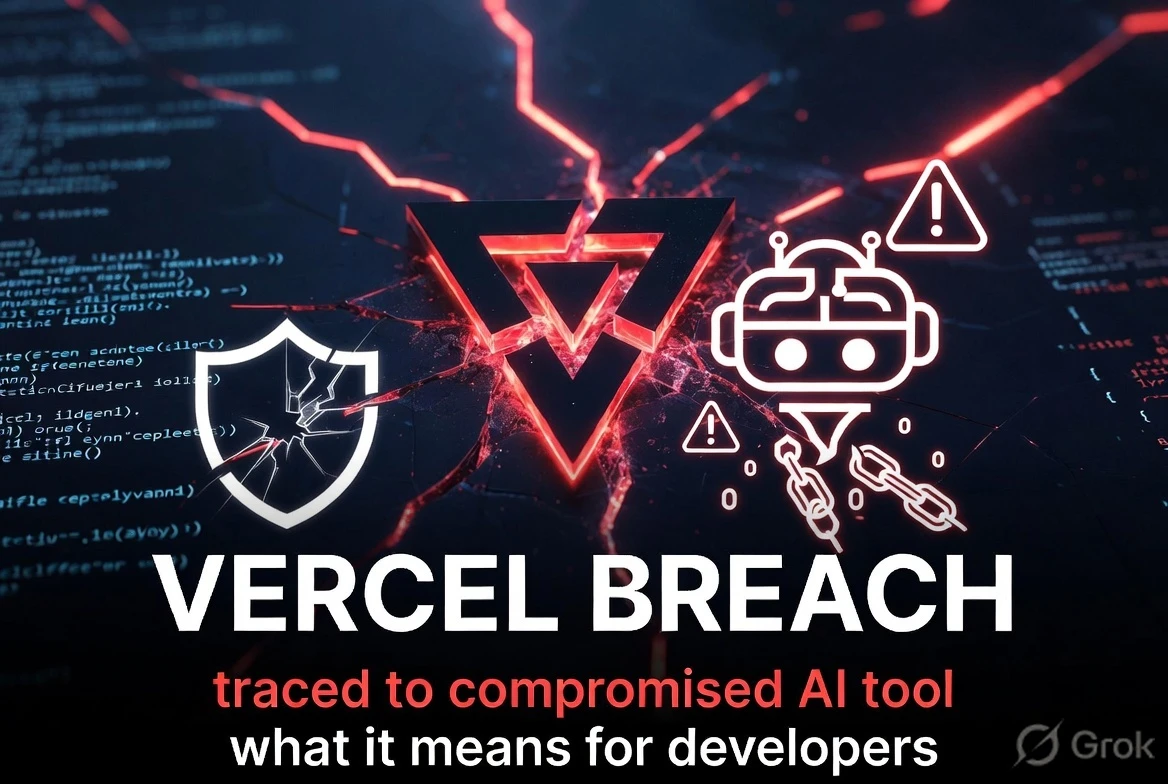
What happened?
Vercel, the cloud platform that powers millions of Next.js sites, announced that an attacker managed to reach its internal infrastructure via a third‑party AI service. The breach was first exposed when a user with the handle “ShinyHunters” posted on BreachForums, claiming they had accessed Vercel’s back‑office tools.
According to Vercel’s statement, the attacker didn’t break into the core servers directly. Instead, they exploited a compromised AI‑powered code‑assistant that some Vercel engineers were using for routine tasks. The AI tool, which connects to Vercel’s APIs, was hijacked, and its credentials were used to pull data from internal dashboards.
How the attack unfolded
The chain looks like this:
- Vercel engineers integrate a third‑party AI assistant (think ChatGPT‑style) into their development workflow.
- The AI provider’s backend gets breached by an unknown actor.
- Attackers extract the API‑keys and OAuth tokens that the AI tool uses to talk to Vercel’s services.
- Using those tokens, they log in to Vercel’s internal consoles, read logs, and download configuration files.
Vercel says no customer data was exfiltrated, but internal metadata – such as project names, environment variables (some of which held API keys for other services), and deployment logs – were accessed.
Why this matters for Indian developers
Many Indian startups and freelancers rely on Vercel for fast deployments, especially for Jamstack sites and server‑less functions. If an attacker can peek into environment variables, they might snag keys for payment gateways like Razorpay, cloud services like AWS, or even secret tokens for WhatsApp Business API.
Imagine a small e‑commerce site built on Next.js, hosted on Vercel, with a Razorpay secret stored in process.env.RAZORPAY_KEY. If that key leaks, fraudsters could spin up fake payment pages and siphon money from unsuspecting customers.
What Vercel is doing
Vercel has revoked the compromised tokens, forced a reset of all API keys, and is working with the AI vendor to harden their authentication flow. They also recommend that all teams enable Two‑Factor Authentication (2FA) on Vercel accounts and rotate any secrets stored in environment variables.
Immediate steps for you
If you host on Vercel, follow this quick checklist:
- Log in to your Vercel dashboard and go to Settings → Security.
- Enable Two‑Factor Authentication for every user with admin rights.
- Rotate all environment variables that hold API keys or passwords.
- Audit your third‑party integrations – especially any AI‑based code assistants.
- Set up alerting for unusual API‑key usage via Vercel’s audit logs.
Broader security takeaways
This incident is a reminder that supply‑chain attacks aren’t limited to libraries or containers. SaaS tools you use daily can become the weakest link. Indian dev communities should start treating AI assistants as “trusted but verified” – meaning you always double‑check any code or credentials they suggest.
Also, remember that least‑privilege access is crucial. Give AI tools only the permissions they need, not full admin rights. Use scoped API tokens where possible.
What’s next?
Vercel promises a detailed post‑mortem within the next two weeks. The AI vendor hasn’t disclosed the exact nature of their breach, but they say they’re rolling out mandatory token‑rotation and stricter IP‑whitelisting.
For Indian developers, the key lesson is simple: keep an eye on the tools you trust, rotate secrets regularly, and never rely on a single line of defense.
Stay tuned – TamilTech will keep you posted with any new developments.




Comments (0)
Be the first to comment!