


Apple’s new hardware super‑division – the skinny
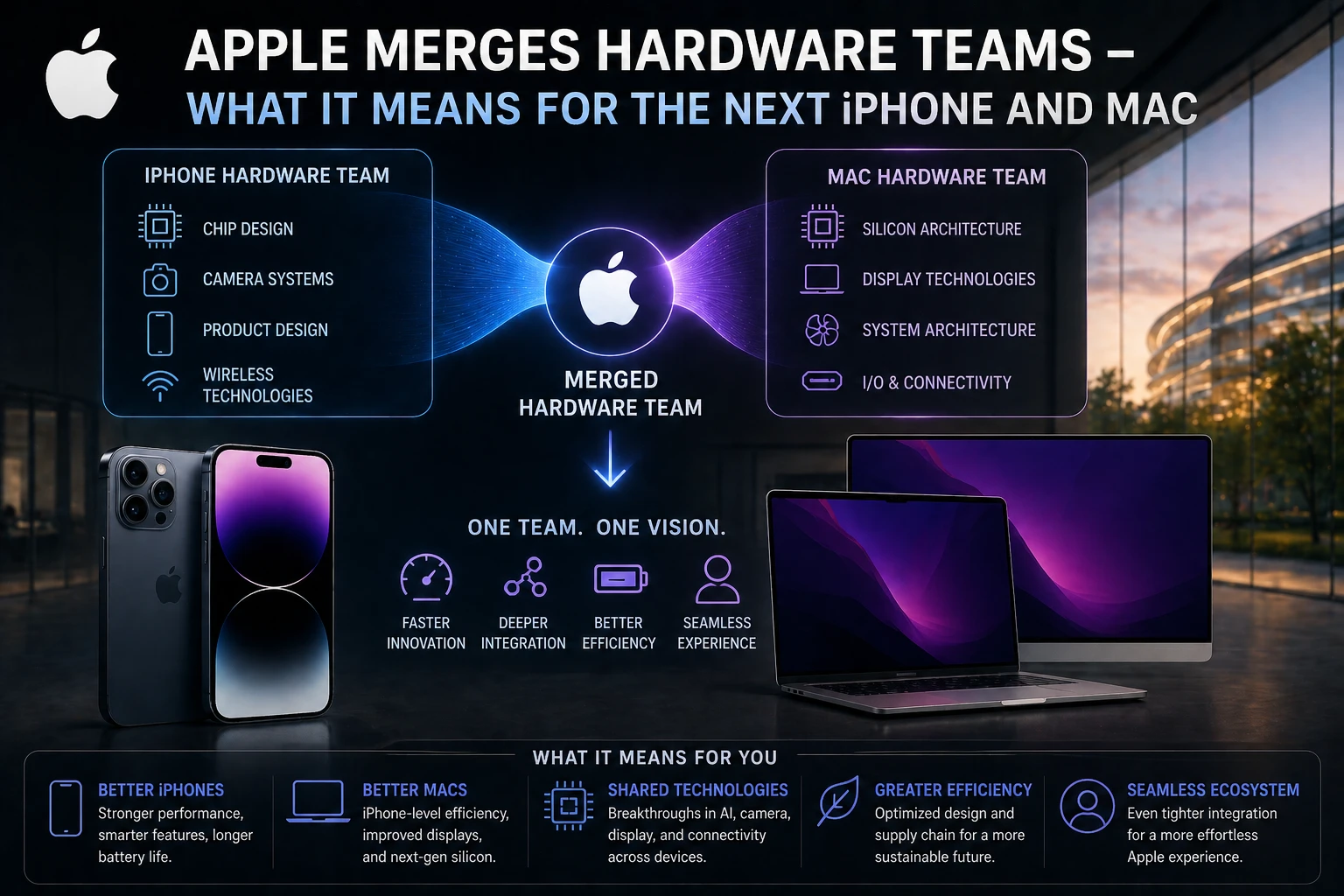
In a crisp email to employees, Johny Srouji, Apple’s senior VP of hardware technologies, said the company is folding its traditional hardware engineering unit together with the hardware technologies team. The result? A single, leaner division that will operate across five key pillars:
- System‑on‑Chip (SoC) engineering – chips like the M2 and future A‑series.
- Hardware architecture – the physical design of iPhones, Macs, iPads and wearables.
- Advanced packaging – 3‑D stacking, chip‑on‑board and new interconnects.
- Supply‑chain & manufacturing innovation – tighter collaboration with fab partners.
- Future‑tech research – quantum, AI‑accelerators and new sensor tech.
Why the shake‑up now? Apple’s roadmap is packed – the next‑gen iPhone, the rumored “Mac Studio‑Lite”, and a whole suite of AR/VR hardware. By merging the two groups, Apple hopes to cut down on internal hand‑offs, speed up decision‑making and keep its silicon advantage razor‑sharp.
The nitty‑gritty – what actually changes inside Apple
Historically, hardware engineering handled the mechanical side – chassis, thermal solutions, antenna placement – while hardware technologies focused on silicon, packaging and new materials. The email makes it clear that the two will now share a single leadership chain, reporting directly to Srouji.
Each of the five areas gets a dedicated lead, but they’ll all sit under one umbrella org‑chart. That means the chip team can talk to the enclosure team in real time, rather than waiting for quarterly sync‑ups. In practice, this should translate into:
- Faster iteration cycles – think a new iPhone camera module being ready in months, not a year.
- More integrated performance gains – the SoC can be co‑designed with the thermal solution for better sustained speed.
- Cost efficiencies – shared tooling, joint vendor negotiations, and less duplicated effort.
For Indian developers and consumers, the ripple effect is simple: newer hardware features will hit the market sooner, and Apple can keep pricing competitive because of the internal savings.
What this could mean for the upcoming iPhone 16 and Mac lineup
Apple’s next iPhone is expected to debut in September 2024 with an A‑series chip that pushes the envelope on AI on‑device processing. With the new structure, the AI‑accelerator could be baked into the SoC and the sensor stack at the same time, delivering better low‑light photography and real‑time translation without draining the battery.
On the Mac side, the rumored “Mac Studio‑Lite” will likely use a custom‑designed M‑series chip that shares the same packaging tech as the iPhone’s. The tighter hardware‑software loop could also bring a smaller, quieter cooling solution – something Indian power‑users will love when they run heavy Lightroom or video‑editing workloads.
India‑specific impact – pricing, availability and local supply
Apple has been expanding its local supply chain in India for years, from assembling iPhones in Bengaluru to sourcing components from local vendors. The new “Supply‑chain & manufacturing innovation” pillar explicitly mentions deeper ties with fab partners.
What does that mean for us?
- Potentially lower import duties on locally‑assembled iPhones, which could shave off ₹2,000‑₹3,000 from the retail price.
- Faster rollout of new models in Indian Apple Stores and online channels – no more waiting months for the latest iPhone to hit the market.
- More job opportunities in hardware design and manufacturing for Indian engineers – Apple’s hiring push could spill over into Bangalore, Hyderabad and Pune.
TamilTech-ஓட கருத்து – is this a game‑changer?
Honestly, the move feels like Apple finally acknowledging that silicon and chassis are no longer separate silos. The integration should give Apple a competitive edge over Android OEMs that still juggle multiple suppliers for chip, camera and battery.
But there’s a catch: Apple’s tight integration also means they control the entire stack, so any delay or bug in one area can ripple across the product line. If the new packaging tech hits a snag, we could see a postponed launch – something we’ve seen with the “iPhone 15 Pro” supply hiccup last year.
Overall, we’re bullish. The upcoming iPhone 16 will probably have a better AI‑engine, longer battery life, and a cooler thermal design – all of which matter for Indian power‑users who stream 4K video on JioFiber or run heavy apps on the go.
What to watch next
Keep an eye on these signals over the next few months:
- Patents filed by Apple that mention “3‑D stacking” or “integrated thermal‑sensor design”.
- Announcements from TSMC about new process nodes – Apple’s chips usually jump a node with each major iPhone cycle.
- Supply‑chain news from Indian factories – if Apple starts assembling the iPhone 16 in Bangalore, that’ll be a clear sign the new division is delivering.
In short, the hardware merger is a strategic play to keep Apple ahead of the curve, and Indian users stand to benefit from faster, cheaper and more capable devices.




Comments (0)
Be the first to comment!