


Key takeaways
- CCPA has ordered a detailed investigation into Apple’s iOS 18 rollout in India.
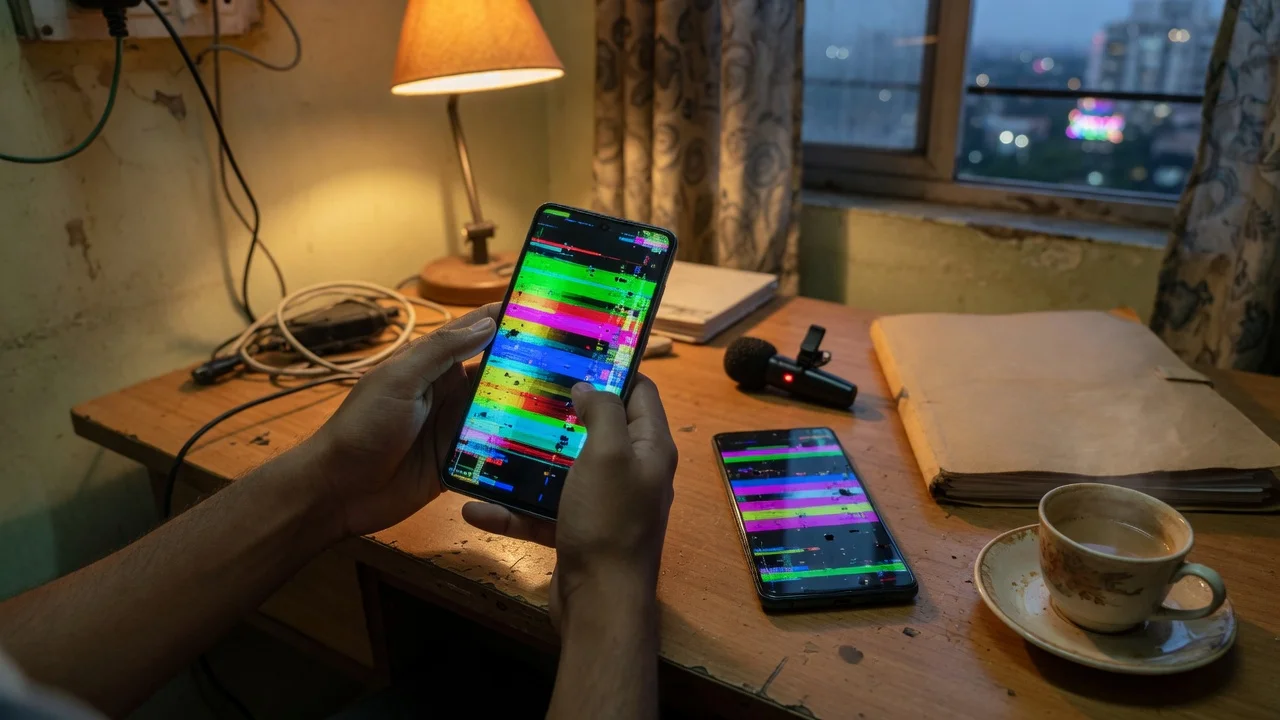
- Complaints claim the update triggered screen and microphone problems on some iPhones.
- The probe also looks at Apple’s software warranty terms, not only hardware defects.
- No final penalty or order is out yet — this is the deep-dive stage.
- If your phone glitched after iOS 18, keep bills, update dates, and service records ready.
What just happened?
You update your iPhone on a Sunday night. Next morning the screen flickers, or the mic sounds like it’s underwater on calls. That’s the kind of story that pushed this into the regulator’s inbox.
India’s Central Consumer Protection Authority — CCPA — has now ordered a detailed investigation into Apple’s iOS 18 rollout. The short version: user complaints alleged that after installing iOS 18, some iPhones developed screen and microphone problems.
This isn’t a casual “please explain” letter. A detailed investigation means the authority wants a fuller picture of what went wrong, who got hit, and how Apple’s warranty and support terms treat software-linked issues.
The interesting bit for Indian buyers is the warranty angle. People often assume phone warranty is only about a cracked glass or a dead battery. Software updates sit in a grey zone. When an official OS update is followed by hardware-like symptoms, consumers start asking a simple question: is this covered, or will the store say “not a manufacturing defect”?
CCPA stepping up the probe signals that those questions are no longer just Twitter threads and service-centre arguments. They’re on a regulator’s table.
How does this actually work?
Think of CCPA as the central consumer cop for unfair trade practices and misleading terms, not a criminal court. When enough people flag a pattern — same brand, same update, similar faults — the authority can examine whether the company handled buyers fairly.
Here the two tracks are linked. Track one is the product experience: did iOS 18 coincide with screen or mic failures for a noticeable set of users? Track two is the paperwork: what do Apple’s warranty and software terms say when an update is followed by problems that feel like hardware failure?
That second track matters a lot in India. Many of us buy iPhones on EMI from Flipkart or a multi-brand store, then walk into an authorised service centre months later. If the diagnosis is “board issue” or “mic module” after a major iOS jump, the next fight is cost and coverage. Warranty language decides whether you pay, wait, or walk out empty-handed.
A detailed investigation typically means the regulator can seek explanations, look at complaint patterns, and test whether terms are one-sided. It does not automatically mean a fine tomorrow. It also does not mean every iPhone on iOS 18 is defective. Pattern plus process is the focus.
Why iOS 18 specifically? Big yearly updates change how the phone talks to its own parts — display stack, audio path, power management. Most people update fine. A noisy minority with clear before-and-after timelines is what usually lights up consumer forums and, eventually, formal complaints.
Also worth keeping straight: this is about consumer protection process in India, not a ban on the update, not a recall order, and not a court verdict. Those are different ladders. CCPA’s move is the regulator saying the complaints are serious enough to dig deeper.
What changes for people in India?
Day to day, your App Store will still offer updates. Your UPI apps, WhatsApp calls, and office email will keep running. Nobody has told you to freeze iOS 18 or roll back by force.
What does shift is leverage — slowly. When a regulator opens a detailed probe on warranty terms around a software rollout, service-centre conversations get a bit less one-sided. You still need proof. But “software issue, not covered” as a blanket line becomes harder to defend if authorities are examining that exact grey area.
For anyone who already paid for a screen or mic repair after updating, this is the moment to organise paper trails. Invoice, IMEI, date you installed iOS 18, screenshots of the problem, job sheets from Apple authorised service, chat or email with support. Indian consumer cases move on documents, not vibes.
If you’re still on an older iOS and nervous, the practical India habit is simple: don’t update on the morning of a flight or a client call. Wait, read recent user reports for your exact model, and keep a backup. That’s not anti-Apple advice. That’s how we treat any big phone update when the device is also our bank login and office camera.
Price context stays the same. iPhones remain premium buys in INR terms. When a ₹70,000 or ₹1 lakh-plus device misbehaves after an official update, people expect the brand’s warranty story to be clear. That’s the consumer expectation CCPA is effectively testing.
One more India-specific note: many phones are bought during sale windows and registered later. If the sale invoice name and the Apple ID country settings don’t match the person standing at the service desk, claims get messy. Clean ownership records help more than angry one-star reviews.
What should you do now?
First, if your iPhone is stable on iOS 18, don’t panic-update or panic-downgrade based on headlines alone. A regulator probe is not a personal diagnostic.
Second, if you saw screen flicker, touch weirdness, or mic trouble soon after installing iOS 18, write down the timeline while you still remember it. Note the exact model — iPhone 13, 14, 15, whatever you carry. Take a short video of the fault. Back up first if the phone still allows it.
Third, use official channels. Book authorised service, get the fault written on the job sheet in plain language, and keep the copy. If they update the software again as a “fix,” ask them to record what changed. Soft answers vanish; paper stays.
Fourth, know the consumer path without turning your life into a court serial. Start with the brand’s support trail. If that fails and the cost is real money out of pocket, district consumer commissions exist for a reason. CCPA’s investigation is separate from your individual case, but a live national probe is context you can mention factually — not as a threat script.
Fifth, hold off on random third-party “board repair” shops for mic or display issues while warranty might still apply. Once an unofficial bench opens the phone, brand warranty arguments get weaker. That rule is older than iOS 18.
Finally, watch for official outcomes, not forwarded WhatsApp forwards. Detailed investigation is step one. Findings, directions, or closure will come later. Until then, treat your own device logs as the only story that pays for your repair.
Big updates will keep coming every year. The healthy habit for Indian iPhone owners is boring and effective: backup, wait a few days, update on Wi‑Fi, and keep bills in one folder — Drive, Files app, wherever you won’t lose them. Regulators can open files. You still have to open your own.




Comments (0)
Be the first to comment!