


Players spotted it before the developer admitted it — that's the real problem
So here's what happened. Crimson Desert — the action RPG from Pearl Abyss — launched to mixed reviews. But while critics were debating the game's combat and story, players on Reddit were noticing something else: certain textures and assets looked suspiciously like AI-generated art. The telltale signs were there — weird hands, inconsistent details, that slightly "off" quality that AI images have.
The developer didn't come out voluntarily. They got caught. And then they apologized.
What Crimson Desert actually is
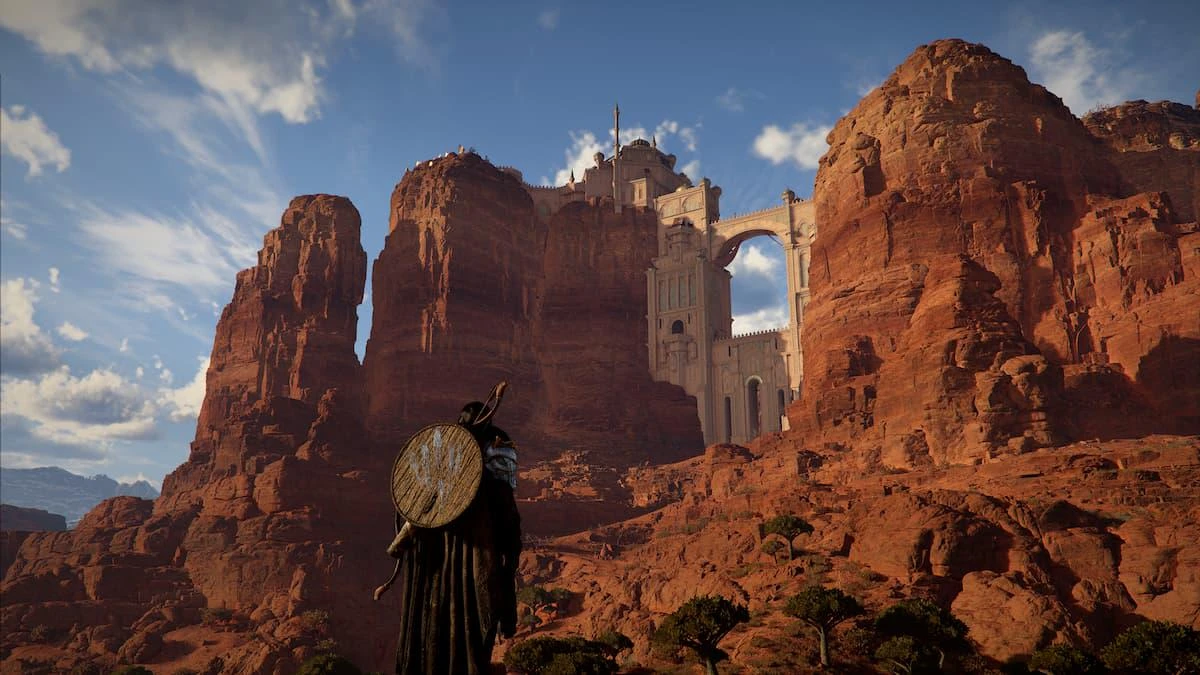
For anyone not familiar, Crimson Desert is an open-world action RPG from Pearl Abyss, the Korean studio behind Black Desert Online. It was one of the more anticipated games of the last couple of years — big budget, beautiful trailers, lots of promise. It finally launched in 2026 and the reception has been... mixed. Reviews were neither great nor terrible, but critics had concerns about the gameplay.
And then someone on Reddit — posting under the name Rex_Spy — started pointing out assets that looked AI-generated. And once you see it, you can't unsee it.
What the developer said
In a statement on X, Pearl Abyss acknowledged that yes, AI-generated art was used during Crimson Desert's development. But here's the detail they tried to lean on: they said it was intended to be placeholder art — temporary assets meant to be replaced by human-created work before the game shipped. It wasn't supposed to make it into the final release.
And yet, it did. And players noticed immediately.
The company apologized for two things: first, for the AI art actually making it into the shipped game. Second, and more importantly, for not being transparent about using AI during development at all. Their exact words: "We should have clearly disclosed our use of AI."
They also announced a "comprehensive audit" to identify every AI-generated asset in the game and replace it with human-created artwork.
Why players are so angry about this
The gaming community's reaction to AI art is strong — and it's worth understanding why, especially for Indian gamers who might wonder if this matters.
When you pay ₹3,000–₹5,000 for a game (Crimson Desert is priced around $59.99 internationally, roughly ₹5,000 on PC), you're paying for the work of artists, animators, writers, and developers. Human creative work has value. When a studio — especially one with the budget that a major release like Crimson Desert implies — uses AI-generated placeholder art that then accidentally ships in the final product, it feels like cutting corners at the expense of paying human artists.
There's also a trust issue. The backlash wasn't just "this art looks bad" — it was "you used AI and didn't tell us." Gamers increasingly want to know how their games are made. The "AI free" label has become a selling point for indie games specifically because players care enough to pay attention.
The bigger gaming AI trend
This is not the first time a game has shipped with AI-generated assets. And it won't be the last. The use of generative AI in game development has been a growing flashpoint over the past couple of years. Some large studios have embraced it openly — using AI for concept art generation, NPC dialogue, texture creation. Others, particularly smaller indie developers, have gone in the opposite direction and proudly labeled their games as "AI free."
The Crimson Desert situation sits in a messy middle: a large studio that used AI as a placeholder tool, didn't disclose it, and then accidentally shipped it. That's a worse look than either openly using AI or openly avoiding it.
Games that have faced similar backlash include several high-profile titles where players spotted AI-generated images in promotional materials or in-game. The Hachette book controversy we covered recently — where a horror novel was pulled over AI concerns — is the same phenomenon happening in games. Audiences are getting good at spotting it.
What this means for Indian gamers
For Indian PC gamers and console players, a few things are worth noting. Crimson Desert is available on PC — it's on Steam. At international pricing around $59.99, that's approximately ₹5,000 via Steam, though Indian regional pricing sometimes brings this down. Check Steam India pricing before buying.
If you've already bought it — the developer's commitment to a comprehensive audit means patches are coming that will replace the AI assets. The game should look more polished over time as those replacements roll out. Whether that satisfies you depends on how much the AI art bothered you.
For Indian game developers and art students — this story is a useful data point. The gaming community's rejection of undisclosed AI art is real and measurable. If you're building games in India and considering using AI-generated assets, the industry signal right now is: disclose it, or expect to be called out.
My honest take
The "it was meant to be placeholder" excuse is partially believable and partially frustrating. Game development is chaotic — placeholder assets do slip through. It happens with text ("Lorem ipsum" in shipped games), with audio, with everything. So I believe the intent wasn't to ship AI art.
But here's the thing: a studio of Pearl Abyss's size should have QA processes that catch this. "We accidentally shipped placeholder AI art because our audit process failed" is not a flattering explanation for a major release. It means their pipeline was sloppy.
The transparency failure is worse than the art itself. Gamers in 2026 are sophisticated. If Pearl Abyss had disclosed during development that they used AI for rough placeholder work while human artists finished the final assets, the reaction would have been much smaller. Instead, they said nothing, players found it post-launch, and now the story is about the cover-up rather than the process.
The audit is the right response. Watching whether they actually follow through — and how fast — is what matters now.





Comments (0)
Be the first to comment!