


What’s happening?
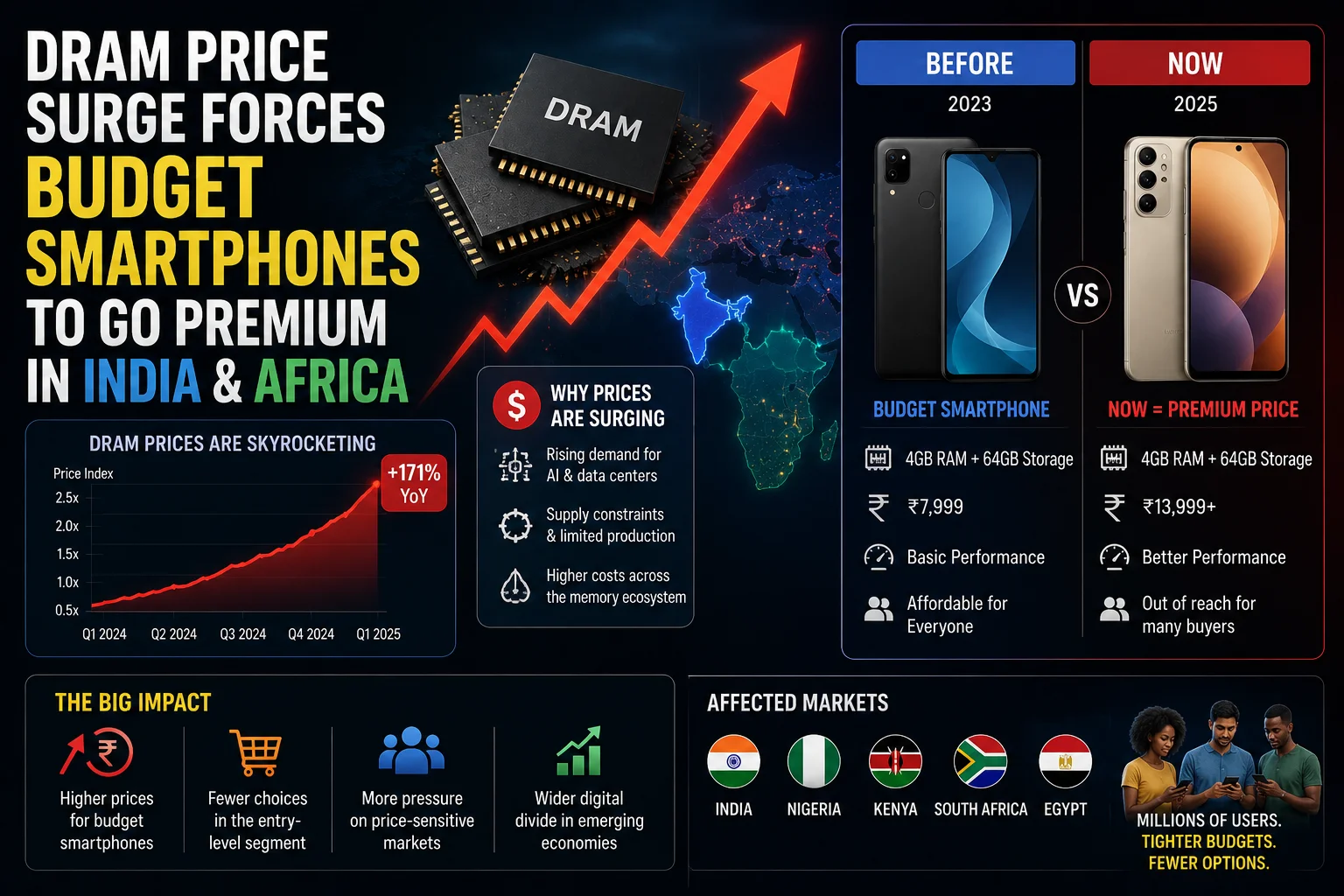
In the last six months the cost of DRAM – the memory chips that store everything from apps to photos – has jumped by almost 30%. The ripple effect? Phone makers are now cramming more RAM into their devices and, as a result, the price tags on phones that used to sit comfortably under $200 (₹15,000) are creeping up.
Why DRAM matters for a budget phone
Most users think “RAM” is only for gamers, but even a simple social‑media scroll needs a decent amount of memory. When a phone has just 2 GB of RAM, Android’s background services can choke, leading to lag and frequent app‑crashes. Manufacturers know this, so they’re adding 4 GB or even 6 GB to stay competitive.
The numbers
• 2023 Q4: Global average price of a 1 GB DRAM chip was $4.20.
• 2024 Q2: Same chip is now $5.45 – a 30% hike.
• A typical 4 GB module in a budget phone adds roughly $8‑$10 to BOM (Bill‑of‑Materials).
That $8‑$10 might look tiny, but when a device’s total BOM is $50‑$60, it’s a 15‑20% increase. To keep margins, OEMs either raise the retail price or shift to a higher‑priced SKU.
India & Africa – the real impact
Both markets have massive demand for sub‑₹15,000 phones. In India, 70% of shipments in 2023 were under ₹12,000. In Africa, the $120‑$150 bracket dominates. With DRAM costs up, many of the “entry‑level” models are disappearing.
For example, a popular 6.5‑inch Android phone that launched in early 2023 with 2 GB RAM and a Snapdragon 680 was priced at ₹9,999. The same brand’s refreshed model in August 2024 now ships with 4 GB RAM, a MediaTek Helio G85, and costs ₹12,999 – still affordable, but the 2 GB version is out of stock.
What brands are doing
Samsung and Xiaomi are the most vocal. Samsung’s Galaxy M13 (2 GB) was discontinued in India; the M14 now starts at 4 GB and ₹13,499. Xiaomi’s Redmi 10A (2 GB) vanished, replaced by Redmi 10C (4 GB) at ₹11,999.
Chinese OEMs like Realme and Tecno are also tweaking their line‑ups, bundling extra RAM but pushing the price a little higher. The trend is being called “forced premiumization” – you get a better spec, but you pay more.
What does this mean for the average consumer?
1. Less room for ultra‑cheap phones. If you were looking for a ₹7,999 device, options are drying up.
2. Better performance for the price you do pay. The extra RAM means smoother multitasking, fewer freezes, and longer software support.
3. Shift to other platforms. Some shoppers may consider refurbished devices or older stock from last year.
TamilTech’s take
We think the move is a double‑edged sword. On one hand, a 4 GB RAM phone at ₹12,000 is a huge upgrade over a 2 GB model at ₹8,000 – the day‑to‑day experience will feel premium. On the other hand, the price creep pushes a chunk of first‑time buyers into the “no‑phone” zone, especially in tier‑2 towns where ₹2,000‑₹3,000 matters.
For Indian users who rely heavily on UPI, WhatsApp, and YouTube, the extra RAM is a welcome change. But if you’re just buying a device for calls and occasional texting, you might still be overpaying.
What to watch next
The DRAM market is still volatile. If supply chain hiccups ease and memory manufacturers ramp up production, prices could stabilise by Q4 2024. Until then, expect more “mid‑range” phones to replace the classic entry‑level segment.
Our advice: keep an eye on flash sales on Amazon India, Flipkart, and local e‑com sites. Often the older 2 GB models pop up with deep discounts right before the new stock lands.
Bottom line – you’ll get a better phone, but you’ll pay a little more. Decide if the performance boost is worth the extra ₹2,000‑₹3,000 for your usage pattern.





Comments (0)
Be the first to comment!