


What’s the buzz?
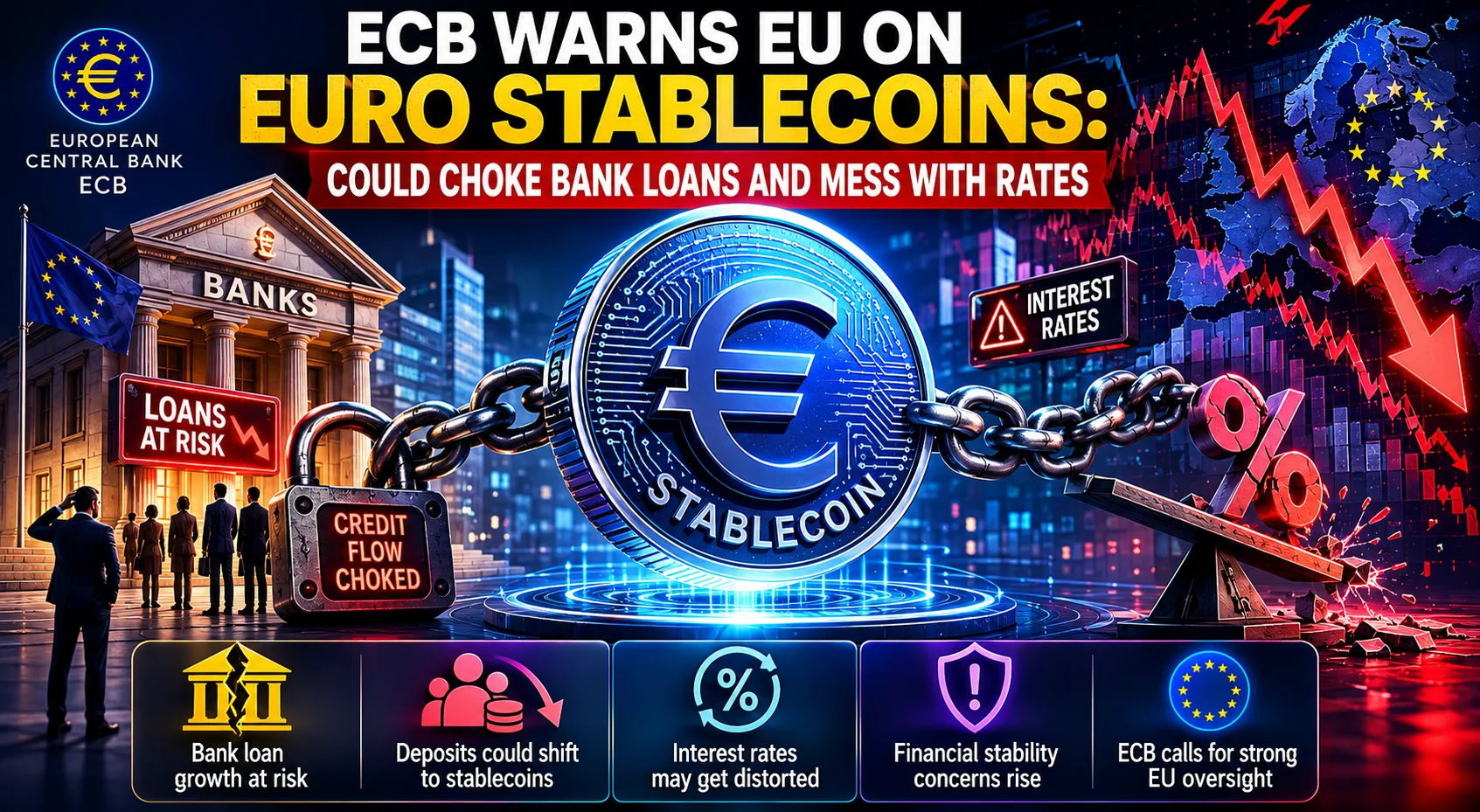
Europe’s top money‑watchdog, the ECB, just dropped a warning that the EU’s new push for euro‑stablecoins could backfire. In plain English – if banks start handing out more digital coins instead of traditional loans, the flow of credit to businesses and households could dry up, and the ECB’s ability to steer interest rates might get a lot harder.
Why the ECB is nervous
Stablecoins are crypto‑style tokens that promise a 1:1 peg to a fiat currency – in this case, the euro. They’re supposed to be fast, cheap and borderless, which sounds great for payments. But the ECB sees a hidden danger: when people keep money in a stablecoin, that cash disappears from the banking system. Banks lose deposits, which means they have less cheap money to lend out. Less lending = slower growth, especially for SMEs that rely on bank credit.
On top of that, the ECB’s main tool – the policy rate – works because banks borrow from the central bank and pass on that cost to borrowers. If a chunk of euro‑money lives outside the banking loop, the transmission of rate changes gets fuzzy. The central bank could raise rates, but the impact on loan rates would be muted, and vice‑versa.
Numbers and proposals
The European Commission is currently drafting a “Euro‑Stablecoin Framework”. It would let licensed entities issue digital tokens backed 100% by euro reserves. The ECB’s concern isn’t about the tech – it’s about the macro‑impact. A study by the ECB’s research department suggests that if stablecoins captured just 5% of euro‑area deposits, bank loan growth could fall by up to 0.5% per year. That sounds tiny, but over a decade it adds up to billions of euros in lost credit.
What this means for India
India is watching Europe’s experiment closely. Our own RBI is already mulling a central‑bank digital currency (CBDC) and has warned against unchecked crypto‑stablecoins. If the EU’s stablecoin market takes off, Indian fintechs could face new competition for cross‑border payments. On the flip side, a stable regulatory environment could give Indian firms a template to launch INR‑stablecoins that stay within the banking system, preserving credit flow.
For everyday users, the biggest impact could be on payment apps like PhonePe or Google Pay. If a euro‑stablecoin becomes popular for Euro‑zone tourists in India, you might see a new “Euro‑Coin” option in the app, but the underlying euros would sit in a special vault, not in your bank account.
TamilTech’s take
We think the ECB’s warning is spot‑on. The allure of stablecoins is strong – instant settlement, low fees – but the banking sector is the engine of economic growth. If we let deposits flee to digital tokens without a safety net, we risk a credit crunch. That’s why any stablecoin framework must include strict reserve‑backing rules and a clear “deposit‑to‑bank” conversion path.
In India, the lesson is clear: regulators should allow innovation but keep a leash on how much money can move out of the traditional system. A hybrid model – where stablecoins are issued by banks themselves, with real‑time reporting to the RBI – could give the best of both worlds.
What’s next?
The ECB will keep pressing EU finance ministers to embed these safeguards in the upcoming legislation. Expect tighter capital‑reserve requirements for stablecoin issuers and mandatory reporting of token holdings. Meanwhile, Indian policymakers will likely cite the ECB’s concerns when shaping their own digital‑currency roadmap.
Bottom line: stablecoins are not a free lunch. They bring speed, but they also pull money away from banks, which could choke credit and make monetary policy a tougher game. Keep an eye on the EU debate – it will set the tone for how the rest of the world, including India, balances innovation with financial stability.






Comments (0)
Be the first to comment!