


What happened?
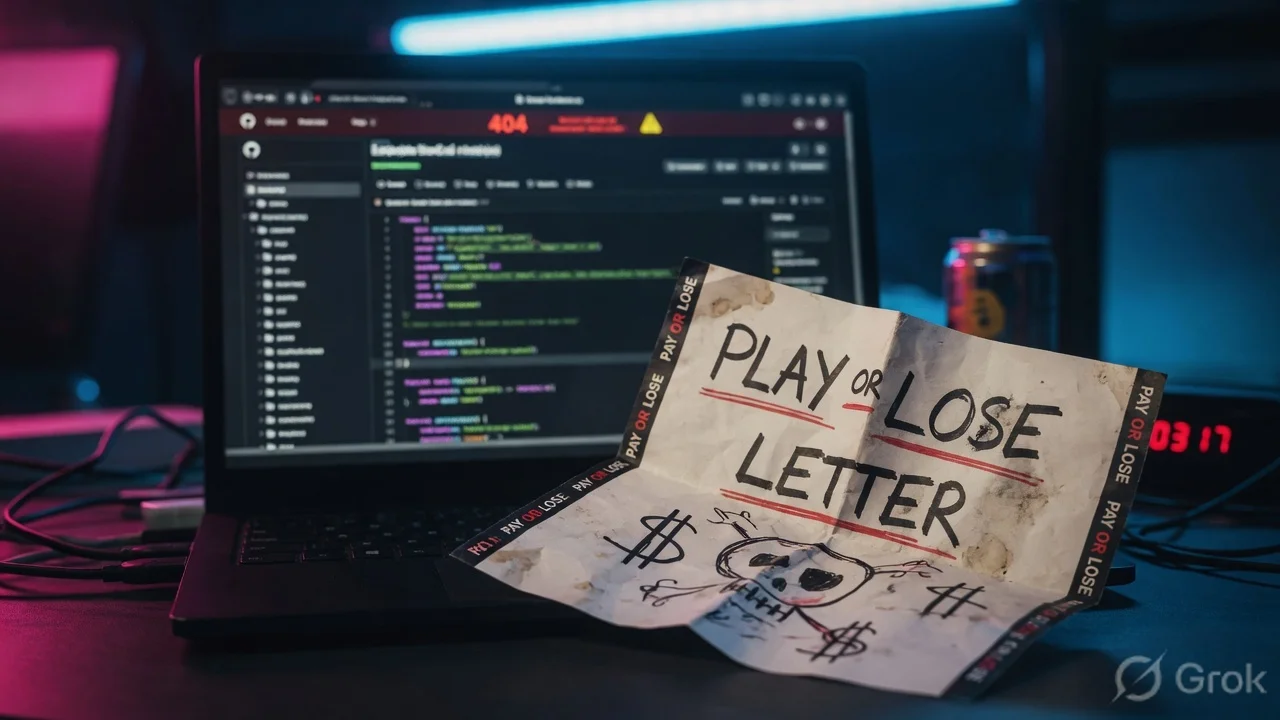
Earlier this week Grafana Labs announced that an unknown threat‑actor had gained access to its GitHub organization and encrypted several repositories. The attackers left a ransom note demanding a hefty sum in Bitcoin to hand over the decryption key. Grafana’s security team quickly isolated the breach, restored the affected repos from backups and publicly refused to pay the ransom.
How the attackers got in
According to Grafana’s statement, the intruders exploited a compromised personal access token (PAT) belonging to a former employee. The token had excessive permissions – it could read and write to all repos in the org. Once inside, the hackers cloned the private and public code, then used a simple encryption script to lock the files and push the changes back to GitHub.
What was taken?
The compromised repos included the core Grafana server, several plugins, and internal CI/CD pipelines. Nothing sensitive like customer data or private keys was stored in those repos, but the source code is the intellectual property of a company whose products power dashboards for banks, telecoms and e‑commerce sites across India.
Grafana’s response
Grafana’s security lead said the team restored the encrypted repos from a clean backup taken a day before the attack. They also rotated all PATs, enforced stricter scopes, and enabled mandatory two‑factor authentication (2FA) for every org member. The company posted a public statement refusing to negotiate with the extortionists, calling the demand “unacceptable” and assuring customers that the codebase remains intact.
Why Indian developers should care
Many Indian startups and enterprises rely on Grafana for monitoring Kubernetes clusters, IoT devices and UPI transaction pipelines. A breach like this could have ripple effects:
- Supply‑chain risk: If a malicious actor managed to inject back‑door code before the repos were restored, it could spread to every downstream deployment.
- Compliance headache: Financial institutions under RBI guidelines must prove the integrity of their monitoring stack. Any tampering, even temporary, may trigger audits.
- Cost of downtime: Re‑building dashboards or rolling back to older versions can cost hours of engineering time – a real hit for lean Indian teams.
What you can do right now
Here’s a quick checklist for anyone running Grafana or any open‑source stack on GitHub:
- Audit all
personal access tokens. Revoke any that have broad scopes likerepooradmin:org. Create new tokens with the minimum permissions needed. - Enable two‑factor authentication (2FA) for every collaborator. Use an authenticator app rather than SMS for stronger security.
- Set up branch protection rules: require pull‑request reviews, status checks and disallow force‑pushes to main branches.
- Enable GitHub’s code scanning and secret scanning alerts. They’ll flag suspicious commits or leaked credentials automatically.
- Maintain daily backups of your repos. A clean snapshot can save you days of lost productivity.
Indian context – will this affect pricing?
Grafana Cloud’s free tier remains unchanged, but the incident may push some enterprises to consider the paid “Grafana Enterprise” plan for its additional security features and dedicated support. In India, the Enterprise tier starts at roughly ₹12,000 per month for 50,000 metrics – a price many mid‑size SaaS firms can absorb for peace of mind.
TamilTech’s take
We think Grafana handled the crisis well – they didn’t cave to ransom, they communicated transparently, and they tightened their security posture fast. The real lesson for Indian devs is that open‑source doesn’t mean open‑door. Every token, every repo permission is a potential attack vector.
If you’re still using default GitHub permissions or sharing tokens in Slack, consider this a wake‑up call. The cost of a single compromised token can far outweigh the price of a proper security program.
What’s next?
Grafana promises a “post‑mortem” blog post with technical details in the coming weeks. Expect more guidance on securing PATs and a possible new feature in Grafana Cloud that auto‑detects tampered dashboards.
For Indian teams, the next step is simple: audit, enforce 2FA, and backup. The threat landscape won’t wait.





Comments (0)
Be the first to comment!