


Key takeaways
- Google now wants KYC from Indian developers who sell apps, games, or in-app items to users outside India.
- This sits under RBI’s Payment Aggregator Cross Border framework — Play Store settlements for overseas buyers fall in that bucket.
- India-only listings are fine for now. International sales are what trigger the check.
- Indie game makers and SaaS builders earning USD or other forex feel the friction first.
- Skip KYC and overseas payouts can freeze, or new international purchases can get blocked.
You ship an app. A few players in the US buy the premium pack. Money shows up in INR. For years that felt like a simple pipe.
That pipe just got a compliance gate.
What just happened?
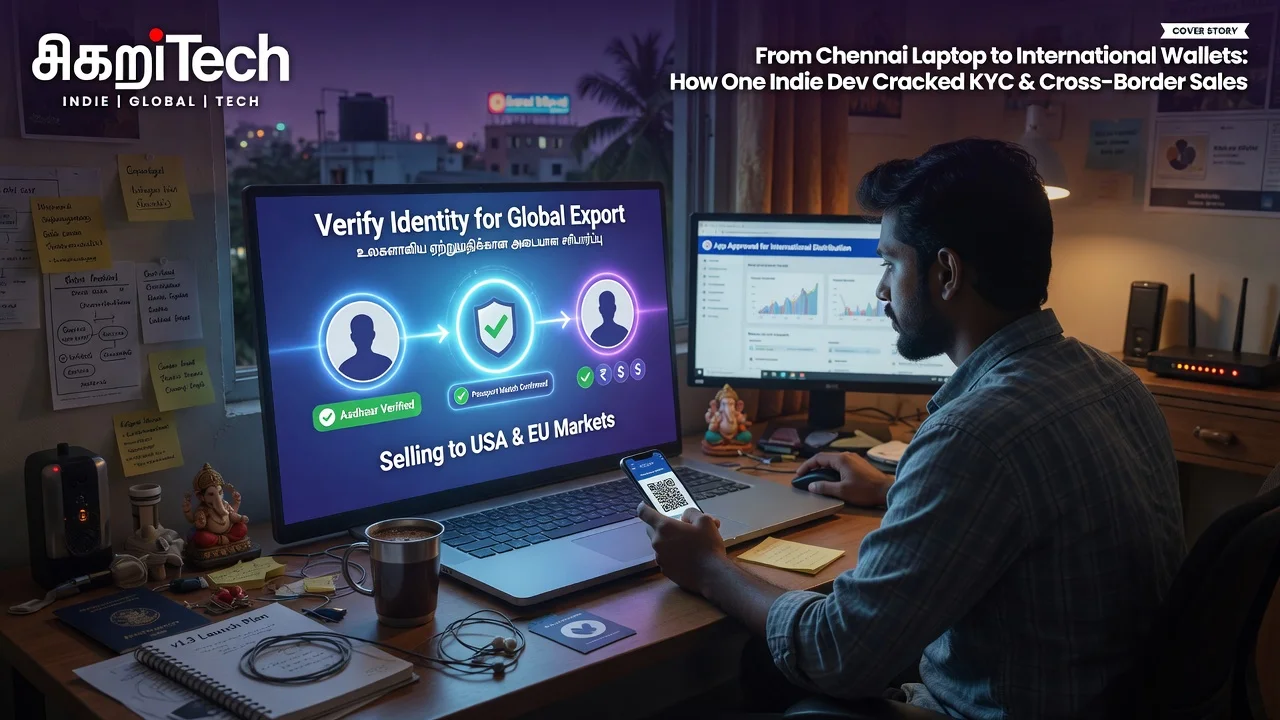
Google has started telling Indian developers: if you sell to anyone outside India, finish KYC.
App, game, in-app purchase — doesn’t matter. User in the US, Europe, Southeast Asia, anywhere else? You’re in the net.
Sell only inside India? You can ignore the mail for now. Even a handful of foreign paid downloads puts you on the list.
Google isn’t doing this for fun. Play Store money from those overseas buyers sits inside India’s cross-border payment rules. Google has to treat those flows like a regulated payment aggregator.
Tone from Google is blunt enough: complete it, or international sales and settlements can get stuck.
This lands when Indian indie games and utility apps are actually finding audiences abroad. A lot of those teams run lean. One more form, one more document upload, one more approval wait — heavy when you’re already juggling builds, store listings, and support across time zones.
How does this actually work?
Root cause: RBI’s Payment Aggregator Cross Border framework.
Plain English: any entity that collects money from foreign users on behalf of Indian merchants has to do stricter know-your-customer checks.
Google Play is that collector for digital goods. Say a user in Germany buys your premium subscription. The money travels through Google’s rails before it hits your Indian bank account. Google becomes the aggregator for a cross-border transaction. So you — the merchant — must be KYC-verified under Indian rules.
Google is rolling this out to developer accounts that already show international sales activity.
The process is the usual identity and business verification dance: proof of identity, address, and in many cases PAN or business registration details. Payments side needs to match you to a real entity.
Once cleared, the account stays eligible for global commerce. Until then, new overseas purchases can face blocks and existing payouts can sit in limbo.
This isn’t a one-time marketing stunt. It’s compliance alignment. Payment aggregators in India have faced tighter oversight for years. The cross-border piece was always going to catch digital marketplaces. Play Store just happens to be the biggest one for most mobile developers.
Apple has its own merchant verification layers. Google is catching up on the India-specific RBI angle.
Expect the request inside Play Console or on the registered email. Ignoring it is not a smart plan. The framework exists to cut misuse of payment rails, money-laundering risk, and unclear beneficiary trails. Once the regulator draws the line, Google has little room to carve out exceptions for small studios.
What changes for people in India?
India’s developer scene leans hard on global revenue. Domestic ARPU on many categories stays modest.
A puzzle game that earns a few thousand rupees a day from Indian users can jump when US and European players start buying coins or removing ads. That forex conversion into INR keeps many two-person teams alive.
A KYC gate slows the first payout cycle. Anyone who has never touched formal payment-aggregator paperwork will feel the anxiety.
Larger studios with finance teams will shrug and upload documents in an afternoon. Solo makers and college projects that suddenly went viral will scramble. Some may pause international pricing until the account clears — lost sales during the wait.
Once KYC is done, settlements continue as before. But any mismatch in name, PAN, or bank details can trigger fresh reviews. Clean records help.
Quiet upside: cleaner merchant data across the rails. Banks and Google both see a clearer trail. Long-term trust goes up for teams that finish it properly.
This isn’t a Flipkart or Jio consumer story. It’s a Play Console story — creators shipping apps and living off that forex loop.
What should you do now?
If you have international sales on Play Store, don’t ignore the KYC mail or console notice.
Get identity proof, address proof, and PAN or business registration ready. Upload what Console asks. Exact list can vary account to account.
Match names and bank details to the verified merchant profile. Mismatches cause fresh holds even after you “finish” the form.
India-only for now? Still worth keeping docs tidy. The moment a foreign paid user shows up, this gate can open.
Finish it early. Waiting until payouts freeze is the expensive way to learn the rule.



Comments (0)
Be the first to comment!