


Key Takeaways
- Gurugram Police registered FIR against Meesho and a seller for alleged sale of toxic 'Sulfas' linked to a minor's death
- The incident highlights growing regulatory scrutiny on e-commerce platforms selling health products
- Meesho's model of zero-commission reselling faces legal challenges over product safety
- Online marketplaces must strengthen verification processes for health-related products
- Consumer safety concerns are driving stricter enforcement in India's e-commerce sector
What's the News
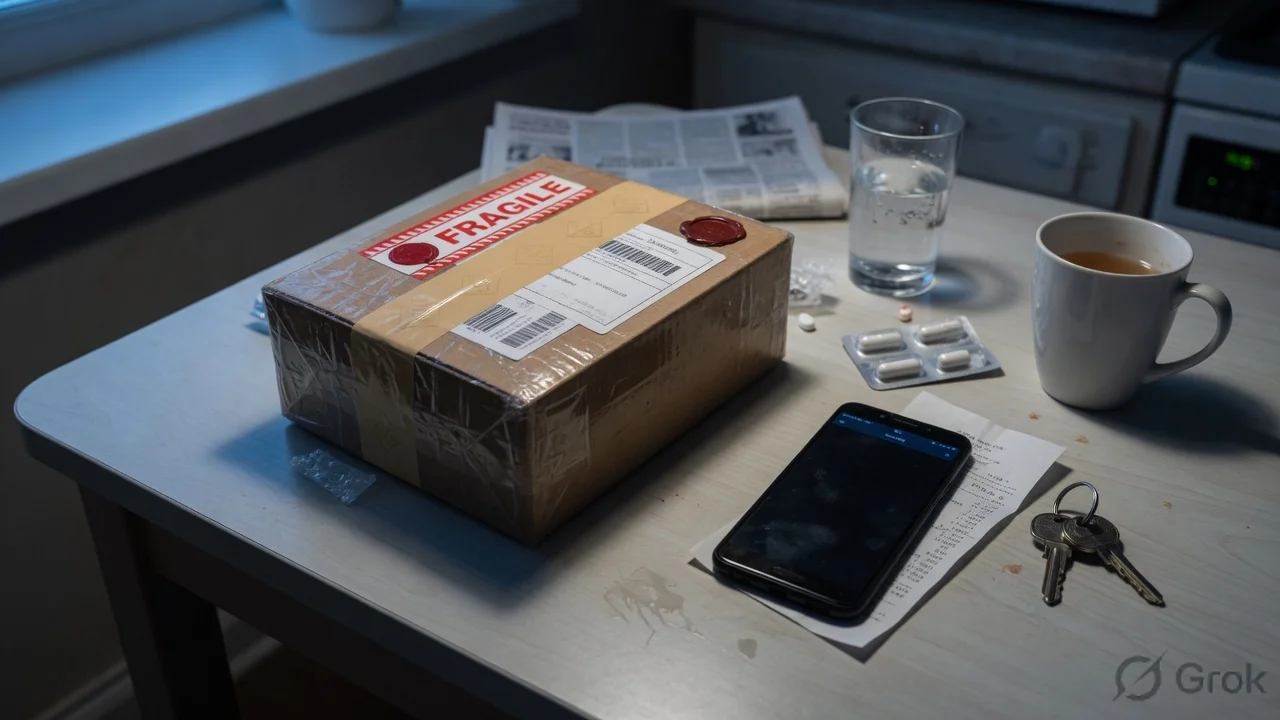
Gurugram Police have taken serious action against e-commerce giant Meesho following the tragic death of a minor allegedly linked to consumption of toxic 'Sulfas' purchased through the platform. The FIR, registered under relevant sections dealing with negligence and product liability, names both Meesho as a platform and one of its sellers as responsible parties. This incident marks a significant escalation in the crackdown on potentially harmful products sold through online marketplaces in India. The case emerged after forensic reports confirmed that the 'Sulfas' consumed by the minor contained toxic substances not listed on the product labeling. Police investigations revealed that the product was listed by an independent seller on Meesho's platform, with the company taking a commission on the transaction. The platform's zero-commission model, which allows individual resellers to list products without upfront costs, has come under scrutiny for potentially inadequate vetting of health-related items.Details
According to police reports, the incident occurred in early July when a family purchased the 'Sulfas' product from Meesho, believing it to be a legitimate health supplement. The minor consumed the product as directed, leading to severe health complications and eventual death. Post-mortem examination revealed the presence of toxic substances not disclosed in the product description or packaging. The seller, who operates independently on Meesho's platform, allegedly sourced the product from an unverified supplier and misrepresented its contents. What makes this case particularly concerning is that Meesho's platform facilitated the transaction without implementing adequate safety checks for health-related products. The company's standard operating procedure for seller verification appears insufficient for potentially dangerous items like medicines and supplements. Gurugram Police have seized records of the transaction and are investigating the supply chain to identify all responsible parties. The FIR includes charges of negligence, culpable homicide not amounting to murder, and violation of consumer protection laws. Legal experts suggest that this case could set a precedent for holding e-commerce platforms accountable for third-party seller actions.India Impact
This incident sends shockwaves through India's rapidly growing e-commerce sector, which has seen explosive growth since the pandemic. With platforms like Meesho enabling millions of small sellers to enter the digital marketplace, questions about platform responsibility have become increasingly urgent. The Indian government has been gradually tightening regulations around e-commerce, but this case highlights gaps in the current framework. The Consumer Protection Act 2019 provides some recourse for affected consumers, but enforcement remains challenging. The Central Consumer Protection Authority (CCPA) has been increasingly active in monitoring online marketplaces, but the scale of operations makes comprehensive oversight difficult. This incident could prompt stricter regulations specifically targeting health and wellness products sold online. For Indian consumers, particularly those in smaller cities and towns where e-commerce penetration is growing rapidly, this incident underscores the need for greater awareness about product safety. Many consumers rely on online platforms for health products due to convenience and perceived lower costs, but this case demonstrates the risks involved.Use Cases
For consumers, this incident serves as a reminder to exercise caution when purchasing health-related products online. While e-commerce platforms offer convenience and competitive pricing, buyers should verify seller credentials, check product certifications, and be wary of unusually low prices on health products. The case also highlights the importance of keeping purchase receipts and product packaging for potential legal recourse. For sellers on platforms like Meesho, this incident emphasizes the critical importance of product verification and compliance. Sellers must ensure they are sourcing products from legitimate manufacturers and providing accurate information about product contents and certifications. The zero-commission model that attracts many sellers also comes with increased responsibility for product safety. For e-commerce platforms, this case underscores the need for robust seller verification processes, especially for health and wellness categories. Platforms must implement stricter quality checks, require proper documentation for health products, and establish clear accountability mechanisms for third-party sellers. The business model of facilitating transactions without direct inventory control must be balanced with consumer protection responsibilities.Honest Take
The tragic death of a minor due to allegedly toxic products sold through Meesho represents a significant failure in the platform's duty of care. While Meesho's model of empowering small sellers has democratized e-commerce in India, this incident reveals the dark side of rapid growth without adequate safety measures. The company's response to this crisis will be crucial in determining its future trajectory and the broader e-commerce landscape in India. What's particularly concerning is that this isn't an isolated incident. Various reports have highlighted issues with counterfeit and substandard products being sold through online marketplaces, particularly in categories like medicines, supplements, and personal care products. The challenge for platforms like Meesho is balancing their growth ambitions with the fundamental responsibility of ensuring consumer safety. The regulatory environment in India is evolving, with authorities increasingly recognizing the need for e-commerce platforms to be held accountable for third-party seller actions. This case could accelerate the development of more comprehensive regulations specifically targeting online marketplaces. While this may increase compliance costs for platforms, it's a necessary step to protect consumers and maintain trust in digital commerce. For Indian consumers, this incident is a wake-up call to be more discerning about online purchases, especially for health-related products. While e-commerce offers unprecedented convenience and choice, consumers must remain vigilant and report suspicious products or sellers to platform authorities and regulatory bodies.FAQs
Frequently Asked Questions
Q: What exactly are 'Sulfas' and why are they dangerous?
A: 'Sulfas' typically refer to sulfasalazine or similar compounds used in treating certain medical conditions. In this case, the product allegedly contained toxic substances not listed on the label, making it dangerous for consumption.
Q: Is Meesho directly responsible for what sellers list on their platform?
A: This is the central legal question in this case. While platforms aren't typically held directly responsible for third-party sellers, this incident may establish new precedents for platform liability in India.
Q: How does this affect other e-commerce platforms in India?
A: This incident could lead to increased regulatory scrutiny across the e-commerce sector, particularly for platforms selling health and wellness products. Other platforms may need to strengthen their seller verification processes.
Q: What should consumers do if they've purchased similar products from Meesho?
A: Consumers should verify product authenticity, check for proper certifications, and report any suspicious products to both the platform and consumer protection authorities.
Q: Could this impact Meesho's business model?
A: While the immediate impact may include increased compliance costs and potential legal challenges, this incident could also push Meesho to implement stronger safety measures that might actually build consumer trust in the long run.




Comments (0)
Be the first to comment!