


What happened?
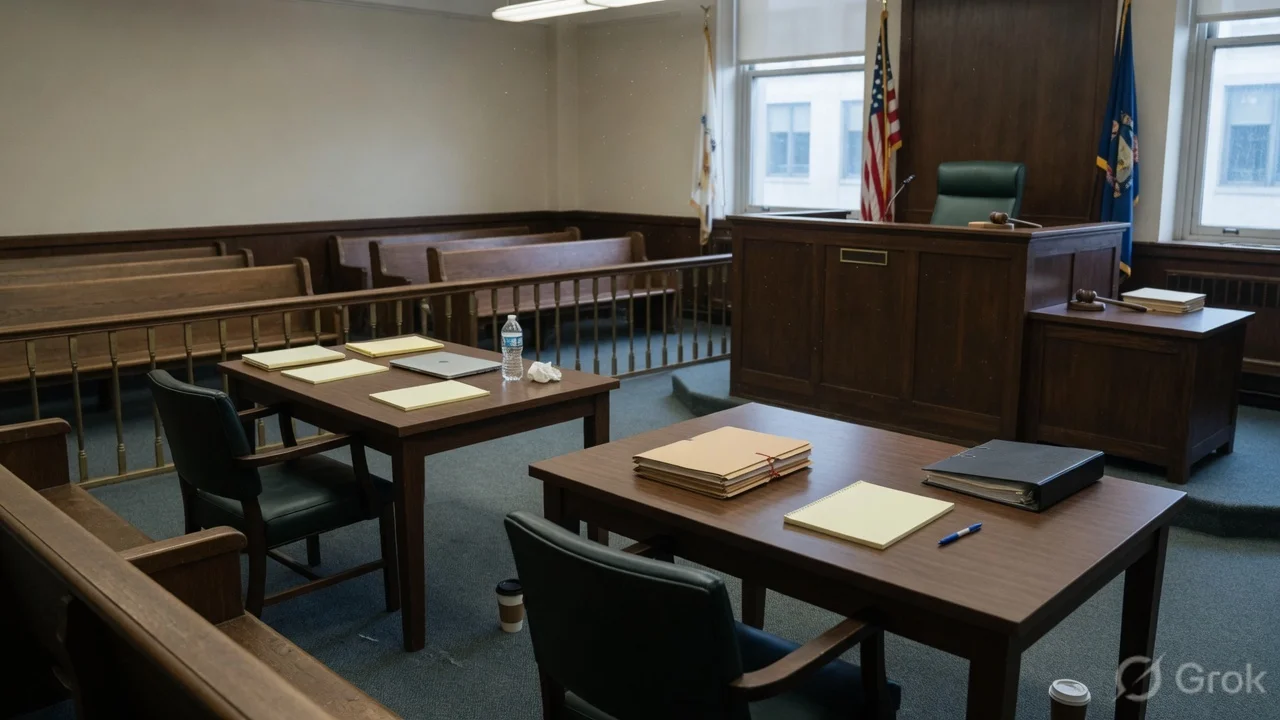
Last week a federal judge in New York tossed out the lawsuit that Elon Musk filed against OpenAI’s CEO Sam Altman. The case was about Musk’s claim that Altman and the board violated a 2023 agreement that gave Musk a “right of first refusal” on a future OpenAI share‑sale. The judge didn’t even look at whether Musk’s claim was legit – she said the parties missed a filing deadline, so the case was dismissed on a procedural technicality.
Why Musk says the ruling is meaningless
In a terse tweet thread Musk blasted the decision, writing that the judge and jury “never actually ruled on the merits of the case, just on a calendar technicality.” He added that his legal team will file an appeal and that the fight is far from over. In plain English, Musk is saying the court’s decision is a “gotcha” on paperwork, not a verdict on the substance of his contract claim.
The core dispute in plain terms
Back in 2023, after Musk’s $44 billion buy‑out of Twitter, he signed a side‑deal with OpenAI that gave him the right to buy shares before anyone else if the company ever went public or sold equity. Fast forward to 2024: OpenAI raised a fresh $10 billion round, and Musk argues that the board ignored his right and sold shares to other investors. Altman’s camp says the agreement never covered this round and that Musk’s claim is baseless.
Legal nitty‑gritty
The judge’s order focused on Rule 4(b) of the Federal Rules of Civil Procedure – basically a deadline for filing a “notice of appeal.” Musk’s lawyers missed the 30‑day window, so the judge dismissed the case without touching the contract language. That’s why Musk is calling it a “calendar technicality.”
What does this mean for Indian investors?
OpenAI’s tech is behind many Indian startups – from AI‑powered chat‑bots in e‑commerce to content‑creation tools used by YouTubers. If Musk eventually gets a court‑ordered share‑sale, it could push OpenAI’s valuation higher, making its API pricing rise for Indian developers. On the flip side, a prolonged legal battle could stall any new funding round, keeping prices stable for now.
How this could affect your daily tech life
1. API pricing: A higher valuation often translates to higher usage fees. If you’re using ChatGPT‑4 for a SaaS product, expect a modest price bump in the next quarter.
2. Local partnerships: Indian firms eyeing a joint‑venture with OpenAI might see a delay as the board focuses on legal distractions.
3. Investor sentiment: Venture capitalists in Bengaluru and Hyderabad watch these headline battles. A win for Musk could make AI‑centric startups more expensive to fund.
TamilTech-ஓட கருத்து
Honestly, the whole drama feels like a Hollywood sequel – big personalities, massive money, and a lot of paperwork. The real question for us is whether this will change the cost of AI services we rely on. If Musk’s appeal succeeds, OpenAI might be forced to issue more shares, diluting existing investors but potentially lowering the price per API call for Indian developers. If the appeal fails, we could see a quiet status‑quo.
What to expect next
Musk’s team has 21 days to file a notice of appeal. If they do, the case will go to the 2nd Circuit Court of Appeals, which could take months. Meanwhile, Altman’s board will likely continue fundraising, possibly with new investors from the Middle East or Europe. Keep an eye on OpenAI’s quarterly earnings – any mention of “share‑sale” or “valuation” will be a clue.
Bottom line
For the average Indian tech user, the courtroom drama won’t change your phone’s UI tomorrow. But for developers building on OpenAI’s platform, the outcome could affect pricing and availability of the next‑gen models. Stay tuned, and keep an eye on the legal filings – they might just dictate the cost of the AI tools you love.



Comments (0)
Be the first to comment!