Key Takeaways#
- Finance Ministry has officially ruled out consumer UPI charges, maintaining zero MDR for users
- Merchants will continue to bear the cost of digital payments through existing MDR structure
- UPI remains free for consumers across all payment apps and platforms
- This decision strengthens India's position as a leader in digital payments infrastructure
What's the news#
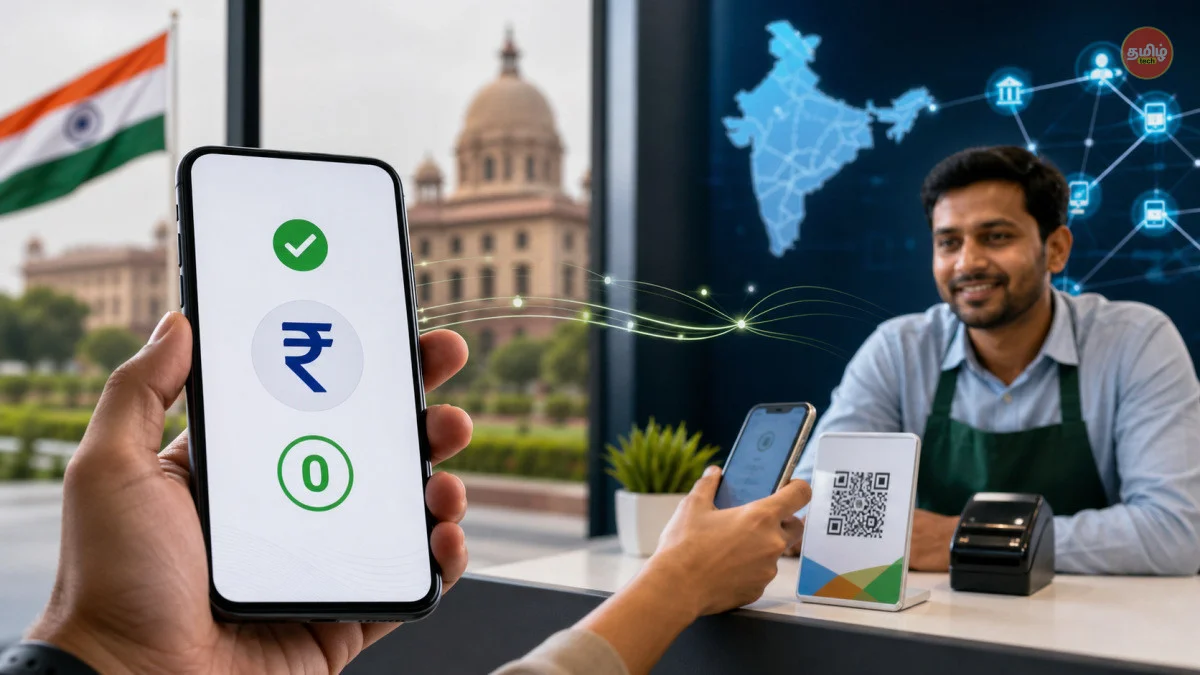
The Finance Ministry has drawn a clear line in the ongoing MDR debate, officially ruling out any charges for consumers using UPI (Unified Payments Interface) for their transactions. This move comes as a relief to millions of Indians who have embraced UPI for their daily digital payment needs, from splitting bills with friends to paying for groceries at local stores. The decision maintains the status quo where consumers pay nothing for digital transactions, while merchants continue to bear the cost of accepting these payments.
Details of the decision#
The announcement specifically addresses the growing debate around whether consumers should bear some cost for digital transactions, particularly as UPI usage has exploded across the country. Currently, merchants pay a small percentage (typically 1-2%) as MDR (Merchant
Discount Rate) to banks and payment aggregators. The Finance Ministry's stance makes it clear that this cost structure will remain unchanged for consumers. The decision also reinforces the
government's commitment to making digital payments accessible and affordable for every Indian, regardless of their economic background.
India impact#
This decision has significant implications for India's digital payment ecosystem. With over 300 million UPI users and billions of monthly transactions, keeping consumer charges at zero is crucial for maintaining the inclusive nature of India's digital payments revolution. The move particularly benefits small merchants and rural users who rely heavily on UPI for their daily transactions. It also positions India as a global leader in digital payments, with a model that other countries are studying. The zero-cost structure for consumers has been instrumental in driving UPI adoption across diverse segments of Indian society.
Use cases#
The impact of this decision can be seen across various use cases in India. Street vendors in Mumbai using QR codes for payments, small businesses in Chennai accepting UPI, students in Delhi splitting bills at cafes, and families in rural areas paying bills online – all benefit from the zero-cost structure for consumers. The decision ensures that UPI remains accessible for everyone, from tech-savvy urban users to first-time digital payment adopters in villages. This inclusivity is key to India's vision of a less-cash economy.
Honest take#
While the decision to keep UPI free for consumers is welcome, it raises questions about the
sustainability of the current model. The cost of digital payments doesn't disappear – it's simply shifted to merchants, which could eventually impact pricing for consumers. However, given India's unique position as a digital payments pioneer, this short-term approach makes sense. The real challenge will be finding a balance that maintains UPI's accessibility while ensuring the ecosystem's long-term viability. For now, Indian consumers can breathe easy knowing their favorite payment app won't start charging them anytime soon.





Comments (0)
Be the first to comment!