


Key takeaways
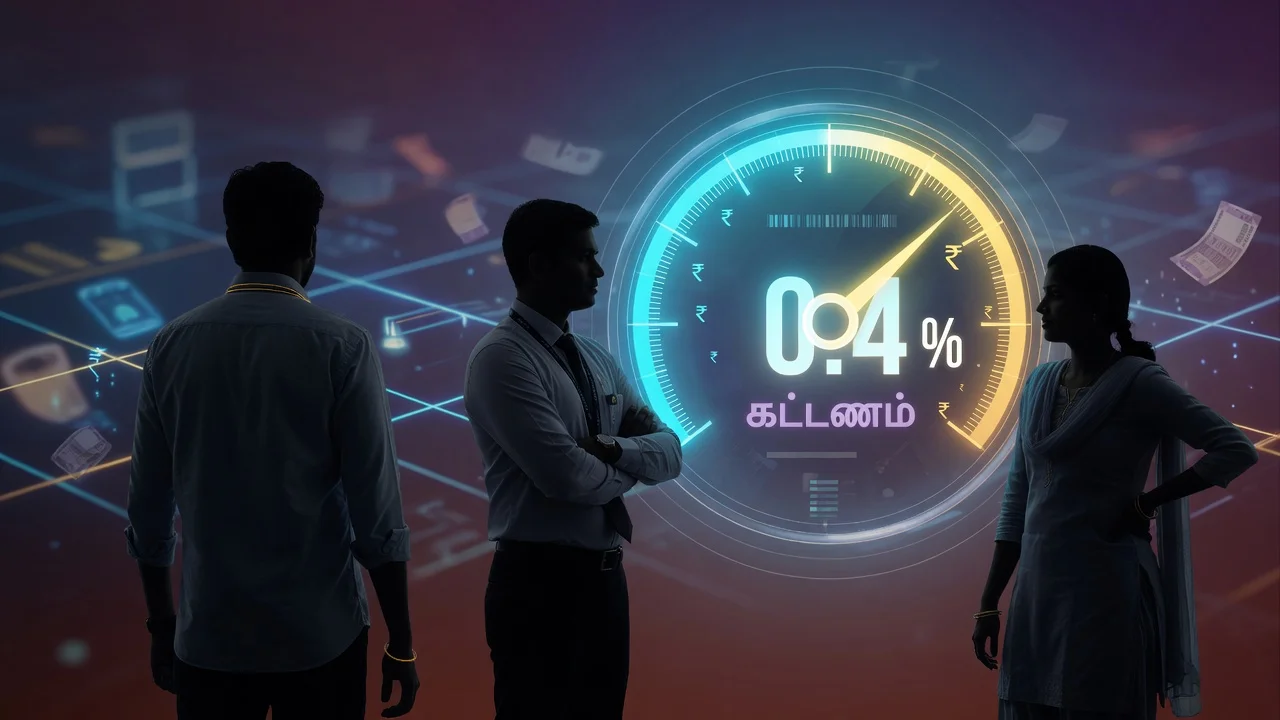
- A proposed 0.4% MDR on UPI has reopened the long fight over a zero-MDR regime.
- Payment firms are split: some back a fee for sustainability, others warn merchants and users will feel the pinch.
- MDR means the cut taken on a digital payment; on UPI it was largely free for merchants for years.
- If fees stick, small shops, online checkouts, and cashback-style offers are where you may notice change first.
- For now, keep using UPI as usual, but watch app and merchant fine print on large ticket payments.
What just happened?
You know that GPay or PhonePe scan at the tea stall? For years it felt almost magical: money moved, nobody at the counter seemed to pay a card-swipe tax, and UPI became India’s default.
That comfort is why a fresh 0.4% MDR idea on UPI hit a nerve. MDR, merchant discount rate, is the small percentage a business pays to accept digital money. UPI ran for a long stretch under a zero-MDR push. Cheap for shops. Huge for adoption. Painful for the companies building the rails.
So the old debate is back in 2026, louder than a festival sale notification. Who really pays so that your ₹50 chai payment stays smooth?
Industry voices are not singing the same tune. Pine Labs’ CEO has backed the idea of a new MDR, arguing the plumbing needs money to stay healthy. BharatPe’s co-founder has come out against it. Razorpay’s CEO has leaned consumer-first, basically: don’t break the thing people trust.
No big mystery why this sparks fire. UPI is not a niche fintech toy anymore. It is how salaries move to rent, how Flipkart checkouts close, how kiranas survive evenings without cash float.
How does this actually work?
Strip the jargon. When you pay by card, the shop often loses a cut. Banks, networks, apps — everyone in the chain takes a slice. That slice is MDR territory.
UPI flipped the psychology. Government policy and industry deals kept merchant MDR at zero for a wide set of UPI use cases. You tapped. Merchant got full amount. Apps fought for users with rewards instead of charging the counter.
Sounds perfect until you ask a boring question: servers, fraud checks, customer support, settlement, uptime during IPL finals — who funds that forever?
A 0.4% MDR means, on paper, a ₹1,000 payment could carry about ₹4 as a fee in the merchant’s world. On ₹100, roughly 40 paise. Small on one bill. Not small when a city does crores of scans a day.
That is the core tension. Zero MDR made UPI a public habit. Non-zero MDR is how many payment businesses say they can keep investing. Both sides have a point. Neither side wants to be the villain on your home screen.
Also clear this up: MDR is not automatically a “tax on your wallet” line item you always see. Sometimes the merchant absorbs it. Sometimes prices nudge up. Sometimes freebies and cashback shrink. The path from policy to your pocket is messy, not a single switch.
What changes for people in India?
If you only send money to family on UPI, your day-to-day may look the same for a while. Person-to-person habits are not the same fight as merchant payments.
Where you might feel it first is the shop side. A small salon, a medical store, a local electronics counter — thin margins. Even 0.4% stings when volume is high and customers still bargain in cash.
Online, checkout pages and “convenience” behaviour matter. Platforms already juggle gateway costs. A UPI fee conversation can change which method gets the discount badge, which one sits behind an extra step, which one still gets the “offers” tab.
Big chains can negotiate and absorb. Kirana reality is different. If a fee regime hardens, some counters push minimum UPI amounts, nudge cash for tiny bills, or quietly round prices. You have seen softer versions of this already when card MDR talk heats up.
For app users, the secondary hit is rewards. Zero-MDR years were also freebie years — scratch cards, cashback, movie tickets. When rails need revenue, marketing sugar often gets cut before anyone admits it in a press line.
And trust is the quiet stake. India taught a whole generation that scanning a QR is safer and simpler than counting notes at night. Any fee story that feels sudden can pull a slice of users back to cash for small stuff, even if the tech still works fine.
What should you do now?
Don’t panic-delete your UPI apps. That helps nobody, least of all you at a railway queue.
Do get sharper about the payment screen. On bigger buys — phones, appliances, travel — watch whether the merchant or site steers you to one method with a discount and another without. That steering is how fee math shows up in real life.
If you run a small shop, do the simple arithmetic now. 0.4% on your average daily UPI take. Compare that to cash handling time, fake-note risk, and how many customers refuse to carry change. For many stores UPI still wins; you just stop treating it as “free magic.”
If you build or sell online, track settlement notes from your payment provider instead of relying on WhatsApp rumours. Fee policy can differ by transaction type, MCC, ticket size, and whether it is P2P-like or real merchant collecting.
For everyone else: keep UPI PIN hygiene boring and strong, ignore forward messages that scream “UPI will charge you ₹X from midnight,” and wait for clear product updates inside GPay, PhonePe, Paytm, and bank apps. The debate is real. Midnight scare forwards usually are not.
UPI’s superpower was removing friction from Indian money. The MDR fight is about whether a little friction for merchants saves the system — or slowly taxes the habit that made India leapfrog cards. You do not need a white paper to feel that tension. You only need a QR sticker on a steel tumbler and a shopkeeper who now asks the same question the CEOs are arguing about: who pays?


Comments (0)
Be the first to comment!