‹ Back to Home

UPI's new pricing phase: Who really pays, and who walks away richer?

MDR is back on the table for select UPI transactions, and India's fintech loudmouths are not staying quiet. Banks want sustainability, apps want volume, merchants want free rails, and users want zero friction. Here is the plain-English split of who pays and who benefits in 2026.

Keerthika 8 min read
Follow on Google
Updated 1 week ago
Fintech UPI's new pricing phase: Who really pays, and who walks away richer? 8 min left Follow on Google
UPI's new pricing phase: Who really pays, and who walks away richer?

TamilTech AI summary

UPI is still India’s main digital payment rail, moving billions of transactions a month through PhonePe, Google Pay, Paytm and bank apps. A new pricing phase has brought Merchant Discount Rate (MDR) back on select merchant (P2M) transactions after years of near-zero fees, while person-to-person transfers largely stay free. Costs are shared across banks, payment apps and merchants—from kiranas to large checkouts—so there isn’t one simple villain, and industry voices have been debating who should fund the free-feeling experience. Everyday users usually won’t see MDR directly, but merchants may quietly pass costs through higher prices, minimum bills or “convenience” nudges. Keep an eye on which merchant categories attract MDR, ask your app about exemptions if you run a small shop, and stay alert for any new fee-style options as a regular user.

  • Select UPI merchant flows face MDR again after years of heavy waivers
  • P2P user transfers stay politically and product-wise protected
  • Banks, apps and merchants share the cost fight - users feel it indirectly
  • Kiranas need lighter treatment than large online and offline chains
  • 2026 is about funding UPI reliability without killing QR habit

AI-assisted summary, checked by the TamilTech editorial team.

0:00
0:00
🔒 Listen is for subscribers. Subscribe

Key Takeaways

  • UPI remains India's default digital rail, moving billions of payments a month across PhonePe, Google Pay, Paytm and bank apps.
  • A new pricing phase brings MDR back on select merchant transactions after years of near-zero charges for many P2M flows.
  • Cost pressure sits across banks, payment apps, large merchants and small kiranas - not on one neat villain.
  • Public debate has pulled in voices like Nithin Kamath, Sameer Nigam, Ashishkumar Chauhan and Ashneer Grover on who should fund the free-feeling experience.
  • For users, person-to-person transfers largely stay free; the real bill shows up in merchant margins, subscription plans and silent fee redesigns.

What just happened?

UPI's pricing dial moved after years of near-zero merchant fees. Some merchant-facing transactions now carry a Merchant Discount Rate again, while P2P stays free for now. The change is selective – not every QR scan will hit you.

How does this actually work?

Think of MDR as the fee a business pays for accepting a digital payment, just like cards always had. UPI ran on heavy waivers and a government-backed zero-MDR logic to push adoption. The new phase puts that waiver back on higher-value merchant flows where the business clearly benefits from instant settlement.

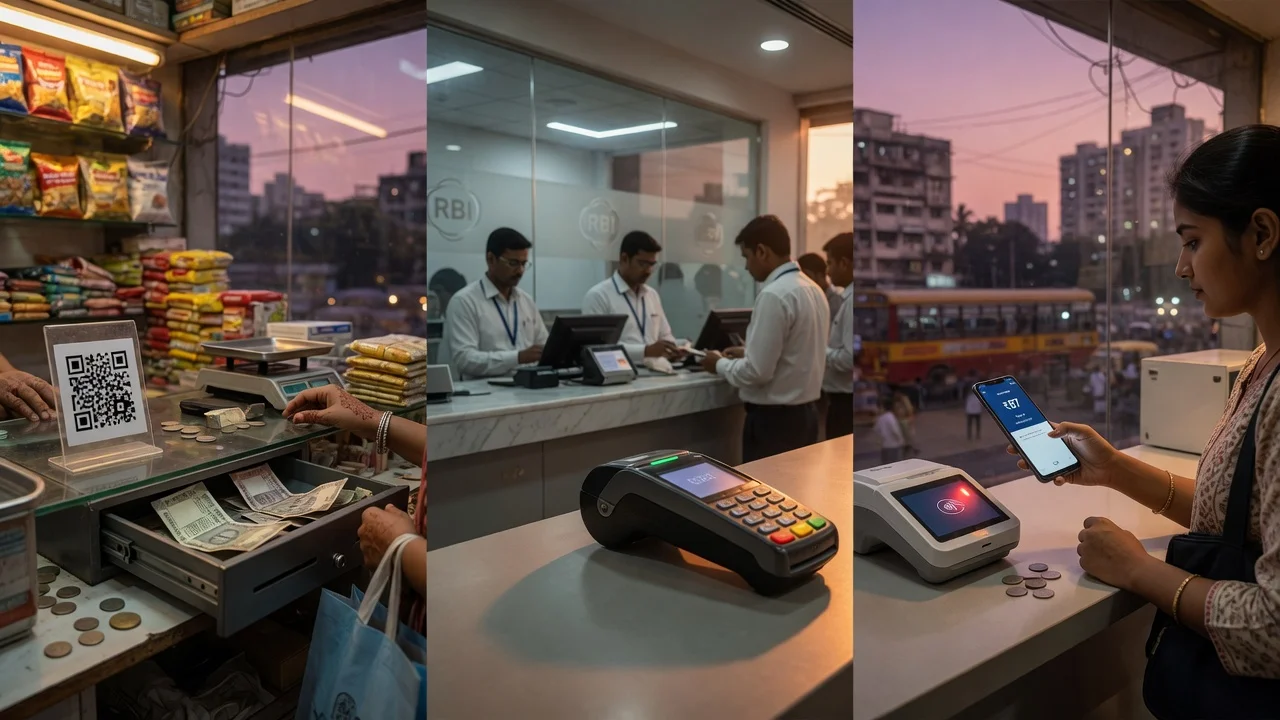
Issuing banks, acquiring banks, PSPs and the apps themselves share the cost. The apps fight for market share with cashbacks and mini-apps, while banks want compensation for liability, liquidity and rails. Merchants range from a single-phone kirana to Flipkart-scale checkouts, and the fee design must not choke the low-margin shopkeeper.

What changes for people in India?

Your friend-to-friend splits and family transfers will still feel free, subject to normal bank rules. The real impact lands on merchants, who may quietly pass the cost through pricing, minimum bills or "convenience" nudges. Users rarely see MDR directly, but they might notice a higher price tag on a street-food vendor's bill.

What should you do now?

Keep an eye on the merchant categories that attract MDR – the NPCI and banks will refine the list. If you run a small shop, ask your payment app about any exemptions or lighter-touch plans. For regular users, nothing changes today, but stay alert for any new "convenience" options that could add a hidden fee.
Get tomorrow’s tech news on WhatsApp

One short update a day, free. Follow the TamilTech channel.

What do you think?

people reacted

Keerthika

TamilTech editorial team · 3,344 articles

Keerthika is an editor at TamilTech, the Tamil and English technology publication founded by Praveen Kumar S. She covers AI, smartphones, gadgets, EVs, startups and cybersecurity i...

More from Keerthika

Ask TamilTech on WhatsApp

Tech doubt? Ask in Tamil or English — our WhatsApp assistant answers from TamilTech articles in seconds.

Related stories

Comments (0)

| Supports **bold**, *italic*, `code`

Be the first to comment!

Next story UPI Volume Jumps 27% to 145 Billion Transactions in H1 FY27 - What It Means for You
Tamiltech

Tamiltech

Install app for faster access

Earn XP 🏆
WhatsApp
Notifications