Key Takeaways#
- PhonePe and Razorpay executives confirm UPI will remain free for users indefinitely, rejecting any MDR implementation
- Industry leaders backing sustainable model despite rising transaction costs and infrastructure expenses
- UPI processed over 11 billion transactions in July 2026, averaging 12.5 lakh per minute
- Government considering minimal MDR for certain high-value transactions above ₹2,000
- India's digital payments ecosystem valued at ₹12.5 lakh crore, with UPI contributing 85% of digital transactions
What's the News#
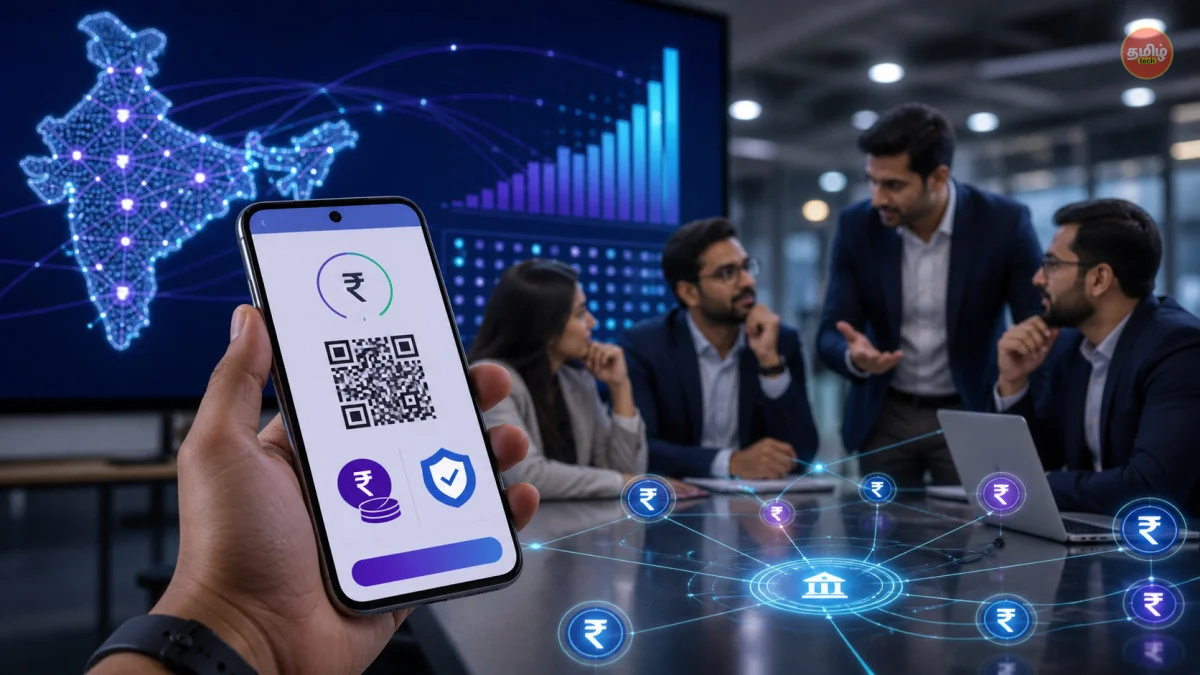
UPI's future just got clearer, folks! PhonePe and Razorpay bigwigs have thrown their weight behind keeping UPI completely free for users. No MDR, no charges - ever. This comes as a major relief for millions of Indians who've embraced UPI as their go-to payment method. The industry leaders are essentially telling the government and regulators: "Keep it free, we'll figure out the economics."
Details#
The PhonePe chief, during a recent industry summit, emphasized that charging users would be a "death knell for UPI's mass adoption." Razorpay's
CEO echoed similar sentiments, stating that the platform's success hinges on accessibility, not monetization. Both companies are reportedly working on alternative revenue streams - think value-added services, B2B solutions, and cross-selling opportunities.
The timing is crucial. With UPI processing over 11 billion transactions monthly and growing, the infrastructure costs are ballooning. Yet, the executives argue that the ecosystem's value goes beyond immediate revenue - it's about financial inclusion and digital empowerment for millions.
India Impact#
This isn't just about free transactions; it's about India's digital sovereignty. UPI has become a global case study in how a homegrown payment system can compete with the likes of Visa and Mastercard. Keeping it free ensures that the
digital divide narrows rather than widens. The government's
Digital India initiative has found its poster child in UPI, and maintaining the free model aligns perfectly with the vision of a digitally empowered Bharat.
The economic ripple effects are massive. Small merchants who previously couldn't afford POS machines now accept digital payments seamlessly. Street vendors, kirana stores, and local service providers have embraced UPI, contributing to the formalization of the economy.
Use Cases#
From paying auto-rickshaw fares to settling rent, UPI has infiltrated every corner of Indian life. The free model has enabled innovative use cases:
- QR code payments at every tea stall and vegetable vendor
- Instant peer-to-peer transfers between friends and family
- Bill payments, recharges, and ticket bookings
- Merchant payments for small businesses without additional costs
- Government schemes and subsidy disbursements
The versatility has made UPI indispensable, especially in tier-2 and tier-3 cities where traditional banking penetration was low.
Honest Take#
Here's the real talk: keeping UPI free forever is ambitious, maybe even reckless. The infrastructure costs aren't trivial - we're talking billions in annual expenses. But here's the thing: India's digital payments revolution isn't just another
business; it's nation-building at scale.
The PhonePe and Razorpay stance is bold, but it's also necessary. If UPI starts charging, the magic dies. The platform's strength lies in its ubiquity - everyone uses it because it's free. Alternative revenue models will emerge, but they must be carefully calibrated to avoid disrupting the ecosystem.
What's your take on this? Should UPI remain free, or is it time for a sustainable monetization model? Drop your thoughts in the comments below!




Comments (0)
Be the first to comment!