


Key Takeaways
- Zero Consumer MDR Confirmed: The Payments Council has definitively ruled out charging merchants any Merchant Discount Rate (MDR) for transactions made by consumers using UPI apps.
- Industry Giants in Agreement: Leading payment platforms PhonePe and Razorpay have publicly backed this decision, reinforcing the consensus against consumer MDR.
- UPI's Free Model Secured: This move protects the current 'free-to-use' nature of UPI for everyday consumers, ensuring no additional charges are passed down from merchants.
What's the news?
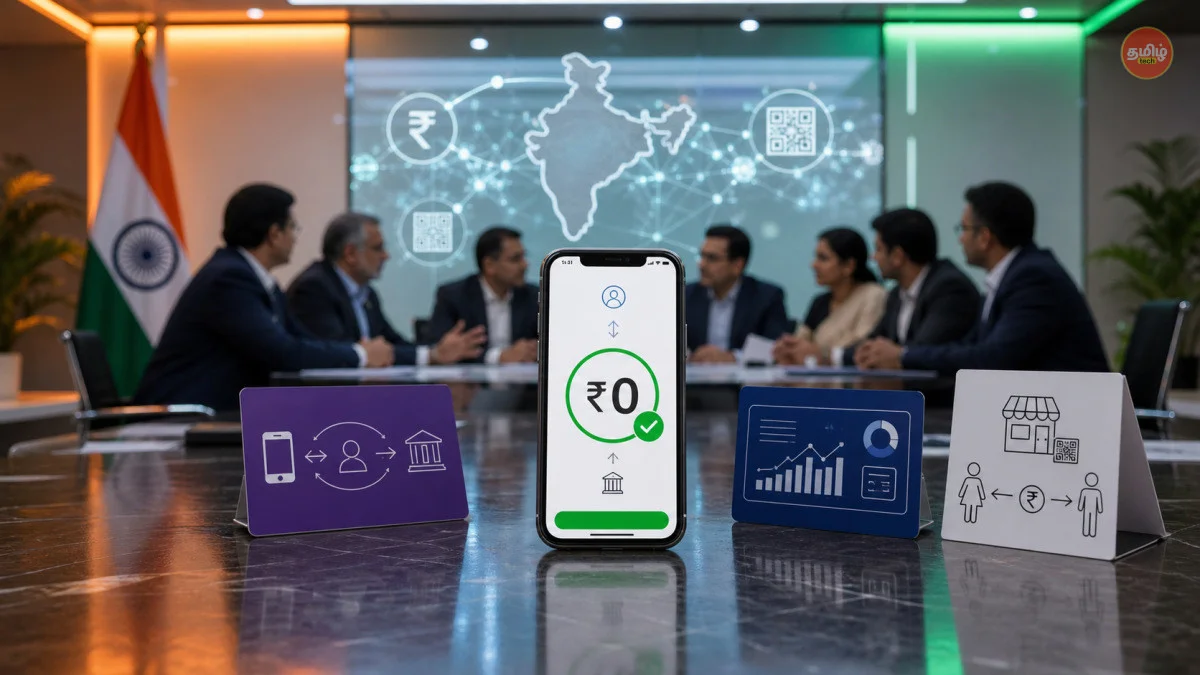
The Payments Council, a key industry body, has put an end to the speculation surrounding the potential introduction of a Merchant Discount Rate (MDR) on Unified Payments Interface (UPI) transactions. The council's official stance is a clear rejection of any MDR model that would impact consumers. This decision comes after extensive discussions with various stakeholders in the digital payments ecosystem.
Details
The core of this news lies in the council's official declaration. The Payments Council, which includes representatives from banks, fintech companies, and other payment service providers, has concluded that implementing MDR on consumer-facing UPI transactions is not a viable path forward. The reasoning is based on the principle that UPI was designed as a public good to drive digital inclusion, and introducing a charge for consumers would defeat its primary purpose.
Major players in the space have been unequivocal in their support. PhonePe, one of India's largest UPI apps, and Razorpay, a leading payments gateway, have both come out in favour of maintaining the zero MDR policy for consumers. Their backing is crucial as it reflects the industry's commitment to keeping the user experience seamless and cost-free for the millions of Indians who rely on UPI daily.
India impact
This decision has significant implications for the Indian digital economy. First and foremost, it safeguards the interests of millions of small and medium-sized merchants who use UPI. By preventing the cost of MDR from being passed on to consumers, the move ensures that UPI remains an affordable and accessible payment method for everyone, from a street vendor to a large retail chain.
The stability in the UPI ecosystem is vital for India's broader financial goals. The government has been pushing for a less-cash society, and UPI has been the primary vehicle for this transformation. Any disruption or cost increase could have dampened its adoption. This ruling provides the certainty needed for continued growth and innovation in the fintech sector.
Use cases
For the average Indian, this means business as usual. The way you pay for your morning chai, shop on Flipkart, or pay bills using UPI will not change. The transactions will continue to be instant and free for the end consumer. Merchants might see slight variations in their transaction fees depending on their bank and acquiring bank, but the cost will not be transferred to the customer, preserving the 'free UPI' experience that has become so popular.
Honest take
While this is a win for consumers and merchants, the underlying challenge of merchant sustainability remains. The Payments Council's decision is a pragmatic one, acknowledging that the ecosystem's health depends on keeping the consumer experience frictionless. However, it doesn't fully solve the profitability puzzle for payment apps and banks, which bear the cost of transaction processing. The long-term solution likely lies in a more diversified revenue model for these players, rather than a simplistic MDR approach. For now, though, the focus remains on growth and adoption, and this decision keeps the pedal to the metal on UPI's incredible journey.


Comments (0)
Be the first to comment!