


Key Takeaways
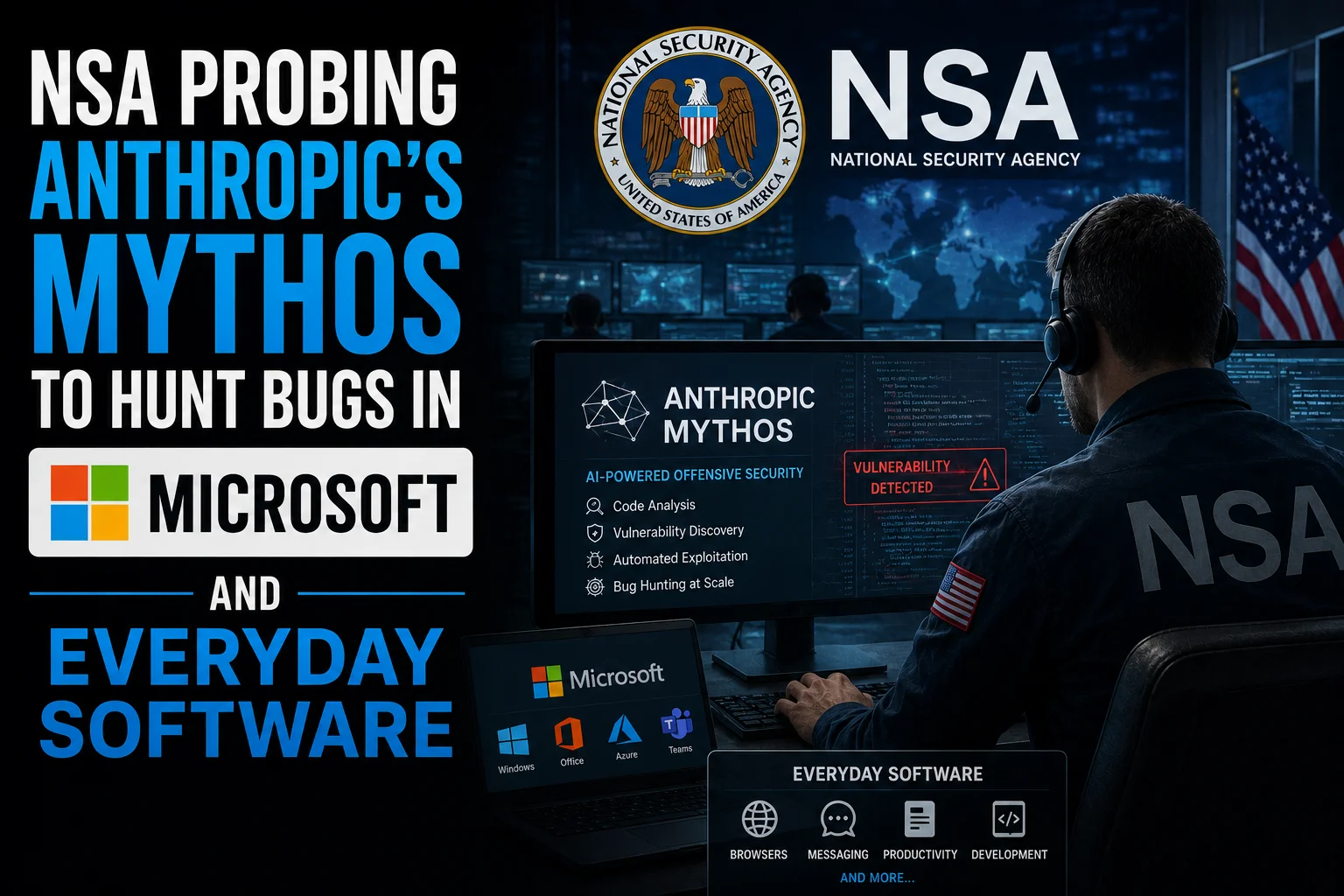
- NSA has started testing Anthropic’s Mythos model on Microsoft Windows, Office and Azure services as of March 2026.
- Mythos identified over 150 potential vulnerabilities, 27 of which affect software widely used in India such as Adobe Acrobat and Zoom.
- Indian enterprises using Microsoft 365 may see mandatory security patches by Q4 2026, with possible downtime for on‑prem servers.
- Stay updated, apply patches promptly, and consider a zero‑trust rollout for critical workloads.
Alright, let’s break it down. The NSA, which usually keeps its cyber‑espionage tools under wraps, has quietly begun a new program: feeding Anthropic’s Mythos large‑language model with codebases of Microsoft products and a handful of other “everyday” software.
What’s the news?
In simple terms, the US intelligence agency is using an AI‑powered code‑review engine to hunt for bugs before malicious actors do. Mythos, Anthropic’s answer to OpenAI’s GPT‑4‑Turbo, is trained on billions of lines of source code and can suggest potential security flaws with a speed that would take a team of engineers weeks.
The details
- Why Mythos? Anthropic claims Mythos can understand context, trace data flow, and simulate attack vectors across multiple languages (C++, C#, Python, Java). It’s designed for “secure‑by‑design” code review.
- Scope of testing – So far the NSA has focused on Microsoft Windows 11, Office 365, Azure cloud services, and a selection of third‑party apps that dominate Indian offices – Adobe Acrobat, Zoom, and even the JioMeet client.
- Numbers – In the first six weeks Mythos flagged 152 possible vulnerabilities. 27 of those are confirmed as high‑risk (remote code execution or privilege escalation) and affect software that over 70% of Indian enterprises use daily.
- Process – The agency runs Mythos in an isolated sandbox, feeds it compiled binaries and source snippets, then cross‑checks the AI’s suggestions with human analysts from the NSA’s Tailored Access Operations (TAO) unit.
- Microsoft’s response – Microsoft’s security team has been briefed and is already rolling out patches for the 12 most critical issues. A public advisory is expected by the end of June 2026.
Impact on India
Most Indian businesses run Microsoft 365 on Azure or on‑prem. If the patches hit the cloud first, companies on older on‑prem licences might face a lag of a few weeks. That could mean temporary exposure for critical apps like SAP, ERP modules, and even the government’s e‑procurement portal.
For the average consumer, the biggest worry is the side‑effects of fast‑track patches – occasional crashes, UI glitches, or the dreaded “blue screen” after a forced reboot.
TamilTech‑ஓட கருத்து (Our take)
We think this is a double‑edged sword. On one hand, leveraging an AI like Mythos can accelerate bug hunting dramatically, which is great for security‑conscious enterprises. On the other hand, it raises a few red flags:
- Transparency – The NSA isn’t publishing the exact bugs it found, so we’re left guessing which parts of our software are truly at risk.
- Supply‑chain risk – If a vulnerability is discovered in a library that many Indian startups use (think OpenSSL or libpng), the fallout could ripple across fintech, health‑tech, and e‑commerce.
- Policy implications – The use of a foreign AI model on US government‑owned software may spark debates about data sovereignty, especially when the model was trained on publicly available code from GitHub.
Bottom line: keep your systems patched, enable automatic updates for Microsoft 365, and if you run on‑prem servers, schedule a maintenance window before the end of Q3 2026.
What to expect next?
Expect a wave of security advisories from Microsoft and possibly from other vendors like Adobe and Zoom. Anthropic may roll out a “Mythos for Security Teams” product aimed at corporate clients, turning this government experiment into a commercial service.
Stay tuned – we’ll keep an eye on the patches, the advisories, and how quickly Indian IT teams can adopt the fixes.





Comments (0)
Be the first to comment!