


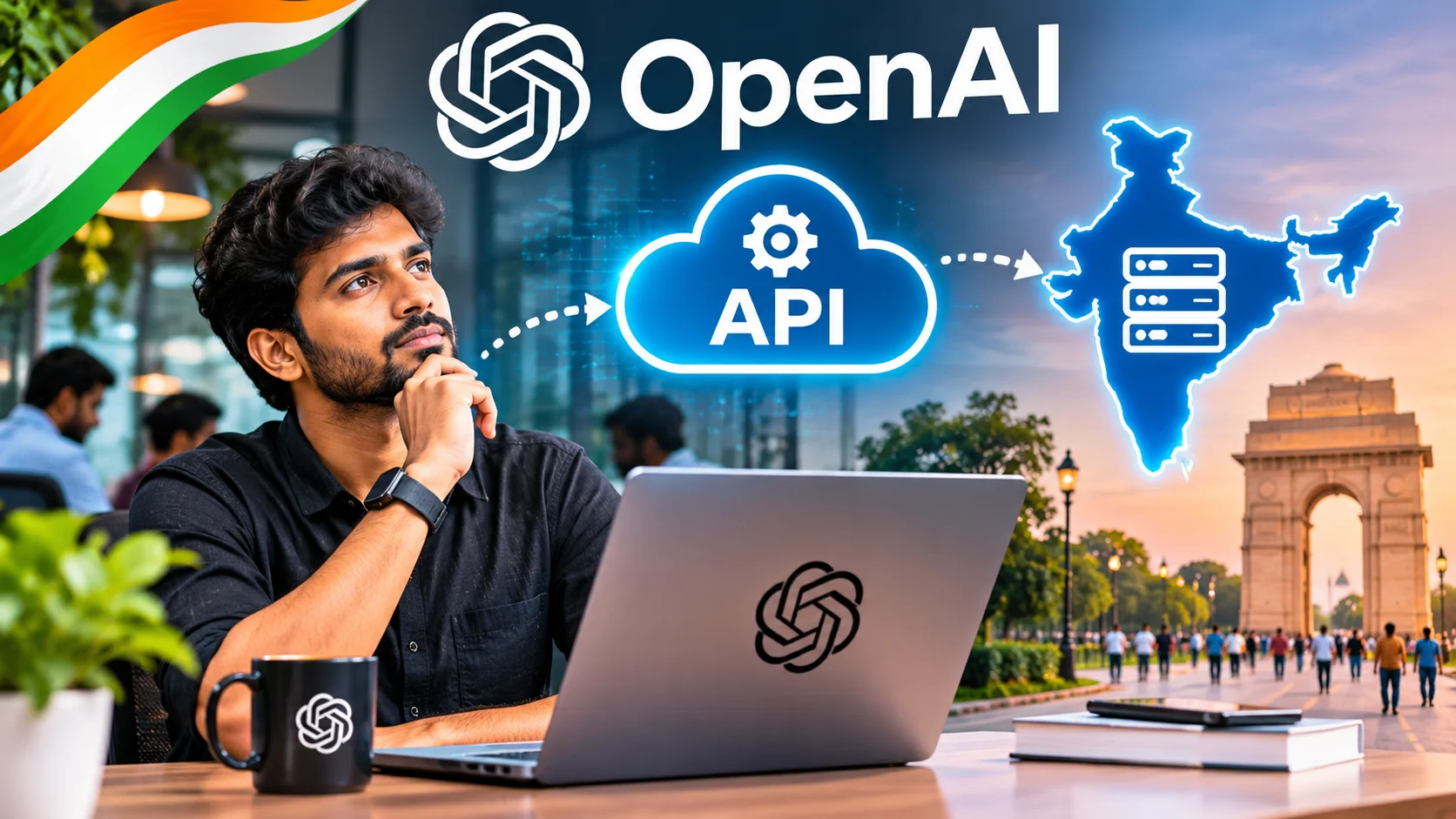
Yes, you should care if your bank, SaaS product, or vendor sends Indian personal data through OpenAI APIs—this is a residency switch for enterprise inference in India, not a consumer ChatGPT feature. This article covers what local inference actually means, why CISOs and counsel wanted it, how it differs from training, the DPDP-era questions to put in the contract, and why you should not brief a board off a headline.
- Media reports say OpenAI has introduced local inference and data processing for its APIs in India.
- That is a residency switch for enterprise API calls, not a new ChatGPT personality on your Phone.
- The people who asked for this are counsel, CISOs, banks, and vendors handling personal data.
- Residency is about where the model run happens. It is not automatic privacy, and it is not a free consumer toggle.
- Do not brief a board off a headline. Check OpenAI's API docs and data processing terms, then put India in the contract.
Picture a fintech office in Bengaluru at 6 pm. The support-bot demo went well. Then someone from compliance asks, very calmly, which country sees a customer's UPI complaint the moment it is typed.
The room goes quiet. That silence has been OpenAI's real rival in India. Not a cheaper model. Not a prettier chatbot. The data-leaving-the-country problem.
What just happened?
Indian tech media, including Inc42, report that OpenAI has introduced local inference and data processing for its APIs in India. The pitch is blunt. Companies that call OpenAI models through the API can keep that inference run tied to India.
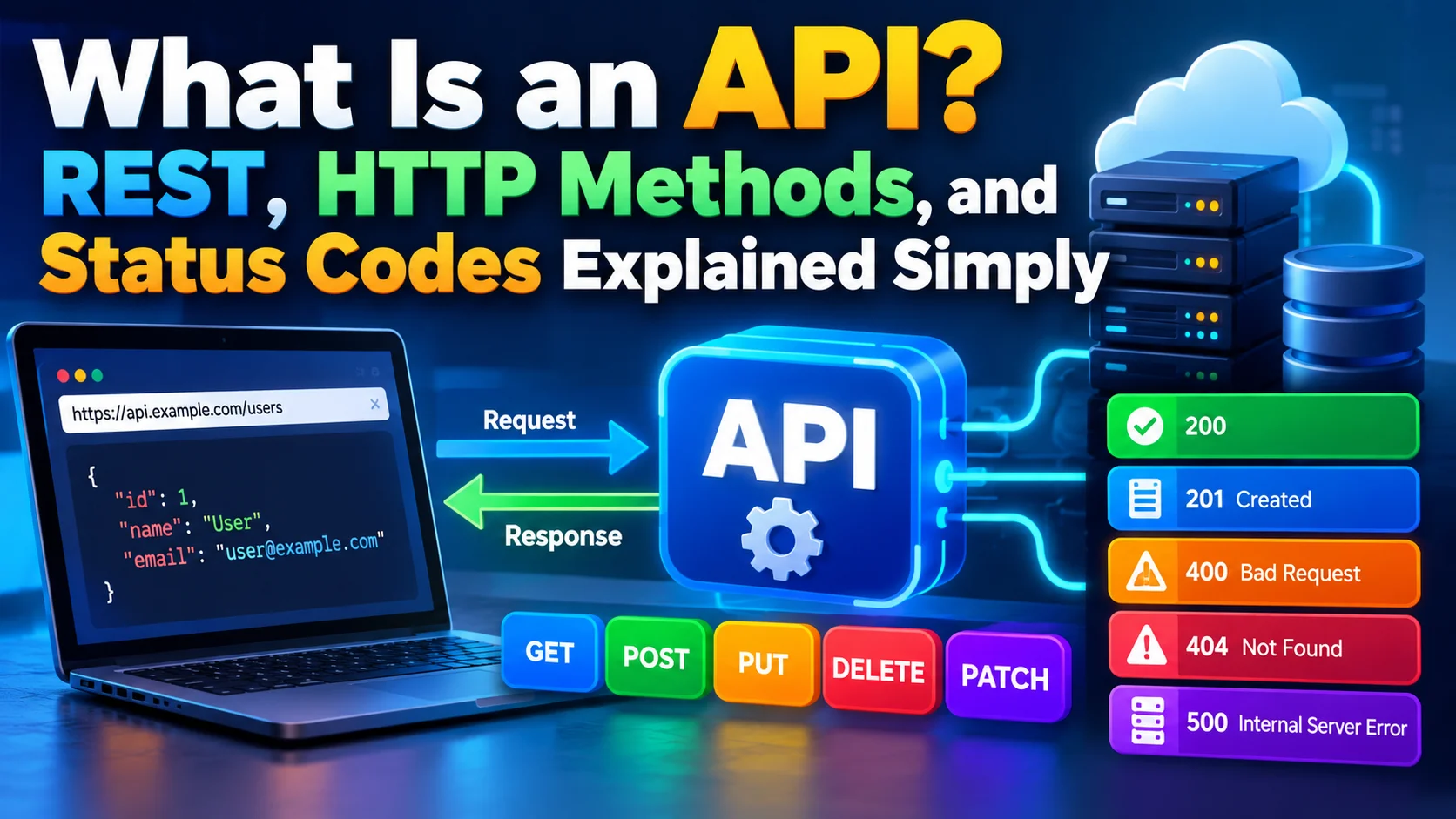
ChatGPT is the famous face. The API is how banks, retailers, and SaaS tools actually wire AI into a product. India has no shortage of builders. It also has no shortage of lawyers.
So this is not a new chatbot voice. It is a residency switch. Unsexy. Necessary.
I have not seen a public filing with revenue stuck to this move, and I will not invent one. Treat it as a product-policy change, reported in the press, aimed at firms that cannot send personal data on a world tour.
Keep the year honest too. We are in 2026. Data protection in India is no longer a someday slide in a pitch deck. The Digital Personal Data Protection Act is how serious buyers already talk. Sector rules still sit on top for banks and other regulated shops.
OpenAI has been pushing enterprises for a while. India was always going to ask the same follow-up: fine, the model is clever, but where does the sentence go?
How does this actually work?
First, the word. Inference. That is the model answering you. You send a prompt. The model computes. You get a completion. Residency means that compute, and the data handling around it, is supposed to stay in a chosen geography. Here, that geography is India.
Training is a different movie. Giant models are usually trained on huge clusters that are not sitting in every country. Nobody serious is claiming India just trained a flagship model from scratch in a Mumbai basement. Do not mix those two stories in a board note.
Think of a cloud kitchen. The recipe, meaning the trained model, may have been written elsewhere. The kitchen that cooks tonight's order is meant to be in India. Your customer's message should not need a stamp in another country just to get a reply.
How the pipes actually run is where you slow down. OpenAI has long worked with big cloud partners, and India already has major cloud regions. Residency features usually pin processing to a region and limit where that workload's data sits at rest. I am not going to pretend I have a rack diagram. OpenAI's own API documentation and data processing terms are the source of truth, not a news headline.
Three questions every CISO will ask, and should.
One: is this only the live model run, or are logs, prompts, embeddings, and fine-tunes stored in India too?
Two: who are the sub-processors? If a parent company still has admin access from another country, does your counsel still sleep?
Three: what happens when you switch on file uploads, tools, or extra features that call other services?
If those answers are fuzzy, the India badge is a sticker, not a control.
Latency is the other practical bit. If the model run is closer to Indian users, replies can feel snappier. I will not quote fake milliseconds. Geography helps. Congestion and model size still matter. Do not sell instant to your CEO.
Cost? In the material we are working from, there is no special public INR price card for this residency flag. Do not budget off a rumour. Check the API pricing page. Check whether India residency is a setting, a separate endpoint, or an enterprise contract line.
One more distinction people blur. Data localisation is not the same as privacy. A server in India can still be sloppy. A prompt can still leak through a screenshot on WhatsApp. Residency is about where the bytes sit. It is not a promise that your vendor is wise.
What changes for people in India?
If you open ChatGPT on your Phone to rewrite a college email, your evening does not flip. Consumer ChatGPT and the developer API are cousins. This story is about API inference residency for organisations.
Here's the bit Indian product teams will feel first. Permission. Last year's answer was often: use a local model, even if it is dumber. Now a team can walk back to counsel with a residency option from the model they actually wanted. Counsel may still say no. That is their job. At least the conversation is not a dead end on day one.
Think of the workloads that usually die in legal review. A Flipkart-scale retailer wanting a Tamil and Hindi return-policy bot. A UPI app that wants to summarise a messy complaint without shipping the chat across an ocean. A hospital chain drafting letters, still careful, still regulated. An IRCTC-scale booking flow that wants a helper without creating a fresh residency headache.
None of those names have been announced as customers of this specific India feature in the notes we have. I am using them as the kind of Indian job that gets stuck. Do not read that as a partnership rumour.
For startups selling into banks, this is ammunition. Indian enterprise deals stall on three slides: security, data location, and who to sue. A residency option does not finish the security slide. It unsticks the second one.
For employees inside those companies, the change is quieter. Fewer shadow-IT ChatGPT tabs. More official API use, if the vendor paperwork holds. That is boring. Boring is how production AI actually ships.
For the rest of us, the downstream effect is slow. Slightly better in-app helpers in Indian products, if vendors pass the legal gate. Not a magic Tamil orator in every App tomorrow.
I am not your lawyer. DPDP is about lawful processing, purpose, and how you treat personal data. A sticker that says India on a server rack does not finish that file. Residency can help you argue that a cross-border transfer risk is lower. It does not replace consent, minimisation, or a human in the loop where money or health is involved.
What should you do now?
If you are just a ChatGPT user, breathe. No panic Update. No new Login ritual. You do not need to hunt a region toggle tonight because a headline used the word India.
If you build on the API, open the actual docs. Look for region or residency settings. Read the data processing addendum. Ask support, in writing, what is stored where, for how long, and who can see prompts. Save the reply. Auditors love PDFs more than they love vibes.
If you buy AI for a company, put residency in the contract. Name India. Name the product. Name what happens if the vendor later moves processing. We saw it in the news will not help you in 2028 when someone does a vendor review.
If you run a small shop on a shared ChatGPT Team plan, do not assume you got enterprise residency for free. These controls usually sit on API or enterprise agreements. Check your plan. If you handle customer personal data, that check is not optional.
And if you were about to dump raw UPI chats into a model just to try, stop. Residency does not bless bad hygiene. Collect less. Mask more. Keep a person in the loop when a wrong answer can move money.
That is the whole plot. OpenAI is trying to make Indian enterprises less afraid of its API. The fear was never only that the model is American. The fear was that the data takes a flight. This feature tries to cancel that flight. Whether it actually does, for your company, lives in the paperwork, not in the press line.



Comments (0)
Be the first to comment!