


Key Takeaways
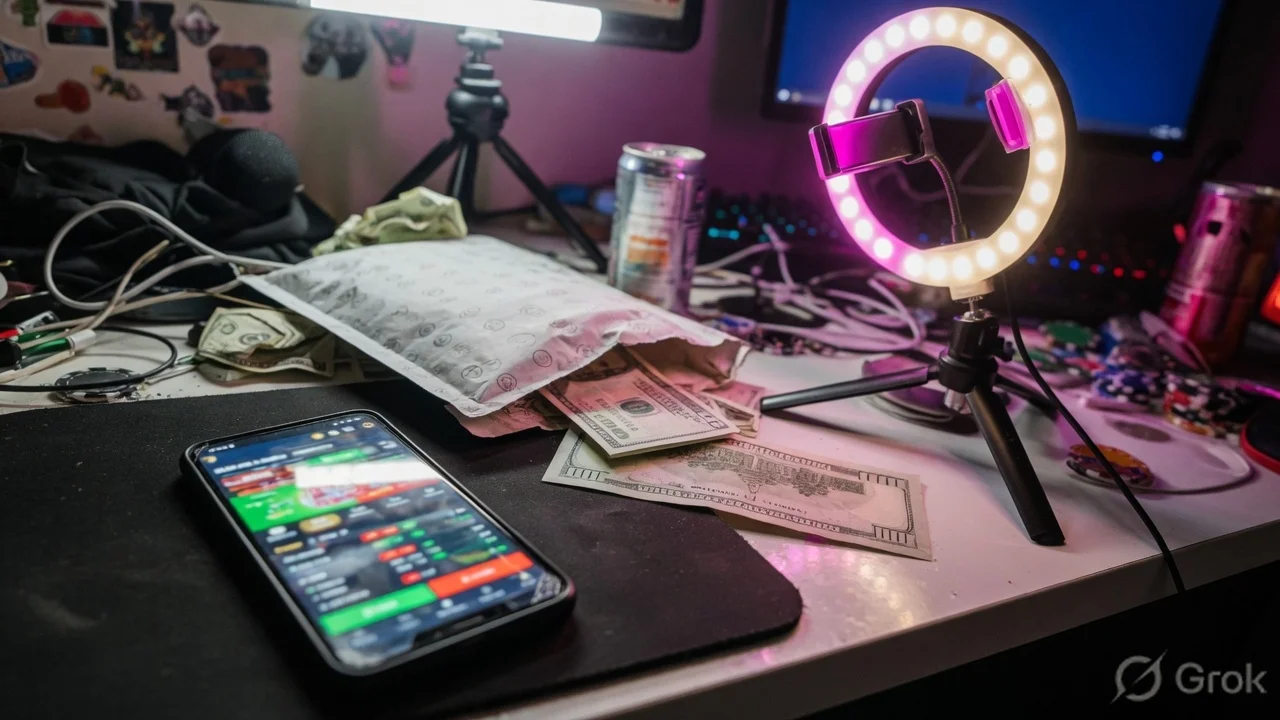
- Polymarket is reportedly paying social media creators to produce deceptive videos showing massive betting wins to lure new users.
- The platform is officially banned for US residents following a 2022 CFTC settlement, yet these marketing campaigns specifically target US audiences.
- Creators are being coached to use VPNs and hide the 'sponsored' nature of their content, which violates basic advertising transparency rules.
- In India, similar offshore betting and crypto platforms are under heavy scrutiny by the MIB and tax authorities like the GST council.
- Users should be extremely cautious of 'get rich quick' crypto betting clips on Instagram and TikTok that don't disclose financial risks.
The Dark Side of Crypto Prediction Markets
In the tech world of 2026, prediction markets like Polymarket have become the new digital casino. While they claim to be 'decentralized' and 'transparent,' our latest investigation reveals a much darker reality under the hood. For those who aren't aware, Polymarket is a platform where you can bet on anything—from election results to the weather—using cryptocurrency. However, there is a massive catch: they are legally banned from operating in the United States. But that hasn't stopped them. Instead of following the law, they’ve turned to a secret army of social media influencers to do their dirty work.
We have been tracking a surge in short-form videos on platforms like TikTok and Instagram Reels where creators show off 'insane gains' from Polymarket. At first glance, it looks like a lucky user sharing their success. But our deep dive shows that many of these creators are being paid behind the scenes. They aren't just betting; they are being incentivized to create a narrative that winning is easy and accessible to everyone, even those living in countries where the platform is strictly illegal. This isn't just aggressive marketing; it's a calculated attempt to bypass international financial regulations using the influence of popular content creators.
How the Deception Works: The Influencer Playbook
So, how exactly does this play out? The strategy is simple but effective. Polymarket, or agencies working on its behalf, reaches out to mid-tier influencers who have high engagement with Gen-Z and millennial audiences. These creators are given a script or a set of 'talking points' that emphasize the thrill of the win. We've seen evidence of creators being encouraged to use VPNs (Virtual Private Networks) to access the site during their screen recordings, effectively teaching their audience how to break the law and bypass geo-blocks. This is a massive red flag for any legitimate financial platform.
The most alarming part is the lack of transparency. Most of these videos do not carry the mandatory '#ad' or 'Paid Partnership' labels required by the FTC and other global advertising standards. By making the content look like an organic 'success story,' they build a false sense of trust. When a young viewer sees their favorite tech or lifestyle influencer making $5,000 in a single afternoon by 'predicting' a sports result, they don't see the thousands of dollars lost by others, or the fact that the influencer might be playing with 'house money' provided by the platform itself. This is deceptive marketing at its worst, designed to exploit the FOMO (Fear Of Missing Out) that drives the crypto market in 2026.
The US Ban and Why It Matters
To understand why this is such a big deal, we have to look back at Polymarket's history. Back in 2022, they were hit with a $1.4 million fine by the Commodity Futures Trading Commission (CFTC) for operating an unregistered platform. As part of that settlement, they were ordered to wind down services in the US. In 2026, those restrictions are still very much in place. Prediction markets are highly regulated because they are essentially a form of gambling mixed with financial derivatives. Without proper oversight, there is no guarantee that the 'odds' are fair or that the platform won't simply disappear with your money.
By targeting US users through creators, Polymarket is playing a dangerous game of cat and mouse with regulators. They argue that because the platform is 'on-chain' and decentralized, they aren't responsible for who accesses it. But when you are actively cutting checks to influencers to tell their US-based followers how to log in via a VPN, that 'decentralized' excuse falls apart. It shows a blatant disregard for consumer protection laws. If a platform is willing to lie about its marketing, can you really trust them with your crypto wallet? That’s the question every user needs to ask before they hit that 'place bet' button.
The India Connection: Betting Apps and the 28% GST Factor
While this investigation focuses on Polymarket's global tactics, the situation in India is strikingly similar. We have seen a massive crackdown by the Indian government on offshore betting sites like 1xBet and others that use surrogate advertising. In India, the Ministry of Information and Broadcasting (MIB) has issued multiple warnings to influencers against promoting betting platforms. Furthermore, the 28% GST on the full face value of bets in online gaming has made legal platforms more expensive, which unfortunately drives some users toward 'unregulated' crypto platforms like Polymarket.
For Indian users, the risks are even higher. If you lose money on an offshore crypto betting site, there is zero legal recourse. You can't go to the police, and the RBI doesn't recognize these transactions. We've seen cases where users' bank accounts were frozen just for interacting with crypto exchanges linked to these betting sites. The 'easy money' promised in these influencer videos doesn't mention the potential for a knock on the door from the tax department or the permanent loss of your digital assets due to a platform 'glitch' that you can't contest in any Indian court.
TamilTech's Verdict: Don't Fall for the 'Easy Money' Trap
Look, we love new tech and we’ve been following the crypto space for years, but this is where we draw the line. Prediction markets have the potential to be useful tools for sentiment analysis, but when they turn into deceptive gambling dens, it’s a problem. Our honest take? If you see an influencer posting a video about how they made a 'quick buck' on a crypto betting site without a clear 'Paid Partnership' tag, treat it as a scam. The house always wins, and in the world of unregulated crypto betting, the 'house' isn't even playing by the rules of the country it operates in.
What should you do? First, stop following creators who push these 'get rich quick' schemes without transparency. Second, if you are interested in crypto, stick to regulated exchanges and avoid the 'betting' side of the ecosystem unless you are prepared to lose every single rupee you put in. The 2026 crypto market is volatile enough without adding the risk of a platform that is actively trying to dodge the law. Stay smart, keep your private keys safe, and don't let a 30-second Reel dictate your financial future. We’ll keep tracking these platforms and let you know the moment we see more shady tactics like this.



Comments (0)
Be the first to comment!