


Key takeaways
- Meta could lose its Indian intermediary status, exposing it to direct legal liability for content on Facebook, Instagram, and WhatsApp.
- The pressure comes from intensified CSAM (Child Sexual Abuse Material) scrutiny and court rulings on platform accountability.
- Section 79 safe harbour is conditional — fail due diligence, and the shield weakens.
- WhatsApp’s end-to-end encryption makes classic server-side scanning hard, so privacy vs safety tension is real.
- Indian users may see faster takedowns, tighter verification, and stricter enforcement if rules tighten.
You open Instagram, scroll a reel, forward a WhatsApp joke to the family group. Normal Tuesday.
Behind those apps, though, a legal fight is heating up that could change how Meta runs Facebook, Instagram, and WhatsApp in India.
What just happened?
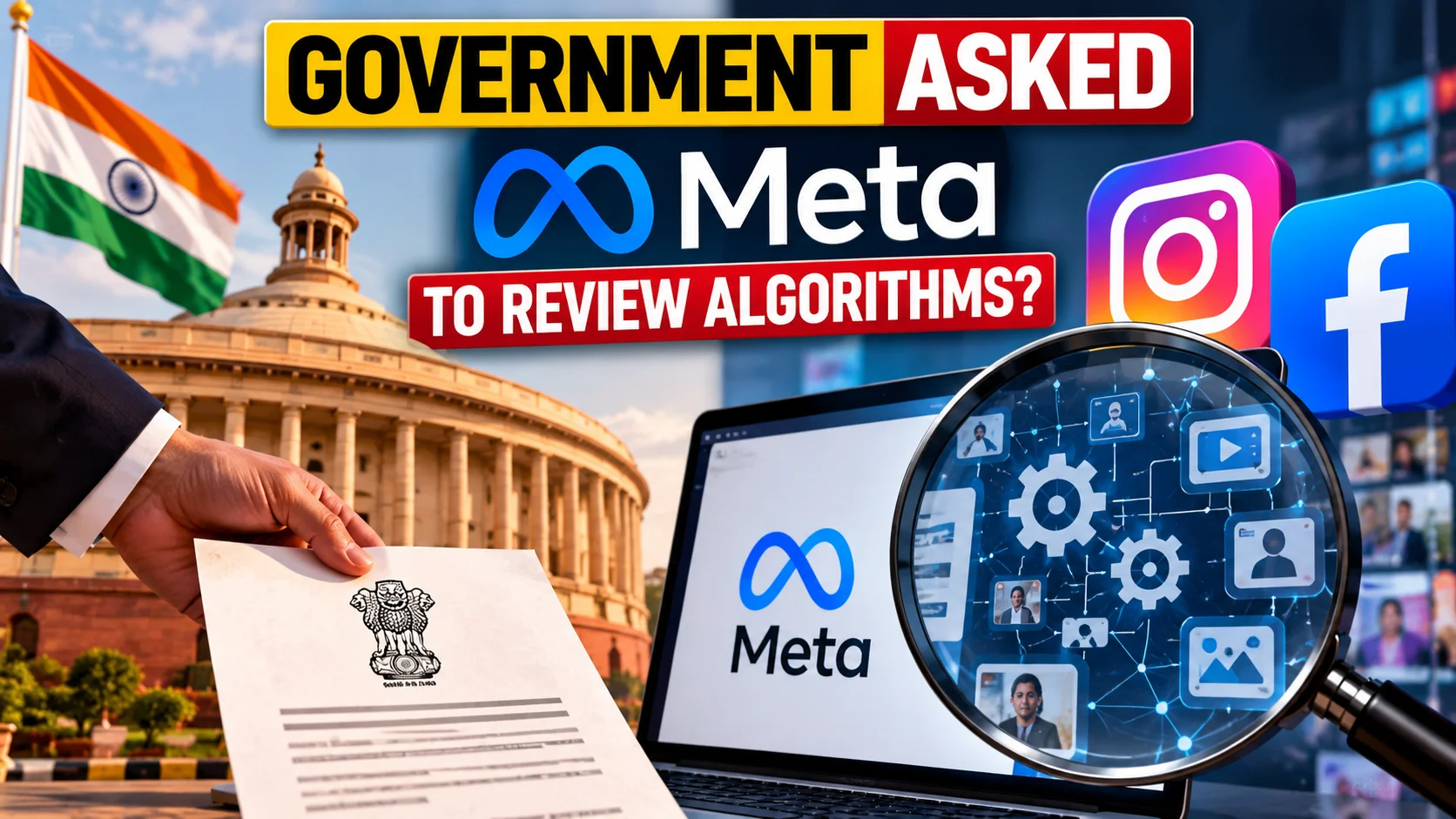
A September 2026 report from Inc42 says Meta may no longer enjoy the intermediary status that currently keeps it from being treated like a publisher of user posts in India.
That status sits under Section 79 of the IT Act. In plain words: if the platform follows due diligence and grievance rules, it gets a safe harbour. User content is not automatically the company’s speech.
The push comes amid heavier CSAM scrutiny. CSAM means Child Sexual Abuse Material — illegal content involving children. Indian regulators want faster detection, removal, and cooperation. Recent court rulings have also said platforms cannot hide behind the intermediary label when they fail to act on known violations.
India has more than 450 million internet users. Meta cannot shrug this market off. Any status change would force a serious rethink of moderation systems.
How does this actually work?
Intermediary status is a legal shield, not a free pass. Platforms must keep clear rules, a working grievance system, act fast on illegal content notices, and help with lawful investigations.
If those conditions break — or if the status itself is challenged — the “we are just a pipe” defence gets weaker. A post, reel, forward, or group message can drag the company into direct liability talk.
CSAM is not a soft community-guidelines issue. It is criminal material. Missing it (false negatives) carries a heavy cost. Automated tools can also flag the wrong thing (false positives), so human review and rapid escalation still matter.
WhatsApp adds a hard technical knot. End-to-end encryption means Meta cannot casually read message text on its servers the way a classic feed moderator would. That protects private chats. It also makes “just scan everything on the server” unrealistic.
So the fight sits between two lines: child safety needs faster spotting of illegal material; breaking private-chat encryption at scale raises mass privacy risk. Client-side scanning, hash matching, user reports, and behaviour signals are all part of that messy middle.
The Inc42 report does not name one single case. It points to ongoing talks with the Ministry of Electronics and Information Technology that could bring tighter compliance guidelines. Lose the status, and Meta may face higher legal exposure, bigger moderation bills, more data-sharing pressure, and possible local data-storage demands. Advertisers get nervous if a platform looks less safe — and that hits the ad model.
What changes for people in India?
Day to day, you might notice content vanishing faster, more warnings, or extra verification before you post. Influencers on Instagram will need cleaner habits; account suspension risk goes up under stricter moderation.
Small businesses on Facebook Shops or Instagram storefronts could face slower onboarding or extra compliance checks. Some merchants may try other channels. Local players and regional apps could pick up that spillover. Jio’s own social and payment push sits in the same competitive frame — if Meta feels heavier, Indian-first apps get a window.
Forward culture matters here. Cheap data and family WhatsApp groups mean a harmful file can jump across devices in minutes. So detection, reporting, and evidence preservation for police work have to move together — not one after the other.
Whatever lands will be watched by Google, X, TikTok and others. India often becomes the template other countries study when they rewrite platform rules.
What should you do now?
Do not panic-delete your apps. Nothing in the report says Facebook, Instagram, or WhatsApp shut tomorrow.
Do treat illegal content seriously. Do not forward anything that looks like CSAM or other criminal material — that risk was always high, and enforcement talk is louder now.
Use in-app report buttons when you see harmful posts. Keep your own account hygiene clean if you run a page or shop. Watch official Meta and MeitY updates rather than random forwards about “ban tonight.”
If you build on Meta’s APIs or ads, budget for tighter review cycles and keep backup channels ready. For everyone else: scroll as usual, share less junk, and assume takedown speed will only get stricter from here.




Comments (0)
Be the first to comment!